The case for rolled lead sheet
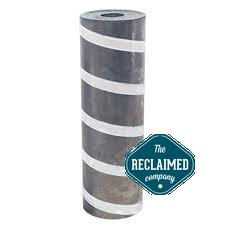
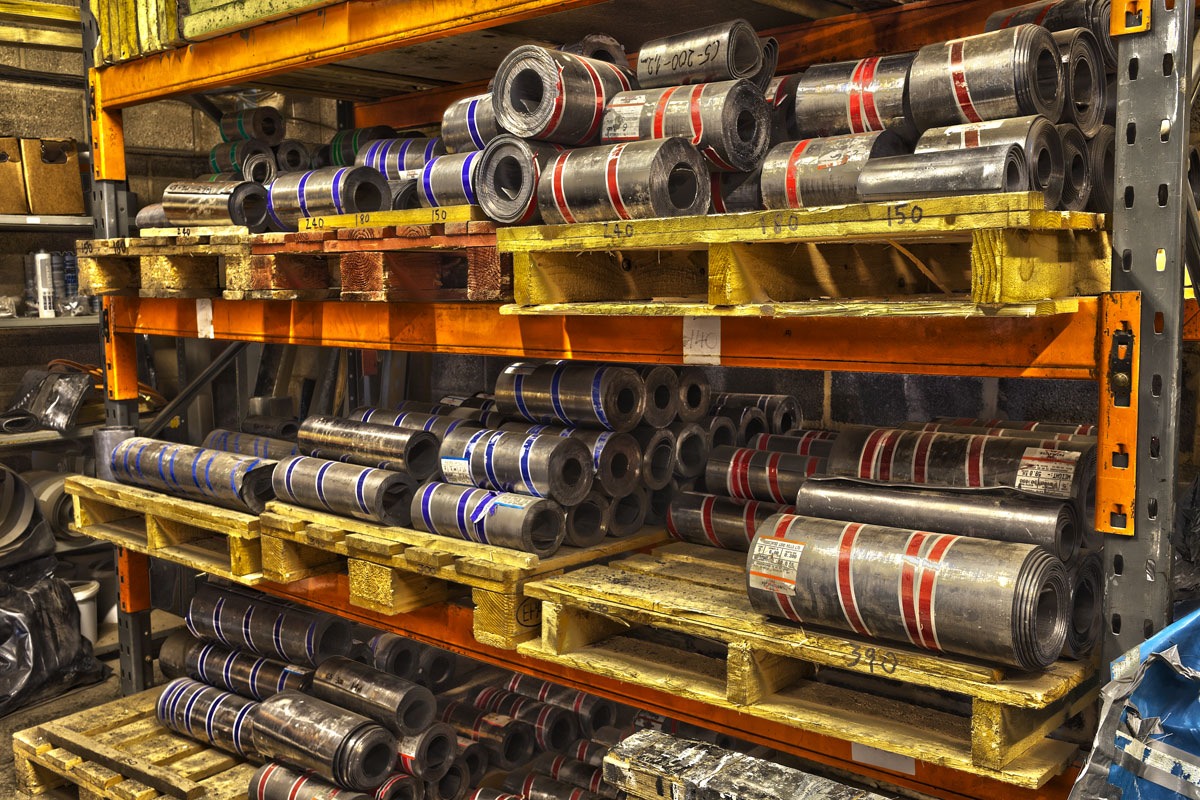
Rolled (milled) lead remains one of the most durable and adaptable roofing materials available. When manufactured to the correct standard and detailed correctly, it delivers long service life, reliable performance and excellent workability across modern and heritage projects.
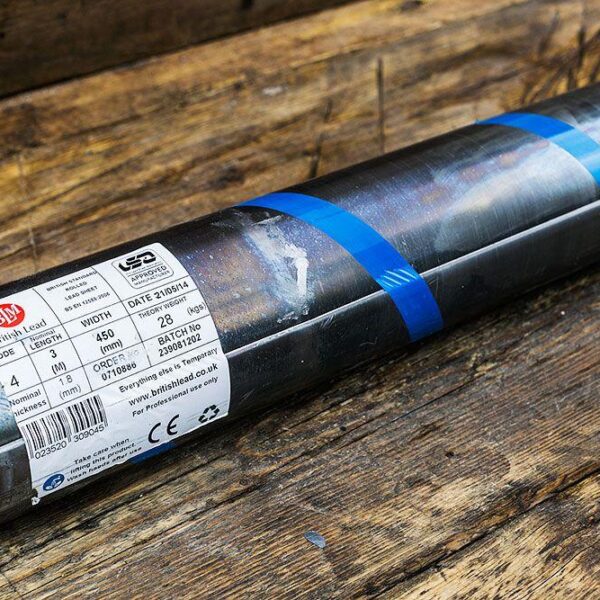
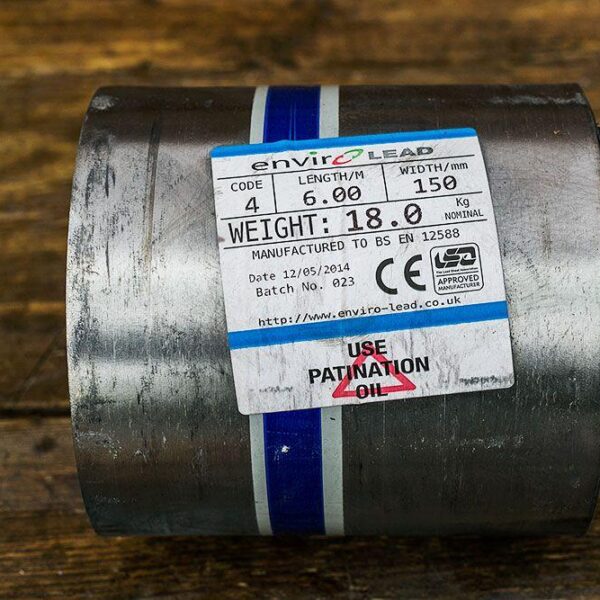
BS EN 12588 defines the material characteristics and dimensional consistency required for rolled lead used in roofing and cladding. Buying lead sheet made to BS EN 12588 helps ensure a stable, reliable product for flashings, valleys, gutters and flat roofing applications.
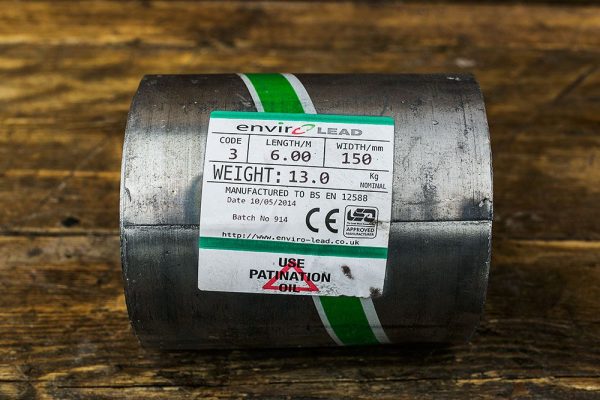
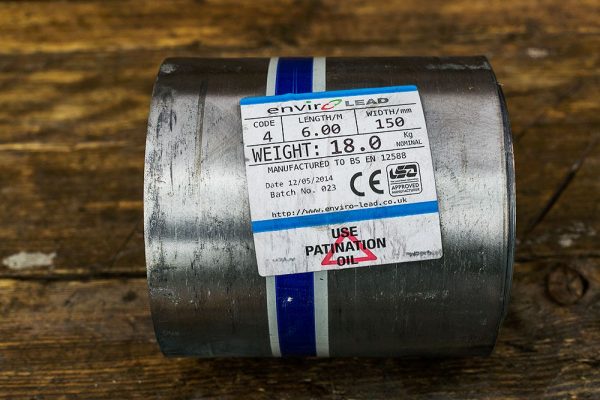
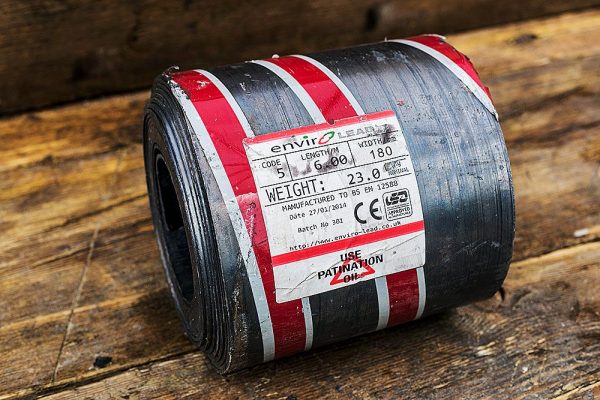
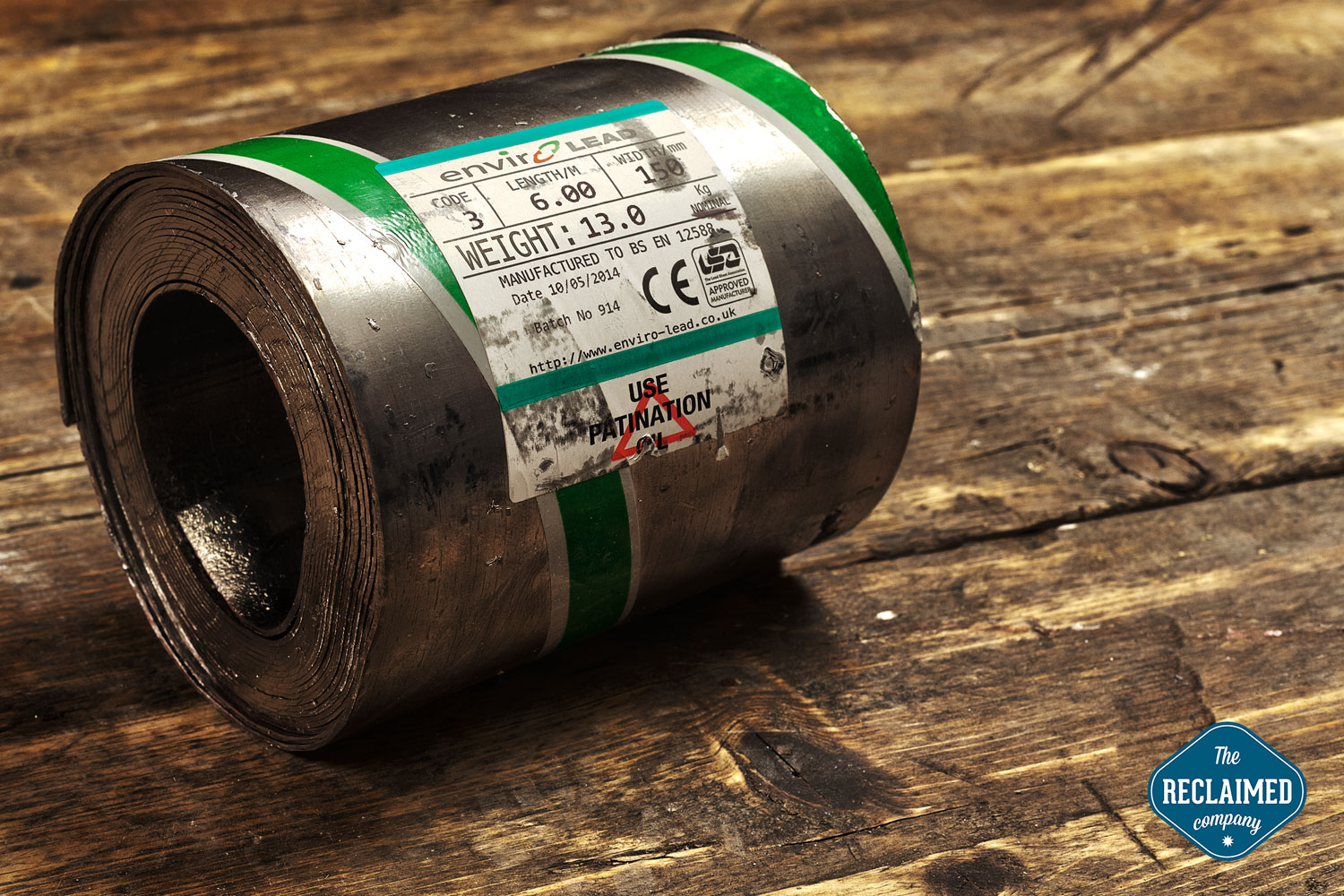
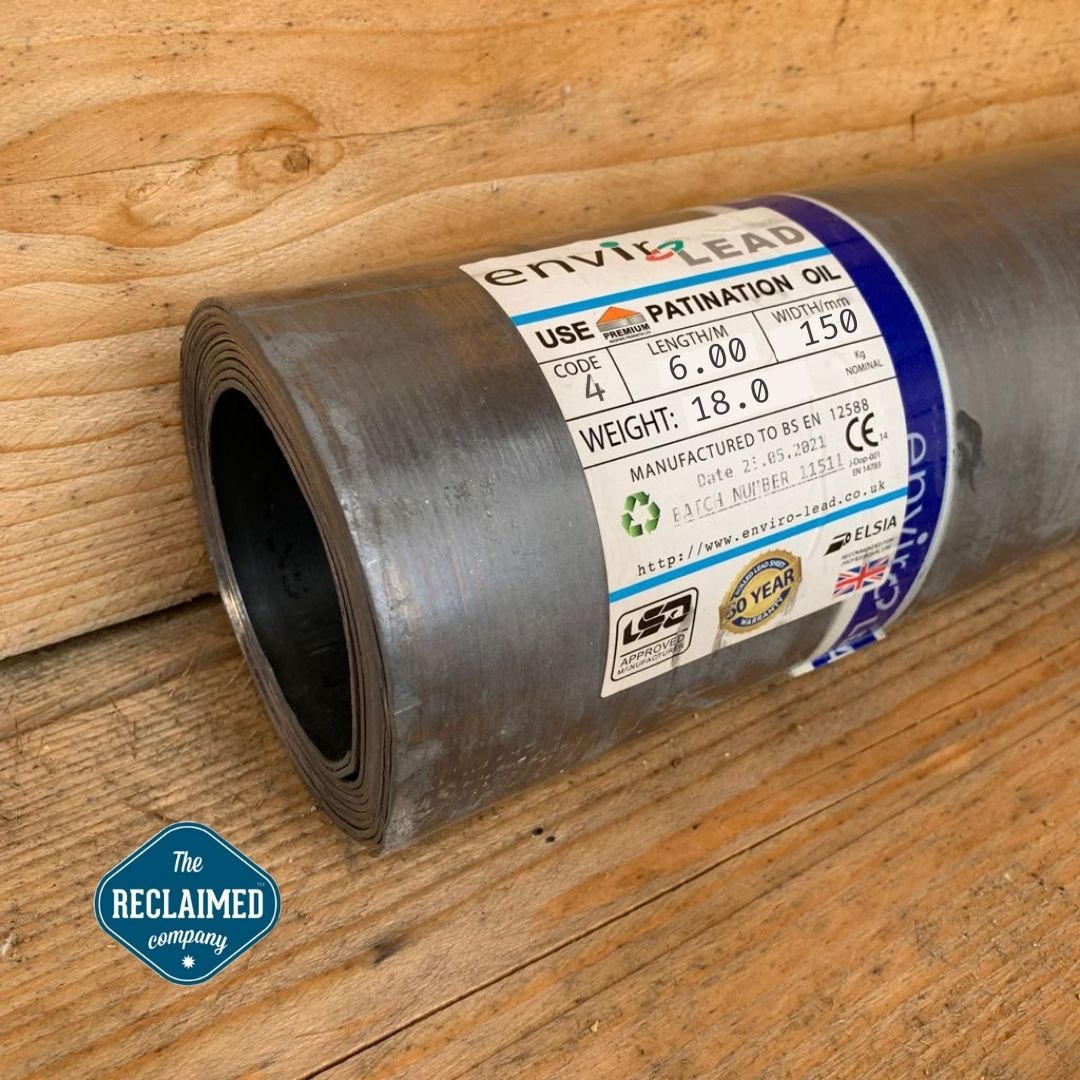
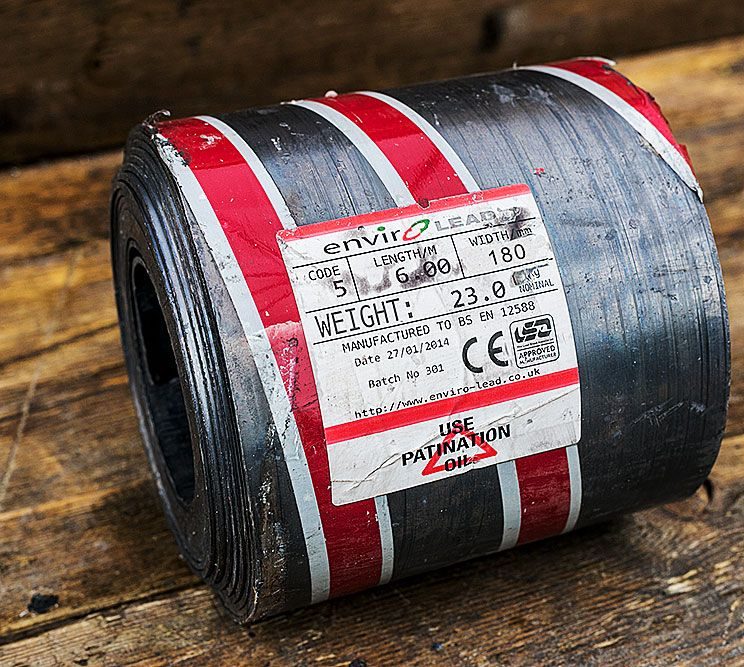
Codes of rolled lead sheet (3–8)
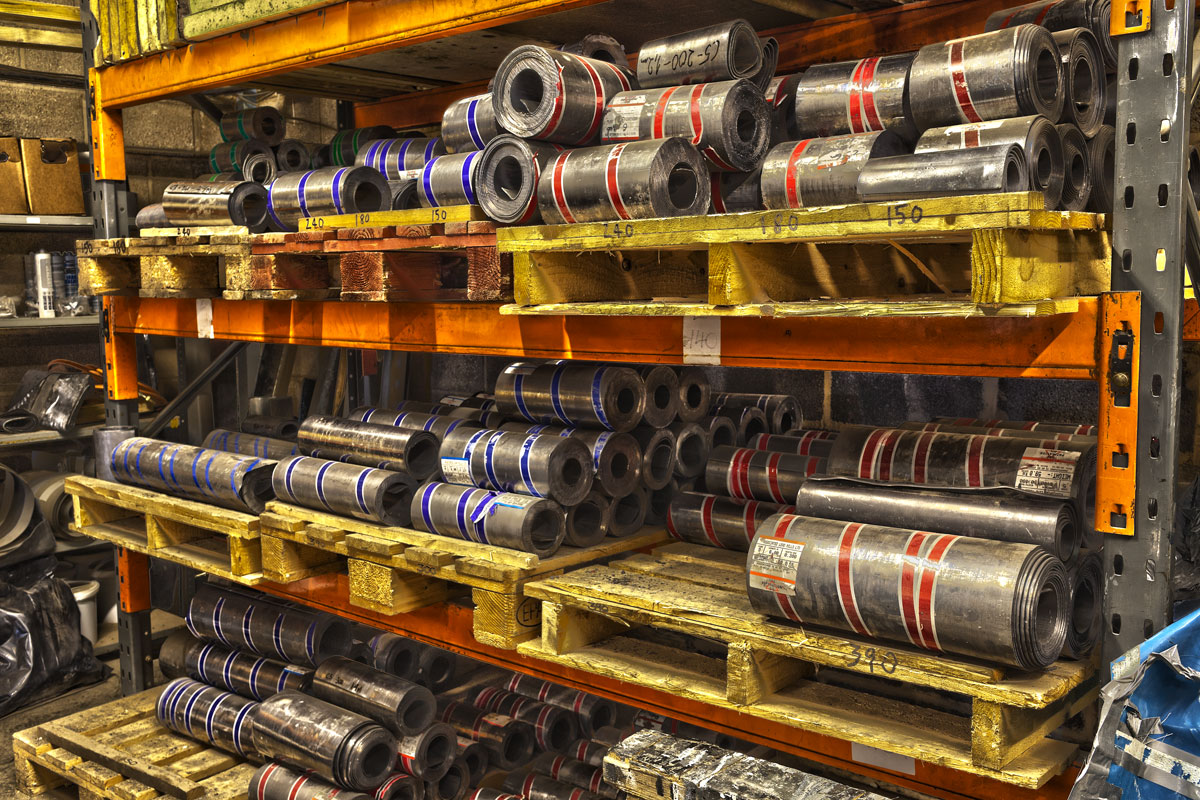
Rolled lead is supplied in “codes”, each representing a thickness and weight. Selecting the correct code depends on exposure, span and detailing requirements:
- Code 3 – soakers, step flashings, light-duty flashings.
- Code 4 – general chimney flashings, abutments, cover flashings.
- Code 5 – valleys, gutters, weatherings, exposed details.
- Code 6 – parapet gutters, robust coverings, short flat roof bays.
- Code 7 – dormers, wide gutters, heavy-duty roof details.
- Code 8 – large bays, high-exposure work, long-life installations.
Heavier codes accommodate greater span and thermal movement, improving durability on exposed or heavily loaded areas when detailed correctly.
Sandcast lead
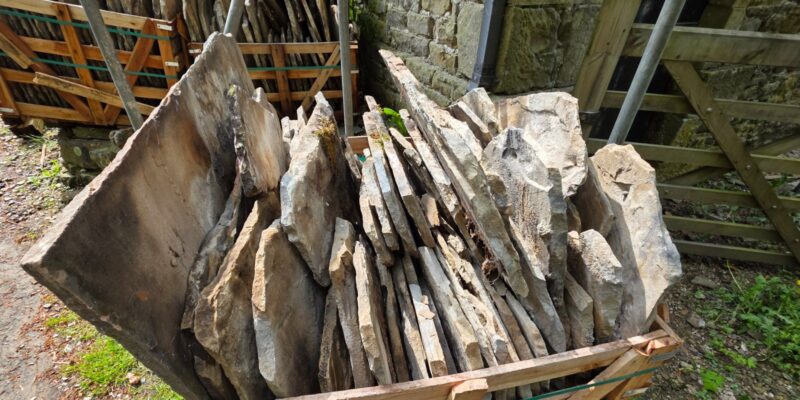
Sandcast lead is a traditional material produced by casting molten lead onto sand beds. Its characterful appearance makes it a popular choice for conservation and listed building work, especially where authenticity is important.
- Authentic heritage appearance for conservation projects.
- Excellent durability when detailed to appropriate guidance.
- Specialist supply available on request.
If you need pricing for sandcast lead or assistance recycling existing leadwork, please contact us.
Order Cut Lead Flashing Sizes (Lead Lads®) 💨👨🏻🔧


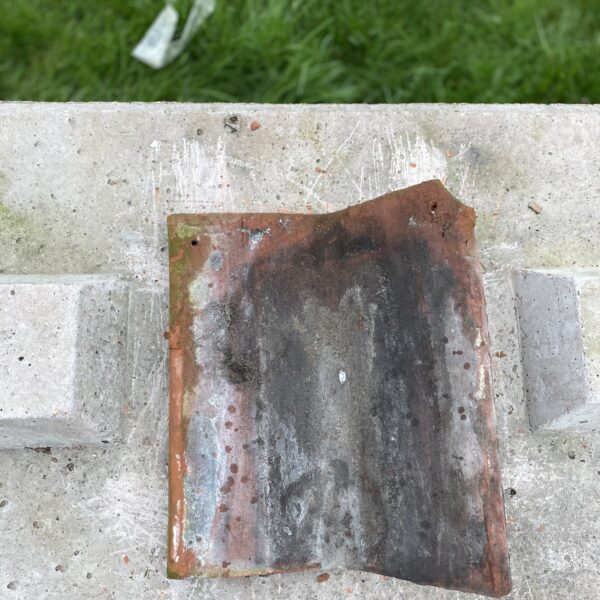 Reclaimed Terracotta Clay Valley Tile 370-310
1 × £6.00
Reclaimed Terracotta Clay Valley Tile 370-310
1 × £6.00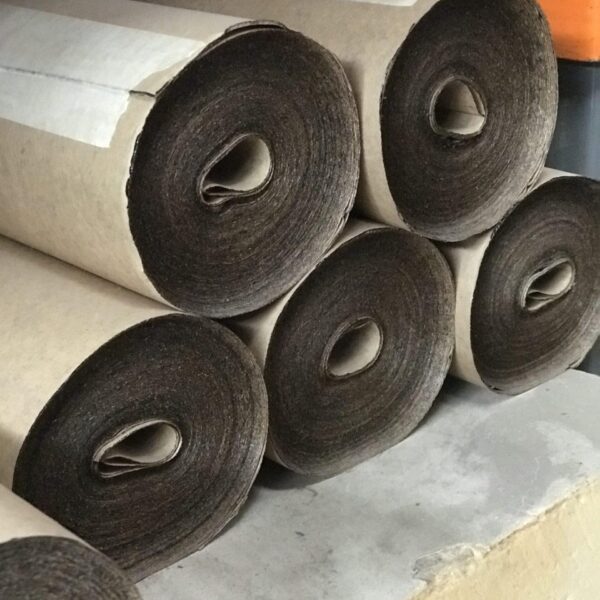 Building Paper | Lead Underlay
1 × £79.34
Building Paper | Lead Underlay
1 × £79.34