

informative posts, Uncategorized
Lead For Roofing | A Buyers Guide

May
Roofing lead
Lead for Roofing | An Important Part of Any Roofing Project
Lead remains one of the most important weathering materials in roofing. From flashings and soakers to valleys, dormers and parapet details, good leadwork protects the vulnerable junctions that determine whether a roof performs properly over the long term.
Buying lead for roofing can feel more complicated than it first appears. Code, quality, installation standards and ancillary products all matter, which is why working with a knowledgeable supplier makes a genuine difference.
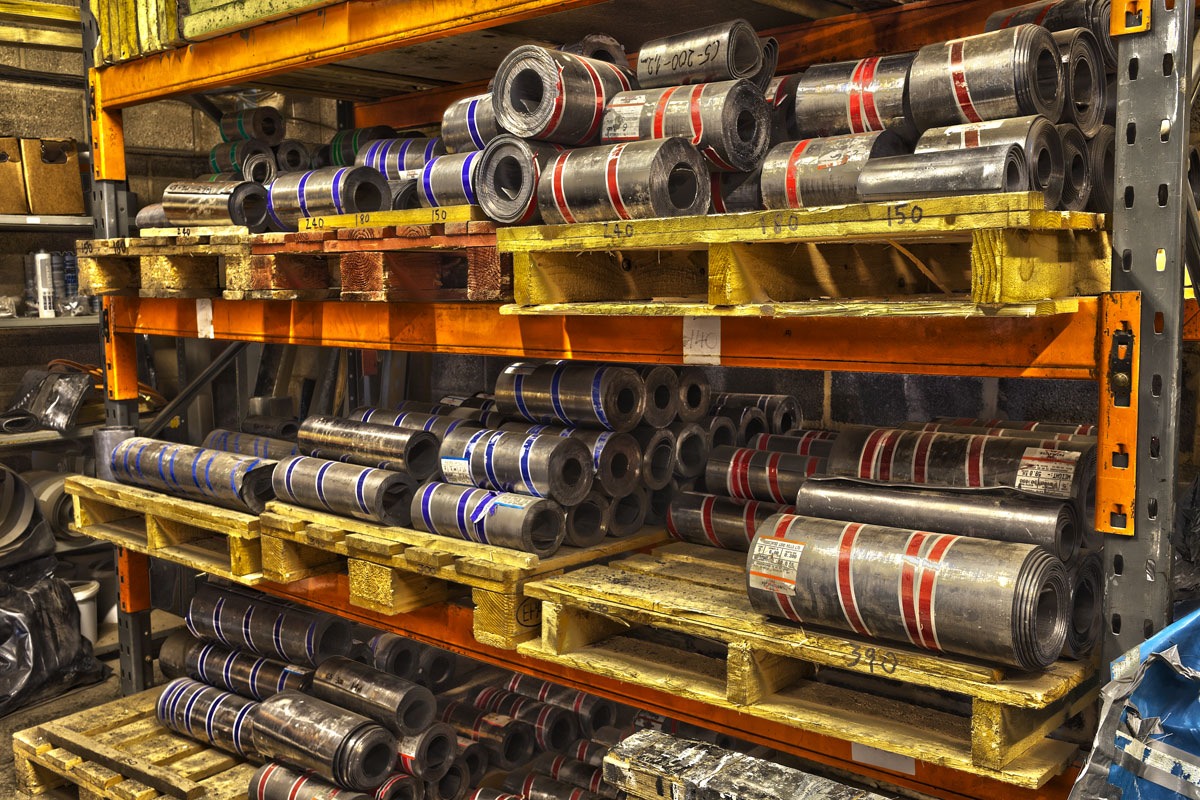

Why lead still matters in roofing
Whether you are using reclaimed slates, reclaimed tiles or new roofing products, you will almost always need lead somewhere within the roof build-up. It is used to weather interfaces, form valleys, protect upstands and help resolve complex details that other materials often struggle to handle with the same flexibility and durability.
Lead is not a casual purchase. It is a premium material, and when it is bought badly or specified incorrectly, part of that order can quickly become unsuitable for the job. That is why product knowledge matters just as much as price.
Simple rule: buy the correct code, buy to the correct standard, and make sure the installer understands how the material should move and perform once it is on the roof.
Lead for roofing | the standards
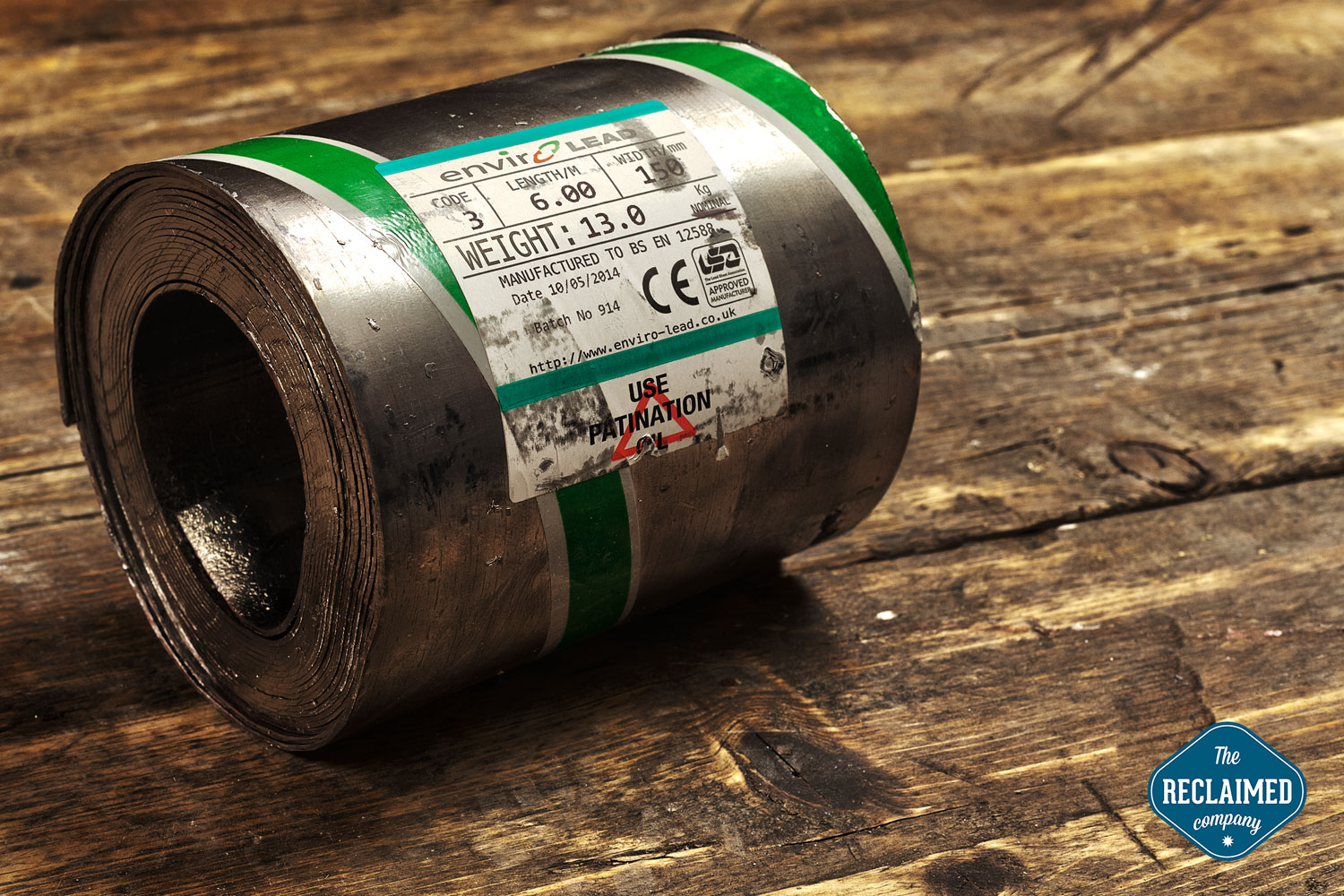
When looking to buy rolled lead sheet for roofing, the first question should not just be cost. It should be quality. Roofing lead should be manufactured to the appropriate recognised standard so that thickness is consistent and the material performs as intended in service.
That consistency matters because lead expands and contracts with temperature change. If the sheet is uneven in thickness, it will not behave evenly in use, which increases the risk of premature stress and failure.

Good roofing lead starts with the right specification, not just the lowest price on the page.
Important correction: the relevant product standard for rolled lead sheet is BS EN 12588, not BS EN 12888. This standard is fundamental to the quality and consistency of milled roofing lead.
Choosing lead that complies with BS EN 12588 helps ensure a more reliable and more usable product. That is especially important on heritage roofing, on exposed details and on any project where failure would be expensive and disruptive to correct.
Lead codes | Code 3 to Code 8
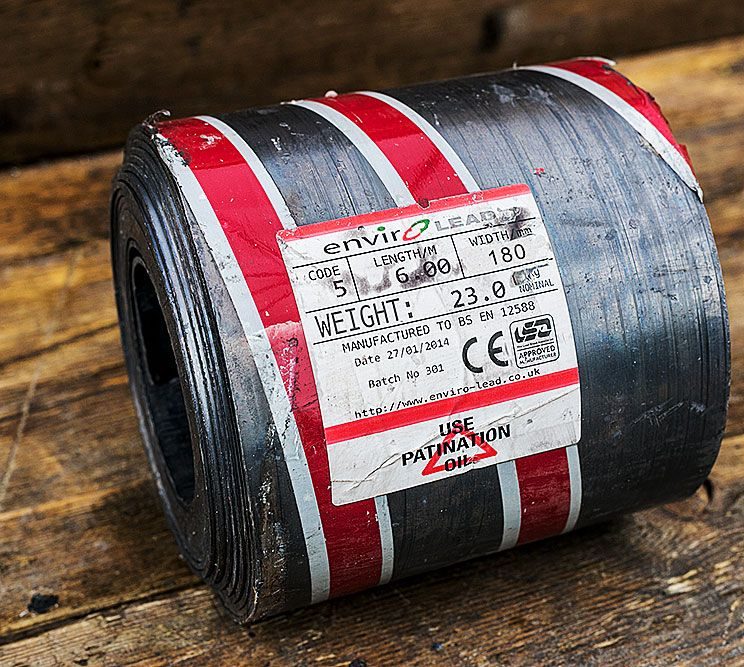
Different codes of lead suit different roofing applications. Thinner codes work well for lighter weathering details, while heavier codes are reserved for broader and more demanding situations such as valleys, dormers and flat roof work. Choosing the right code is essential.
| Code | Thickness (mm) | Weight (kg/m²) | Typical roofing use |
|---|---|---|---|
| Code 3 | 1.32 | 14.97 | Typically used for soakers and lighter weathering details. |
| Code 4 | 1.80 | 20.41 | Commonly used for flashings, soakers, pitched valley gutters, dormers and vertical cladding. |
| Code 5 | 2.24 | 25.40 | Often used for pitched and tapered valleys, dormers, flashings, vertical cladding and some flat roofing details. |
| Code 6 | 2.65 | 30.05 | Suitable for larger flashings, valley work, dormers and more demanding flat roof applications. |
| Code 7 | 3.15 | 35.72 | Used on heavier-duty valley gutters, dormers and flat roofing details. |
| Code 8 | 3.55 | 40.26 | Generally reserved for the heaviest roofing applications, including larger flat roofs and demanding gutter details. |
For buyers who want a more product-led route into specification, The Lead Lads Shop is an excellent companion resource, especially when you need to move quickly from lead code to actual product selection.
Need help choosing the right code of lead?
Supply is only one part of a successful project. Good advice on code selection, accessories and installation logic can save wasted material, reduce risk and improve the finished result.
Experienced contractors value accurate supply, correct codes and access to the right ancillaries in one place.
Proper installation matters as much as supply
Even the best rolled lead sheet will only perform if it is installed correctly. Lead needs room to move. It needs appropriate bay sizes, correct laps, suitable fixings and detailing that respects thermal movement rather than fighting it.
That is why material standards and installation standards must be considered together. A compliant product can still fail if the detailing is poor.
Installation standard: proper installation of rolled lead sheet for roofing is covered by BS 6915:2001+A1:2014. That guidance is essential because it is designed to prolong the life of the material by making proper allowance for expansion and contraction.
At The Reclaimed Company, the client base includes some of the strongest leadwork contractors across Yorkshire because supply is shaped around what real projects actually need. That means the correct code, the right quantity and the right support products, all delivered as part of a coherent roofing package.
What about sundries and ancillary products?
No lead order is complete without the supporting products that allow the sheet to be detailed, fixed and finished correctly. That includes oils, fixings, clips, underlays and timber components associated with traditional leadwork details.
Patination oil
Useful for reducing uneven surface staining and helping lead weather more consistently after installation.
Copper nails and fixings
Correct fixings are essential. Poor choices here can compromise an otherwise well-specified job.
Clips, underlays and support items
Lead rarely works in isolation. The success of the detail depends on the whole system around it.
The Reclaimed Company can supply sundry items alongside your lead order, while The Lead Lads Shop offers a heavily relevant route for buyers wanting a more specialist lead-focused product journey.
For complementary chimney details, especially where traditional terminals are involved, there is also a useful related resource at Chimney Cowls – Pepper Pots.
Your project | get a quote
If you are carrying out a leadwork project, it often makes sense to get a quote for the full supply package rather than trying to piece the order together across multiple suppliers. That approach is usually easier to manage and often more economical once delivery, missing items and time are taken into account.
A good quotation should itemise the lead itself as well as the ancillaries needed to complete the work properly. That gives clarity, reduces mistakes and supports better site planning.
Best approach: quote the project, not just the roll. That way the supply package supports the detail rather than leaving the installer to fill gaps later.

A well-planned lead package makes the roofing project simpler, cleaner and less prone to costly omissions.
