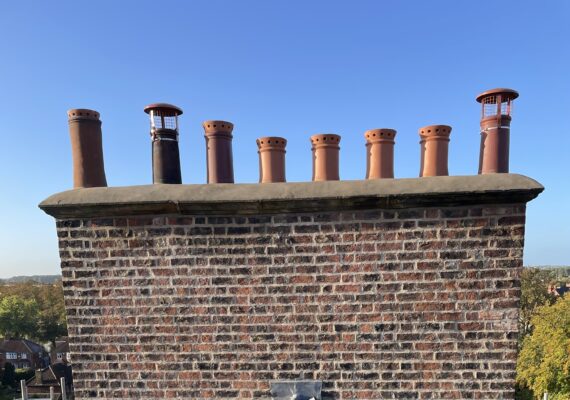
chimney cowls and terminals
The Reclaimed Company ®

Chimney Cowl Guide & Chimney Cowls

Learn how to choose the right chimney cowl for rain protection, birds, downdraught, wood-burning stoves, open fires, chimney liners and redundant chimneys.

For our complete specialist range of chimney cowls, terminals and chimney caps, visit Chimney Cowls UK.

Shop Chimney Cowls Online Chimney Cowl Installation Guide
£60.89 + Vat
£60.89 + Vat
Out of stock

Chimney Cowls | Terminals

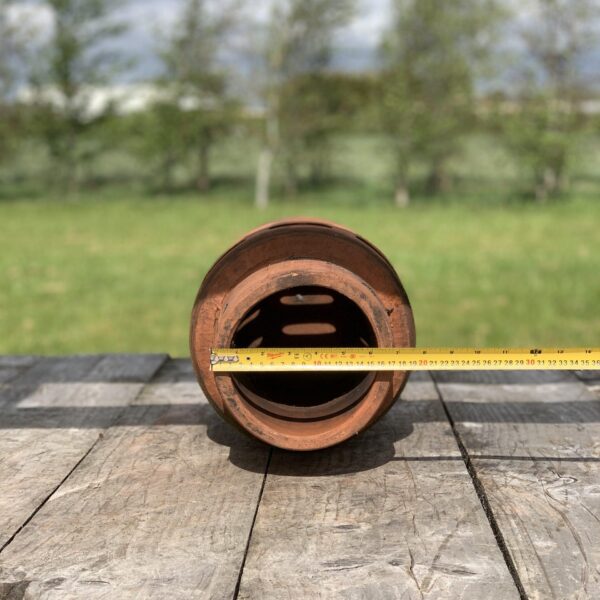
Clay chimney cowl | Chimney insert

£40.00 + Vat
Out of stock

Chimney Cowls | Terminals

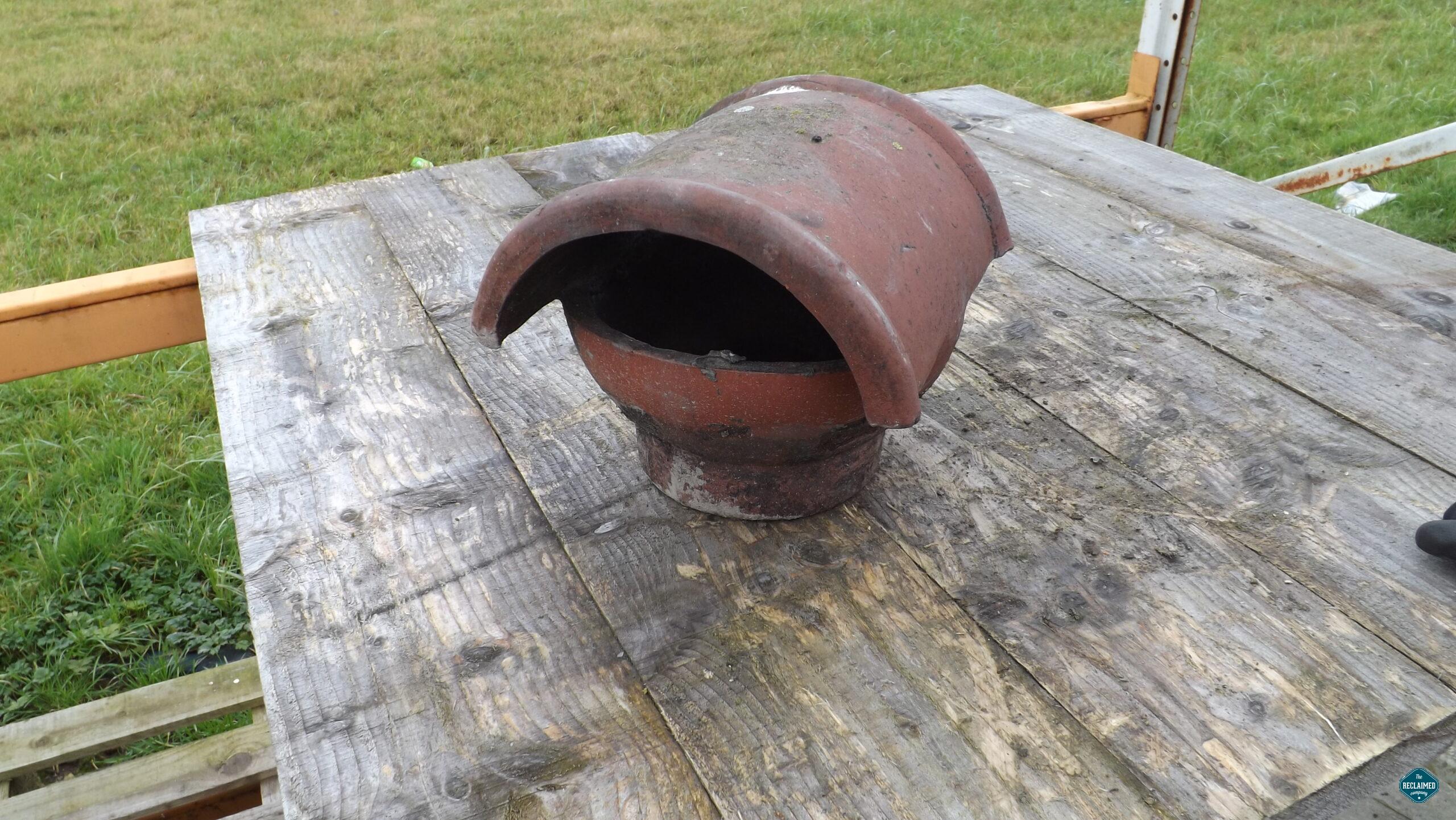
Hood cap cowl

£28.00 + Vat
The Reclaimed Company ®

A Guide to Choosing the Right Chimney Cowl

A chimney cowl is fitted to the top of a chimney pot, flue or chimney liner to protect the chimney and, depending on its design, help manage airflow and flue performance.

Different chimney cowls are designed for different purposes. The correct choice may help reduce rain entry, bird nesting, chimney downdraught, smoke blowback or poor ventilation, while other terminals are specifically intended for flexible chimney liners or redundant flues.

The correct chimney cowl depends on the chimney, fuel, appliance and the problem being addressed. A terminal suitable for a redundant chimney may not be suitable for a wood-burning stove, open fire or other active appliance.

This guide from The Reclaimed Company® explains the main types of chimney cowl, where they are used and what to consider before buying one.

For specialist products, sizing information and UK delivery, visit Chimney Cowls UK, our dedicated platform for chimney cowls, chimney caps and related terminals.

Browse All Chimney Cowls

Chimney Cowl Information

What Is a Chimney Cowl?

A chimney cowl is a terminal fitted at the top of a chimney pot, flue or chimney liner. Depending on its design, a cowl can help protect the chimney from rain, prevent birds and debris entering the flue, reduce the effects of downdraught and provide an appropriate termination for an active or redundant chimney.

Chimney cowls are available in many different forms, including anti-downdraught cowls, bird guards, rain caps, spinning cowls, chimney liner cowls, chimney cappers and traditional clay terminals.

Because every chimney system is different, the appearance of a cowl should not be the only consideration. The appliance, fuel, flue diameter, chimney pot dimensions and intended function all need to be considered before a chimney cowl is selected.

What Does a Chimney Cowl Do?

The function of a chimney cowl varies according to its design. Common uses include:

Reduce Chimney Downdraught

Wind pressure around a chimney can sometimes force air back down the flue, contributing to smoke or fumes entering the room. A suitably selected anti-downdraught chimney cowl can help stabilise airflow at the chimney termination.

Help Keep Rain Out of the Chimney

Rain entering a chimney can contribute to dampness, deterioration of chimney components and moisture within redundant flues. Rain caps, cowls and chimney cappers can reduce direct rainfall entering the chimney while maintaining the ventilation required by the particular installation.

Prevent Birds and Debris Entering

Birds can nest inside chimney pots and open flues, while leaves and other debris can create obstructions. Purpose-designed bird guard chimney cowls provide protection while allowing the chimney to discharge or ventilate.

Provide a Terminal for a Flexible Chimney Liner

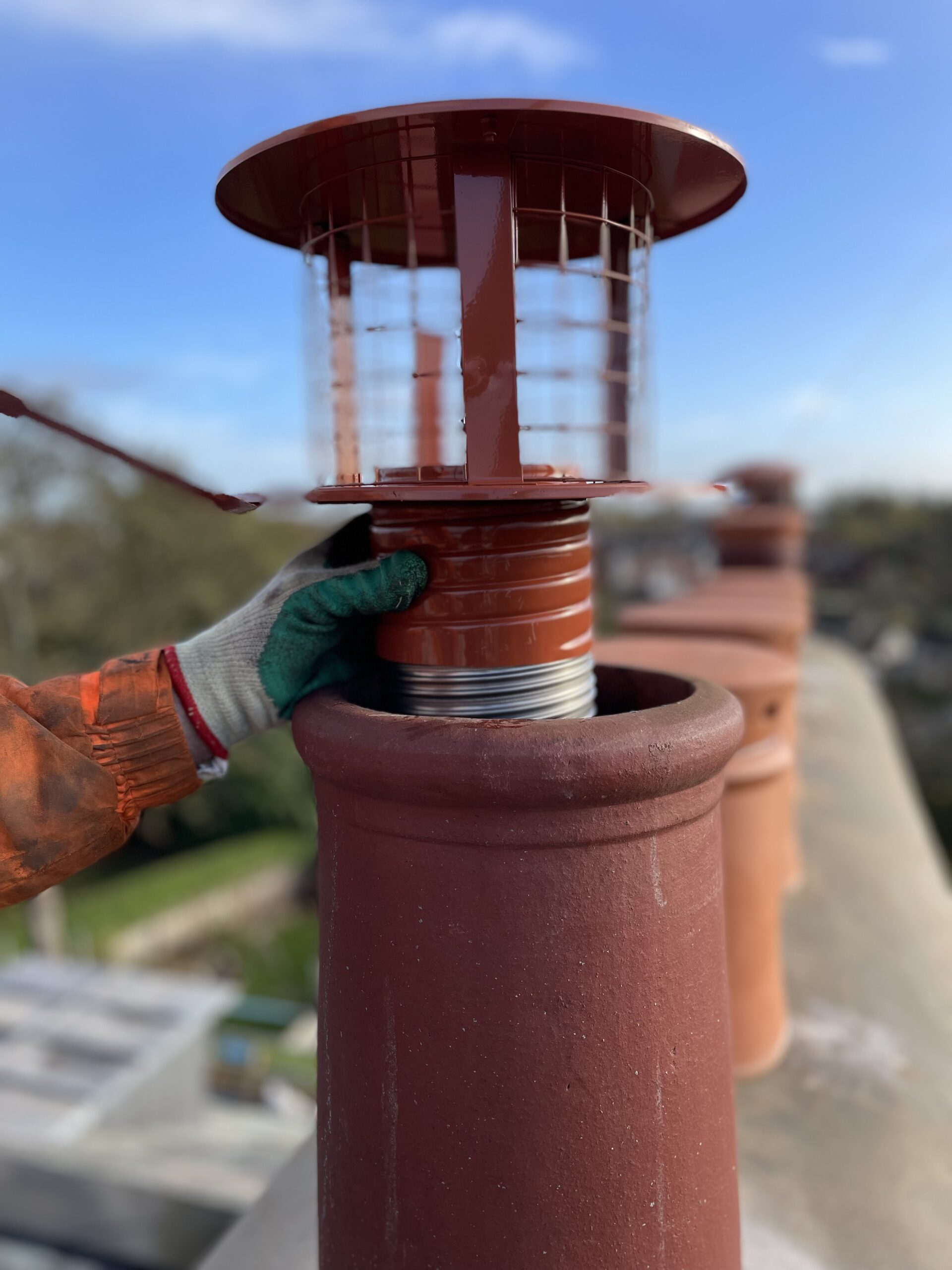
Where a flexible flue liner terminates at chimney-pot level, a compatible terminal or pot-hanger arrangement is normally required. See our specialist range of chimney liner cowls.

Ventilate a Redundant Chimney

Unused chimneys should generally not simply be sealed without considering ventilation. A ventilated chimney cap, capper or pepper pot arrangement can help reduce direct weather entry while allowing air movement through a redundant flue.

Types of Chimney Cowl

There is no universal chimney cowl for every installation. The following are some of the most common types.

Anti-Downdraught Chimney Cowls

Anti-downdraught cowls are designed to reduce the influence of wind at the chimney outlet and help prevent air being driven back down the flue.

Often considered for: exposed properties, troublesome chimneys and installations experiencing wind-related smoke blowback.

Browse anti-downdraught chimney cowls at Chimney Cowls UK →

Spinning and Rotating Chimney Cowls

Spinning or rotating cowls use wind movement around the chimney terminal. Certain designs can assist flue extraction or ventilation, although the underlying cause of poor chimney draught should always be understood before a cowl is used as a solution.

Often considered for: ventilation and selected problematic chimney applications.

Browse spinning chimney cowls →

Bird Guard Chimney Cowls

Bird guard cowls incorporate a protective barrier designed to prevent birds and larger debris from entering the chimney while maintaining the required opening for ventilation or flue discharge.

Often considered for: open chimney pots susceptible to nesting birds.

Browse bird guard chimney cowls →

Rain Caps and Chimney Cappers

Rain caps and chimney cappers are primarily intended to reduce direct rain entry. Different designs are available for active and redundant chimneys, so the intended use should be confirmed before installation.

Often considered for: unused chimneys, rainwater entry and weather protection.

Browse chimney cappers →

Chimney Liner Cowls

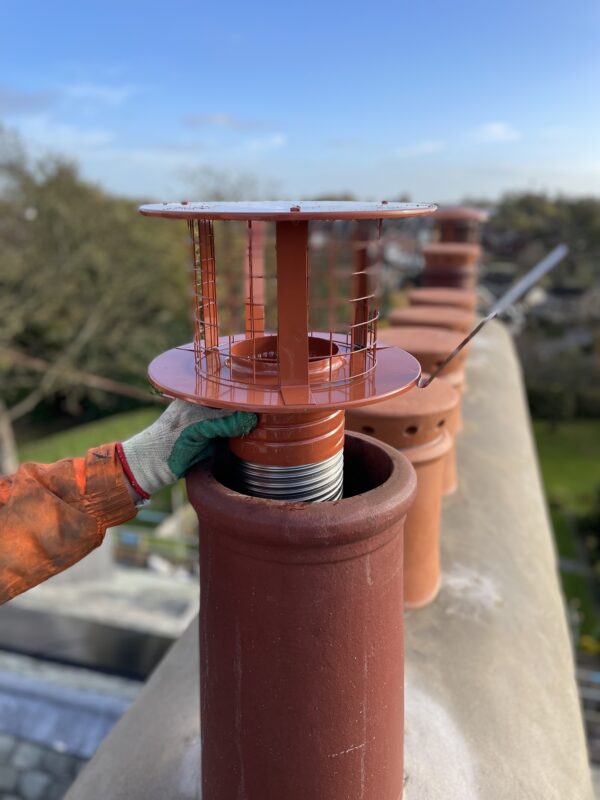
Chimney liner cowls are designed for use where a flexible flue liner terminates at the chimney. These products can combine the functions of securing or terminating the liner with rain and bird protection.

Often considered for: wood-burning stove and solid-fuel installations using a flexible chimney liner.

Browse chimney liner cowls →

H Cowls

H-shaped chimney cowls use a distinctive arrangement of horizontal and vertical sections and can provide resistance to changing wind pressures at the chimney outlet.

Often considered for: exposed locations and particular downdraught problems where the design is compatible with the appliance and flue.

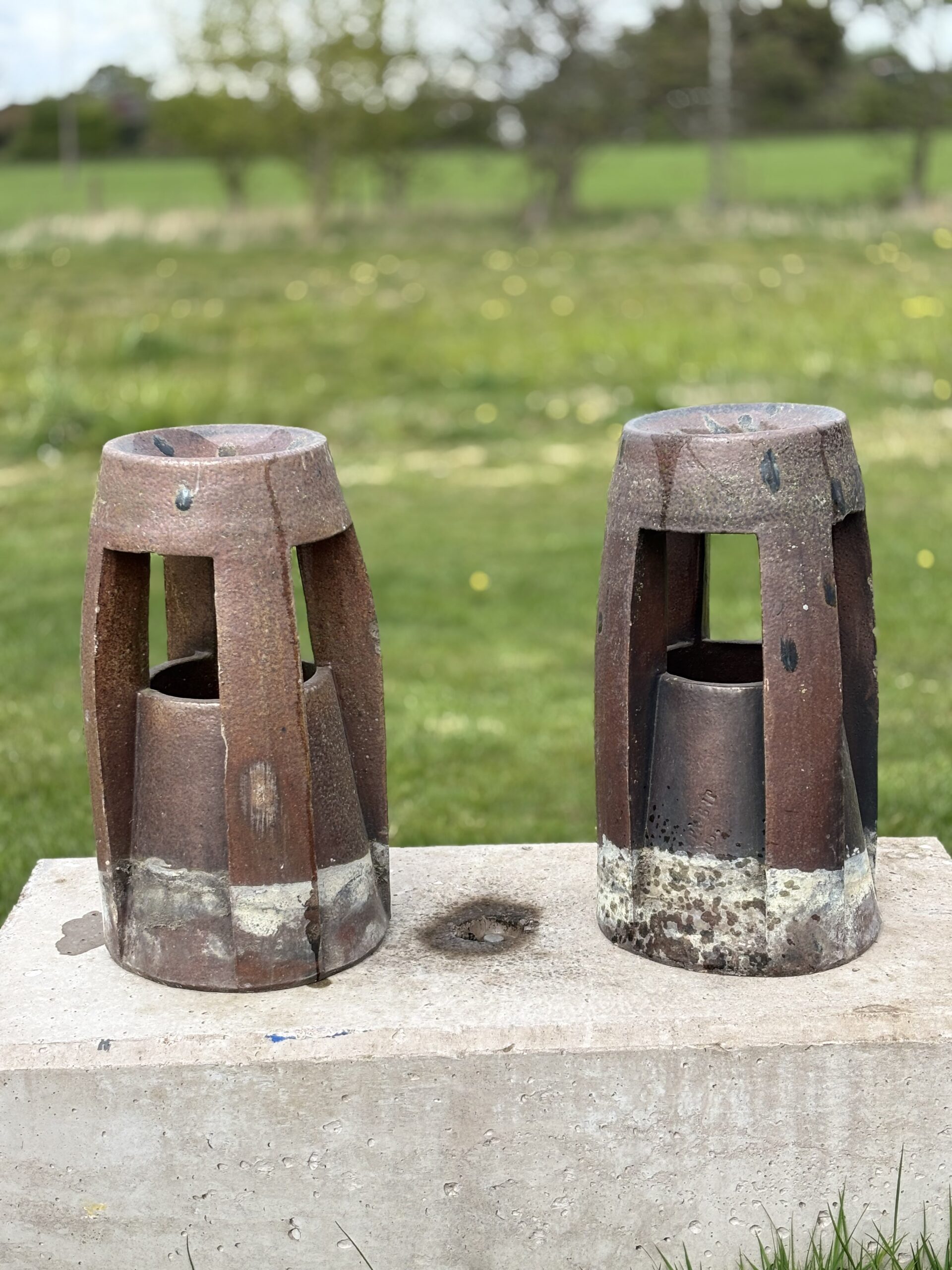
Pepper Pot Inserts

Traditional clay pepper pot inserts are commonly used on redundant chimney pots. Their perforated design allows ventilation while helping reduce direct rain entry and animal access.

They are particularly useful where the appearance of a traditional clay chimney pot is to be retained.

Browse pepper pot chimney inserts at Chimney Cowls UK →

What Are Chimney Cowls Made From?

The material should be compatible with the intended application, appliance and expected exposure. Common chimney cowl materials include:

  • Stainless steel: durable and corrosion resistant, making it common for stove and liner installations.
  • Galvanised steel: economical and widely used for many general-purpose terminals.
  • Aluminium: lightweight and corrosion resistant, although suitability varies according to application.
  • Terracotta and clay: particularly suitable where a traditional appearance is important.
  • Copper: used for selected architectural and premium applications.

For active flues, always check that the chimney cowl is specifically suitable for the fuel, appliance and temperatures involved.

Which Chimney Cowl Do I Need?

The best chimney cowl is determined by the chimney and the problem you are trying to solve. Start by establishing whether the chimney is active or redundant and, where an appliance is connected, identify the fuel and flue system.

Requirement Typical Cowl Type
Chimney downdraught Anti-downdraught cowl
Birds entering chimney Bird guard cowl
Flexible flue liner Chimney liner cowl
Redundant chimney Ventilated chimney capper
Traditional redundant chimney pot Pepper pot insert
Wind-related flue problems Spinning cowl or appropriate anti-downdraught design
Rain protection Suitable rain cap, terminal or chimney capper

These are general categories rather than a substitute for appliance-specific advice. Where a chimney serves a stove, open fire or other combustion appliance, the terminal must be compatible with that installation.

For detailed guidance, visit the Chimney Cowl Installation Guide at Chimney Cowls UK.

Chimney Cowls for Wood-Burning Stoves

A chimney serving a wood-burning stove needs a terminal designed for an active solid-fuel flue. Where a flexible stainless-steel liner is installed, the cowl or terminal must be compatible with the liner diameter and method of termination.

Do not select a cowl simply because it fits the outside of the chimney pot. The appliance, liner, fuel type and manufacturer’s installation requirements should all be considered.

Browse chimney cowls for lined flues, or visit Hot Box® for further stove and flue-system components.

Chimney Cowls for Open Fires

An open fire relies upon adequate chimney draught and a sufficient supply of combustion air. Where smoke enters the room, fitting a chimney cowl may help in some circumstances, particularly where wind-induced downdraught is involved.
However, persistent smoke blowback can also result from chimney height, flue restrictions, inadequate ventilation, competing extraction systems or surrounding buildings and trees. The cause should therefore be established rather than assuming that a cowl alone will resolve the problem.

If wind-related downdraught is suspected, see our range of anti-downdraught cowls.

Chimney Cowls for Redundant Chimneys

When a chimney is no longer used for an appliance, it is usually desirable to reduce rain entry while continuing to allow the flue to ventilate.

A ventilated chimney capper or traditional pepper pot insert may provide an appropriate solution, depending on the chimney pot and required appearance.

This can be particularly useful on older buildings where moisture within a disused chimney needs a route to dissipate.

Chimney Cowl Sizes & Measuring

Not all chimney cowls are universal. Before ordering, check the manufacturer’s sizing requirements carefully.

Measurements may include:

  • outside diameter of the chimney pot;
  • inside diameter of the chimney pot;
  • diameter of any flexible flue liner;
  • shape and profile of the chimney pot;
  • available height for fixings or straps; and
  • whether the cowl fits inside, outside or directly to the liner.

Accurate measurement is especially important for unusual, tapered or reclaimed chimney pots.

For further guidance, see how to choose, measure and install a chimney cowl.

Chimney Cowl Installation

Chimney cowl installation normally requires access to the top of the chimney stack. Working from ladders, roofs and chimney stacks presents a significant risk of falls, so appropriate safe access should always be used.

A chimney cowl may be fixed using straps, clamps, bolts, a pot-hanger system or another manufacturer-designed fixing method. The fixing must be suitable for the chimney pot and capable of resisting expected wind loading.

Where the cowl forms part of a working flue system, installation should follow the appliance, flue and cowl manufacturer’s requirements together with applicable Building Regulations.

For professional chimney and stove services, visit The Stove Guys.

Chimney Cowl Maintenance

A chimney cowl is exposed to weather, combustion products and debris throughout its service life. It should therefore be checked periodically and whenever the chimney is swept or inspected.

  • Check that the cowl remains securely fixed.
  • Inspect metalwork for corrosion or damage.
  • Ensure bird guard mesh remains unobstructed.
  • Check rotating components for free movement where applicable.
  • Remove nests, leaves and other debris where safe and appropriate.
  • Replace damaged or unsuitable cowls rather than relying on temporary repairs.

If replacement is required, browse the specialist chimney cowl range at Chimney Cowls UK.

Chimney Cowl Guides & Specialist Products

Our dedicated Chimney Cowls UK platform provides specialist chimney cowls, terminals and guidance for customers throughout the UK. Use the links below to go directly to the relevant product category.

Shop by Chimney Cowl Type

Chimney Liners & Redundant Flues

Chimney Cowls for Period & Heritage Properties

Chimney pots are an important part of the appearance of many Victorian, Edwardian and period properties. Where a modern chimney cowl is required, the selected terminal should perform correctly without unnecessarily detracting from the character of the chimney stack.

Traditional clay terminals, discreet metal cowls and ventilated pepper pot inserts can all have a place, depending upon whether the chimney is active or redundant.

Listed buildings and properties in conservation areas may also require additional consideration where changes materially affect the external appearance of the building.

Reclaimed Chimney Pots & Modern Cowls

The Reclaimed Company® specialises in traditional and reclaimed chimney pots. Existing or reclaimed pots can often be combined with an appropriate modern chimney cowl, provided the dimensions, fixing arrangement and intended appliance are compatible.

This creates a natural relationship between the two platforms: The Reclaimed Company® for period and reclaimed chimney pots, and Chimney Cowls UK for specialist chimney cowls and terminals.

View Reclaimed Chimney Pots Find a Chimney Cowl

Chimney Cowl or Chimney Cap?

The terms chimney cowl and chimney cap are sometimes used interchangeably, but they can describe products intended for quite different functions.

Chimney Cowls

A chimney cowl is commonly associated with an active or ventilating flue and may be designed to:

  • help manage airflow at the chimney termination;
  • reduce wind-induced downdraught;
  • prevent bird and debris entry;
  • reduce direct rain entry; or
  • terminate a flexible chimney liner.

Chimney Caps

A chimney cap or capper is often used on a redundant chimney where the main requirement is to reduce rain and animal entry while retaining suitable ventilation.

Traditional clay pepper pot inserts are one example of a ventilated terminal commonly associated with disused chimney pots.

For specialist products, compare chimney cappers and pepper pot terminals at Chimney Cowls UK.

Ventilate a Redundant Chimney

Use traditional clay pepper pot inserts to help cap and ventilate redundant chimney pots.

Chimney Liner Cowls

Find chimney liner cowls and terminals for compatible flexible flue liner installations.

Reclaimed Chimney Pots

Pair a suitable modern cowl with one of our traditional or reclaimed chimney pots.

Buy and Sell Reclaimed Materials Online: A New Way to Reuse Building Materials The traditional [...]

How Much Are Reclaimed Roof Tiles Worth?

Reclaimed roof tiles can vary significantly in value depending on type, condition, quantity and demand. [...]

Reclaimed Roof Tiles: Where to Find Matching Roof Tiles in the UK

Finding matching roof tiles can be difficult, especially when repairing older properties. This guide explains [...]

How to Sell Reclaimed Building Materials Online

Looking to sell reclaimed building materials, architectural salvage or surplus construction stock? The Reclaimed Company [...]

Reclaimed Ironmongery Guide: Hooks, Brackets, Handles & Hardware UK

Reclaimed Ironmongery: The Complete Guide to Hooks, Brackets, Handles & Hardware Reclaimed ironmongery brings together [...]

Choosing Reclaimed Chimney Pots & Terminals

Match the look and performance at the top of your stack. This guide explains how [...]

Best Fixings for Reclaimed Roof Tiles 2026

Which fasteners make reclaimed tile roofs last? This practical guide explains copper vs stainless nails, [...]

Calculate Reclaimed Roof Tile Quantities the Smart Way

Calculate Reclaimed Roof Tile Quantities the Smart Way Shortfalls burn programme time and budget. Over-ordering [...]

Roof Ventilation with Pepper Pot Inserts: A Quick Win

Pepper pot inserts deliver discreet, effective roof ventilation for heritage and reclaimed projects. Learn when [...]

How to Match Reclaimed Ridge Tiles First Time

A practical, no-nonsense guide to matching reclaimed ridge tiles—how to identify profile and angle, colour-blend [...]

Reclaimed Slate Buying Guide (Grades, Sizes, Fixings)

From grading and sorting to quantities, fixings, ventilation, and leadwork—this reclaimed slate buying guide shows [...]

Buy Reclaimed Clay Roof Tiles in the UK

A practical buyer’s guide to sourcing and installing reclaimed clay roof tiles in the UK—how [...]

Guide to Ironmongery | The Reclaimed Company ®

Navigation Home › Blog › Ironmongery › Ultimate Guide Ironmongery buying guide The Ultimate Guide [...]

Clear Breathable Masonry Sealer: Ultimate Guide to Waterproofing Brick & Stone

The Reclaimed Company® • Building Materials Clear Breathable Masonry Sealer: The Ultimate Guide (Using Belzona [...]

Why Choose Reclaimed Slate Roofing? Durable, Stylish & Sustainable

Reclaimed roofing guide Why Choose Reclaimed Slate Roofing? Durable, Stylish & Sustainable By The Reclaimed [...]

The Reclaimed Company ®

Chimney Cowl FAQs

Choosing a chimney cowl is easier once you establish what the chimney serves and what the terminal needs to achieve. These are some of the questions we are commonly asked.

A chimney cowl is fitted to the top of a chimney pot, flue or liner. Depending on its design, it can help protect against rain, prevent birds and debris entering, reduce wind-related downdraught, ventilate a redundant chimney or form the terminal of a working flue system.

The correct chimney cowl depends on whether the chimney is active or redundant, the appliance and fuel involved, the type and diameter of the flue or liner, the chimney pot dimensions and the problem you are trying to solve.

Browse the complete chimney cowl range or read the Chimney Cowl Installation Guide.

An appropriate anti-downdraught cowl can help where wind pressure at the chimney terminal is contributing to smoke blowback. However, smoking fireplaces can have several causes, including insufficient chimney height, inadequate ventilation, flue restrictions and surrounding structures. Persistent problems should therefore be properly investigated.

See our specialist range of anti-downdraught chimney cowls.

A purpose-designed bird guard chimney cowl can prevent birds entering through the top of the chimney while maintaining the opening required for the particular flue or ventilation arrangement.

Browse bird guard chimney cowls →

Many chimney cowls and caps are designed to reduce direct rain entry. The correct product depends on whether the chimney is active or redundant and the amount of ventilation or flue opening that must be retained.

A wood-burning stove requires a terminal suitable for the appliance, solid fuel and flue system being used. Where a flexible chimney liner is installed, the terminal must also be compatible with the liner diameter and termination arrangement.

See our range of chimney liner cowls.

Ventilation is commonly retained in redundant chimneys to help air movement and moisture dissipation within the disused flue. Ventilated chimney cappers and traditional pepper pot inserts can help protect the chimney from direct rainfall while maintaining airflow.

No. Chimney cowls are manufactured for different chimney pot sizes, flue diameters, liners, fuels and applications. Always check the product dimensions and manufacturer’s stated use before ordering.

Some products have relatively simple fixing systems, but installing a cowl requires safe access to the chimney stack. Roof and chimney work carries a significant risk of falls. Where the cowl serves a combustion appliance, correct installation and compatibility with the flue system are also important.

A chimney cowl is often selected to provide a specific airflow, flue, rain or bird-protection function. A chimney cap is more commonly associated with weather protection and ventilation of an unused chimney, although terminology varies between manufacturers.

Shop Chimney Cowls Online Visit Chimney Cowls UK

Find the Right Chimney Cowl

For specialist chimney cowls, chimney caps, bird guards, anti-downdraught cowls, liner terminals and fitting guidance, visit our dedicated platform:

ChimneyCowls.uk

Browse Chimney Cowls

The Reclaimed Company ®
Sutton Road, Wigginton, York
North Yorkshire, YO32 2RB
United Kingdom

what3words: objectives.saloons.likes

Contact The Reclaimed Company

All rights reserved.