Roofing Lead Guide
Rolled Lead Flashing for Roofing Applications
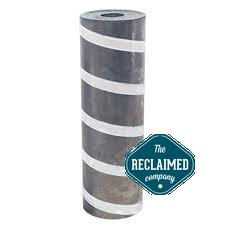
Lead flashing and rolled lead sheet remain widely used for traditional and modern roofing because lead combines durability, malleability and reliable weather resistance. It can be formed around complex roof junctions and is particularly useful where long-life detailing is required.
Manufactured to BS EN 12588
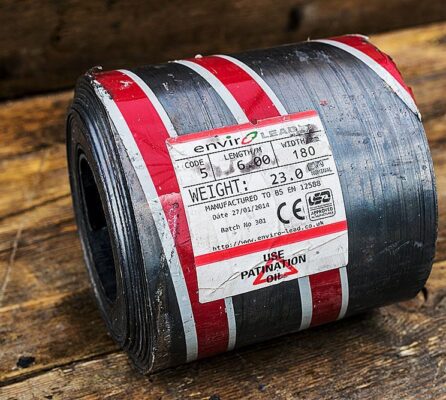
Rolled lead sheet used for roofing should conform to BS EN 12588, which specifies requirements including composition, dimensions and tolerances for rolled lead sheet used in building applications.
Lead Codes
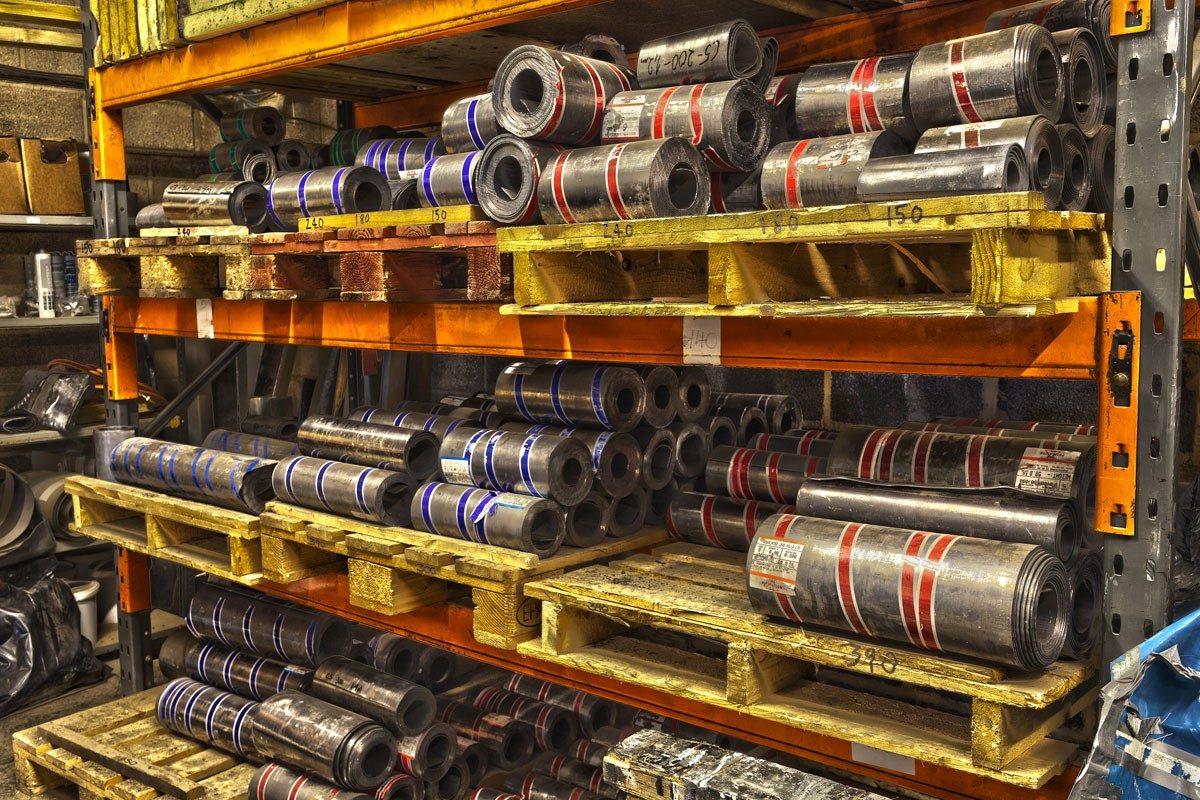
Roofing lead is supplied in different thicknesses traditionally described by code. The correct code should be selected for the intended detail rather than simply choosing the lightest available material.
Codes commonly encountered in roofing range from Code 3 through to Code 8, although appropriate specification depends upon factors including sheet size, location and intended use.
Ready to buy?
Use The Lead Lads® Shop to browse available lead rolls and select the appropriate code and roll size.
Shop Roofing Lead
[/div>
Installation & Leadwork Best Practice
Good material alone does not guarantee good leadwork. Correct sizing, bay dimensions, laps, fixings, movement allowances and substrate preparation are all important to long-term performance.
- BS 6915 provides recognised guidance relating to the design and construction of lead sheet roof and wall coverings, flashings and weatherings.
- Lead sheet should be detailed so that thermal movement can occur without excessive restraint.
- Sheet sizes and lead codes should be appropriate for the particular application.
- Complex, heritage and decorative leadwork should generally be undertaken by suitably experienced leadworkers.
Common Uses of Roofing Lead
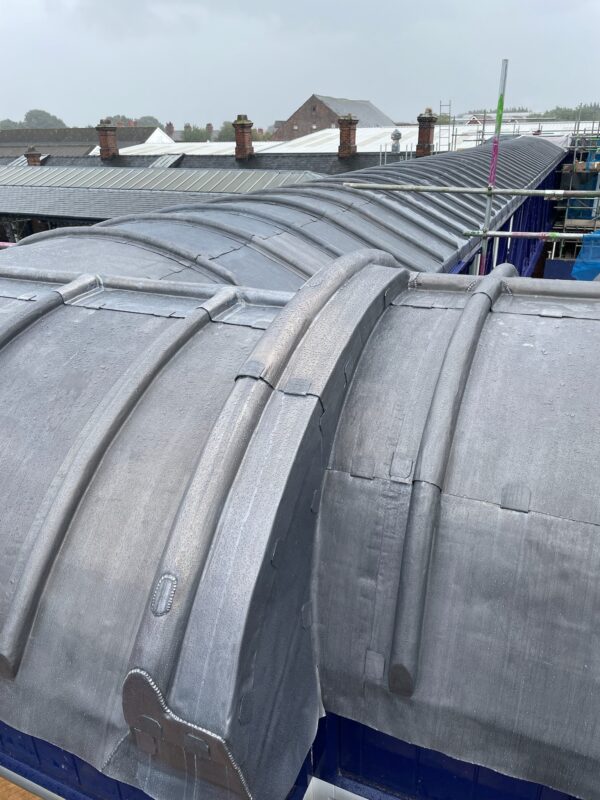
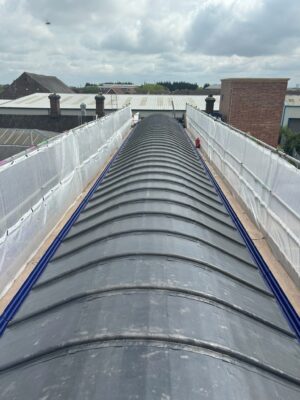
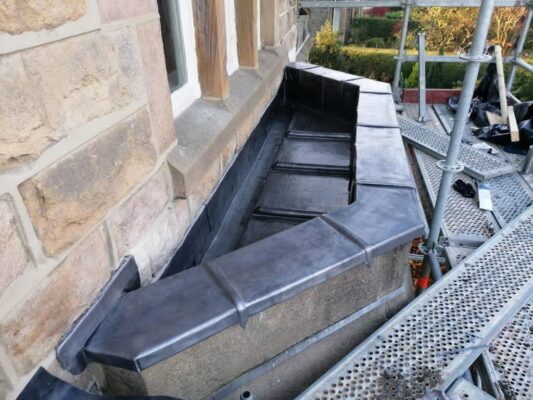
Roofing lead is used across domestic, commercial, heritage and conservation work, including chimney flashings, abutments, valleys, parapets, dormers, bay roofs, gutter linings, cladding and decorative architectural details.