

Rolled lead sheet
Using Lead For Roofing

Aug
Lead roofing
Lead for Roofing | A Versatile Material for Flashings, Gutters and Roof Details
When considering lead roofing, or the wider use of lead in roofing applications, it is important to understand not only where lead should be used, but also how it should be fixed, detailed and allowed to move.
Rolled lead sheet is one of the most versatile weathering materials available. It performs beautifully when the specification is right and the installation respects recognised guidance on bay sizes, fixings and thermal movement.
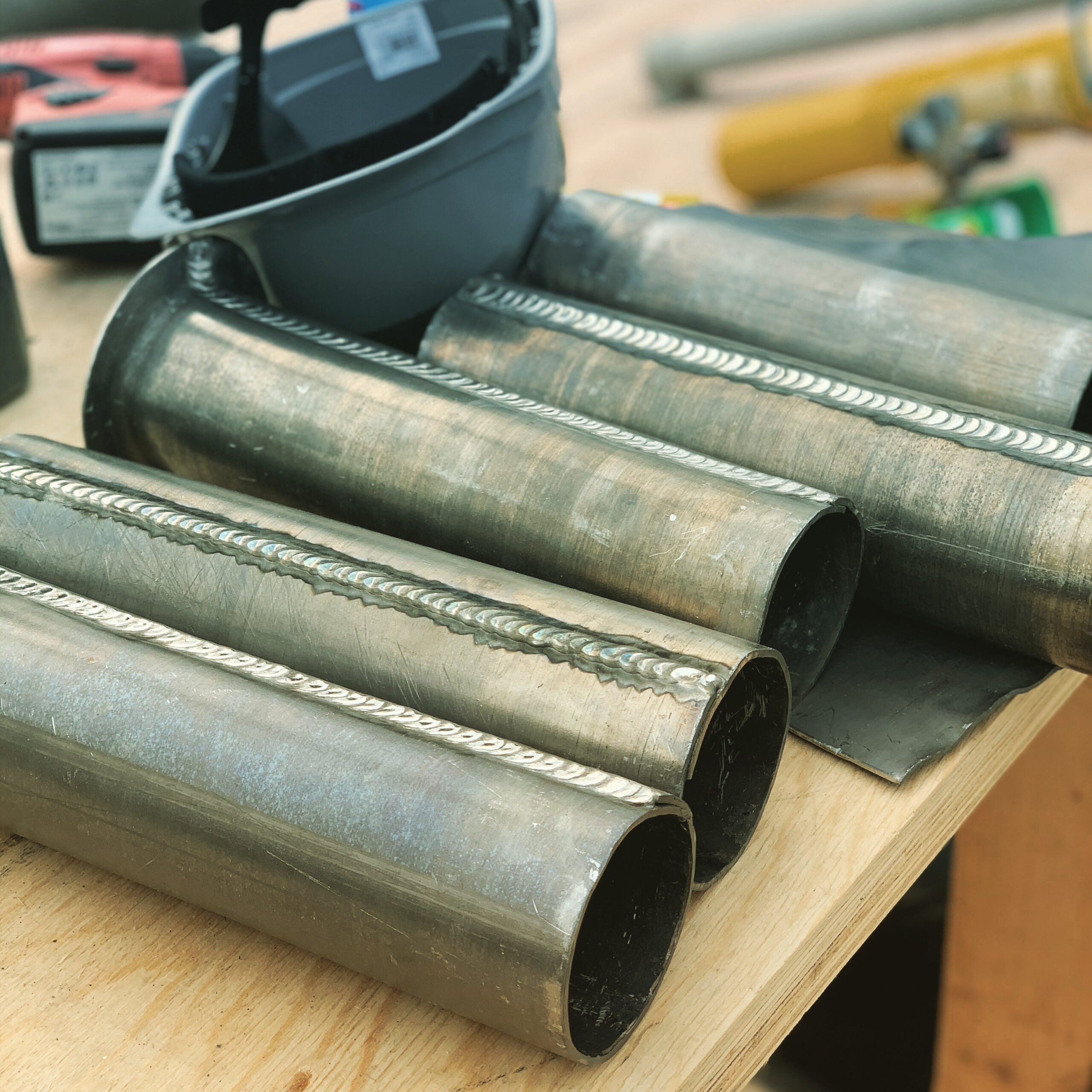
Why lead remains important in roofing
Lead has many uses when undertaking roofing work. It can weather interfaces, form valleys, line gutters, cap ridges and hips, and resolve awkward penetrations where more rigid materials would struggle. That flexibility is a major reason why lead has remained central to roofing for centuries.
The guidelines for carrying out leadwork are clear for good reason. They are designed to ensure that lead is fixed correctly, that proper allowance is made for thermal movement, and that the finished application remains watertight for the long term. In other words, good leadwork is not just about appearance. It is about movement control, durability and performance.
Key principle: lead should never be treated as a simple sheet material. It needs correct code selection, correct bay sizing, correct fixings and correct detailing if it is to stand the test of time.
Lead flashings
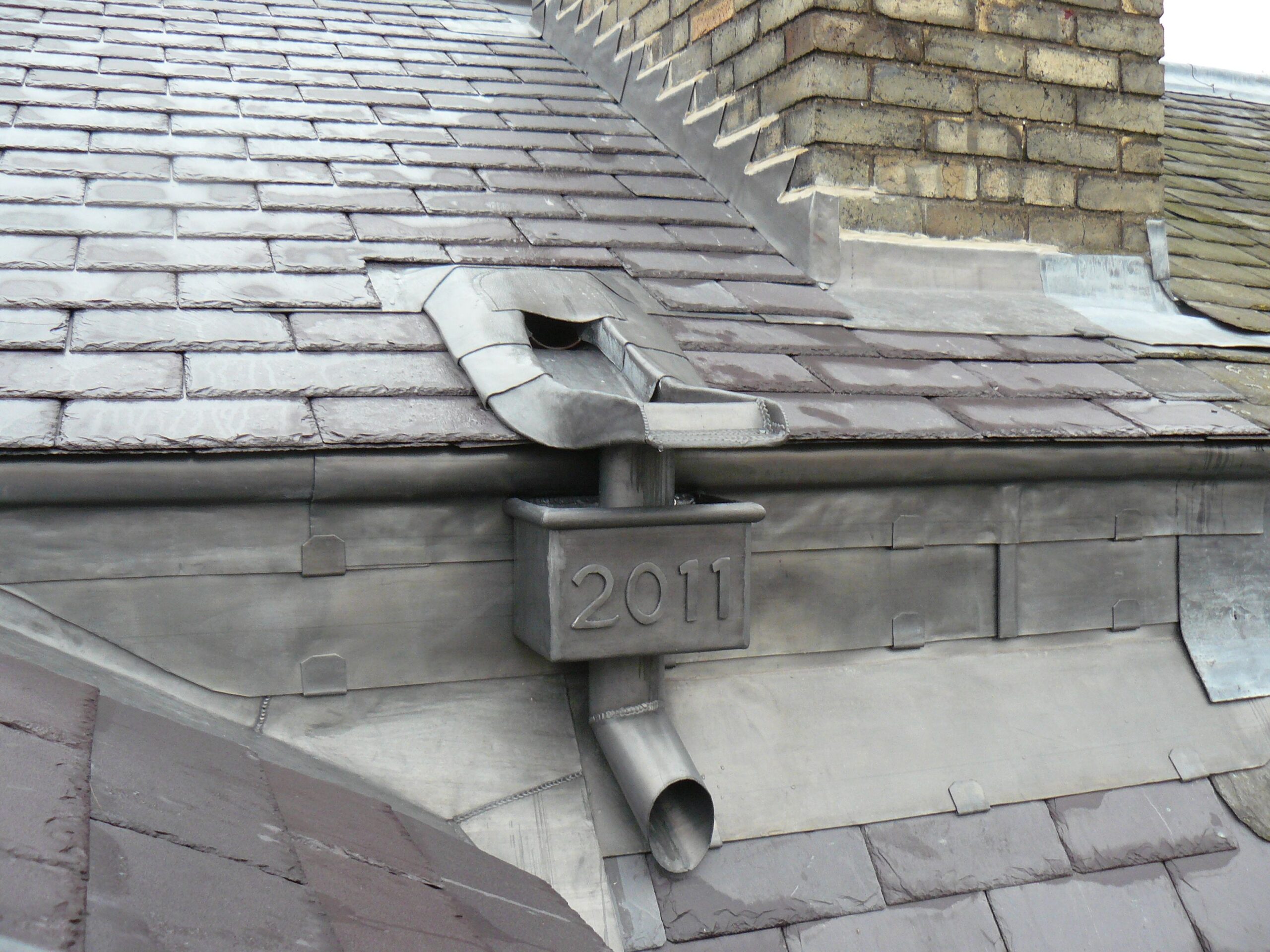
Lead is a superb choice when creating a flashing at an interface with another building element, such as a chimney, parapet or abutting wall. In most cases, lead flashings are formed either as straight flashings or stepped flashings, depending on the detail and the masonry they need to weather.
A stepped flashing is commonly used where a pitched roof abuts a masonry wall. Each step is dressed into the mortar joints so that the interface is weathered without undermining the actual brickwork. Straight flashings are typically used where flatter interfaces or simpler upstands are involved.
Because the detail is often fundamental to the whole roof, correct installation matters enormously. A badly formed or poorly fixed flashing can compromise an otherwise sound roofing project.
Lead stepped flashings remain one of the most reliable ways to weather masonry abutments on pitched roofs.

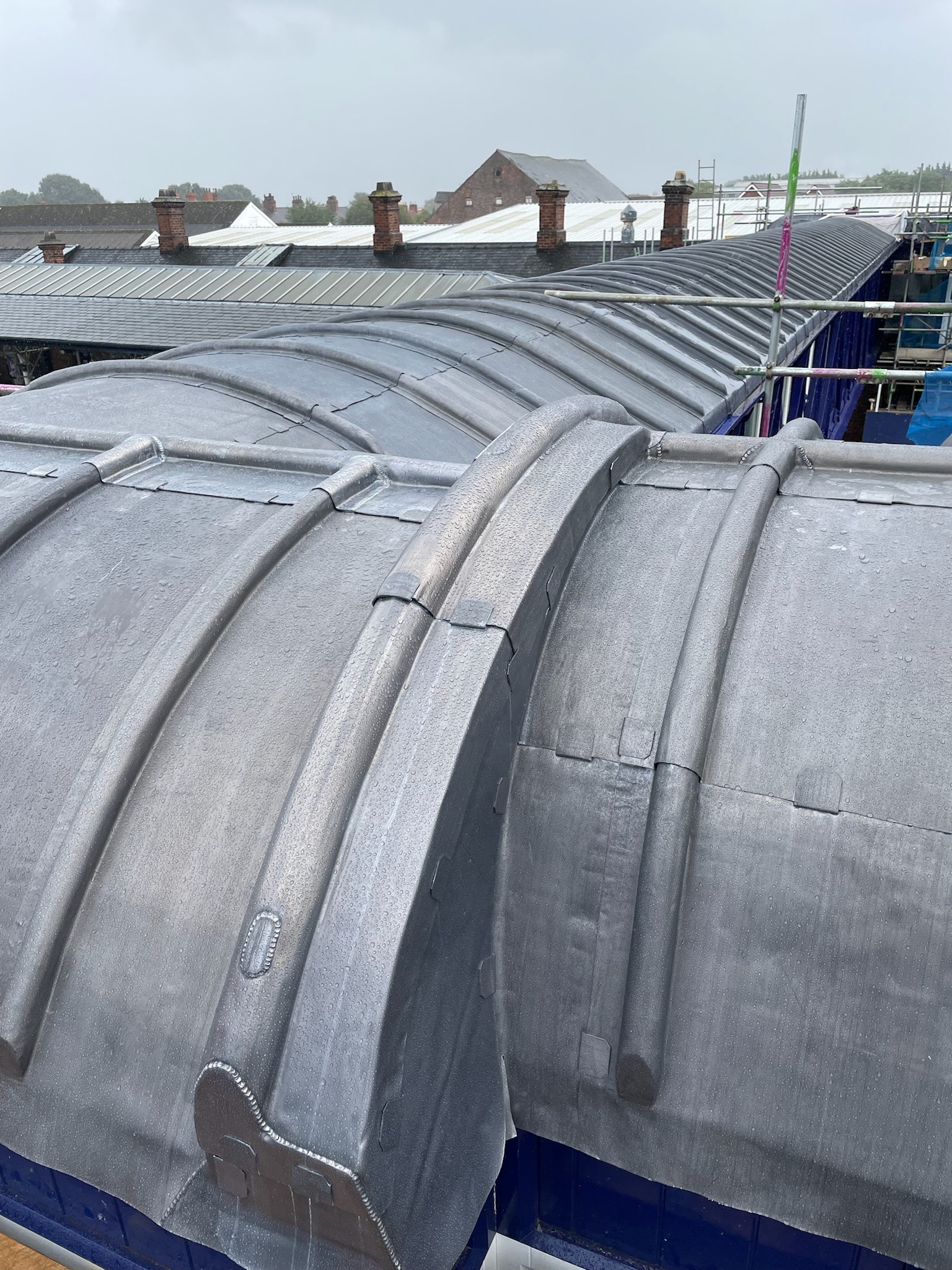
When lead is divided correctly into workable bays, it becomes an outstanding roofing material for heritage and specialist work.
Lead roof coverings
Lead sheet, when installed correctly, makes an exceptional roofing material. It has been used for centuries because it is durable, workable and visually appropriate on many traditional buildings.
For flat roofing applications, however, lead must be divided properly to allow for thermal movement. These divisions are usually referred to as bays. Timber rolls are often used to separate the bays, with the lead formed around them and made weatherproof with undercloaks and overcloaks.
The maximum length of each bay depends on the code of lead being used. If those lengths are exceeded, movement becomes excessive and the material becomes more prone to splitting or cracking. That is why leadwork standards place such emphasis on correct bay sizing.
Important: the life of a lead roof covering depends heavily on respecting movement. Oversized bays are one of the quickest ways to shorten the life expectancy of the material.
Lead gutters
Rolled lead sheet can also be installed in gutters to act as a durable weatherproof lining. It is particularly appropriate on heritage buildings and high-quality traditional work where longevity and visual compatibility matter.
As with every other lead application, thermal movement has to be considered from the outset. Lead gutter linings should be installed with steps or clearly formed bays, and the step heights need to suit the code or thickness of lead in use. In some situations, welded expansion joints may also be incorporated within the bays.
Get the detailing right and lead gutter linings can perform for decades. Get it wrong and movement will quickly expose the weakness of the detail.
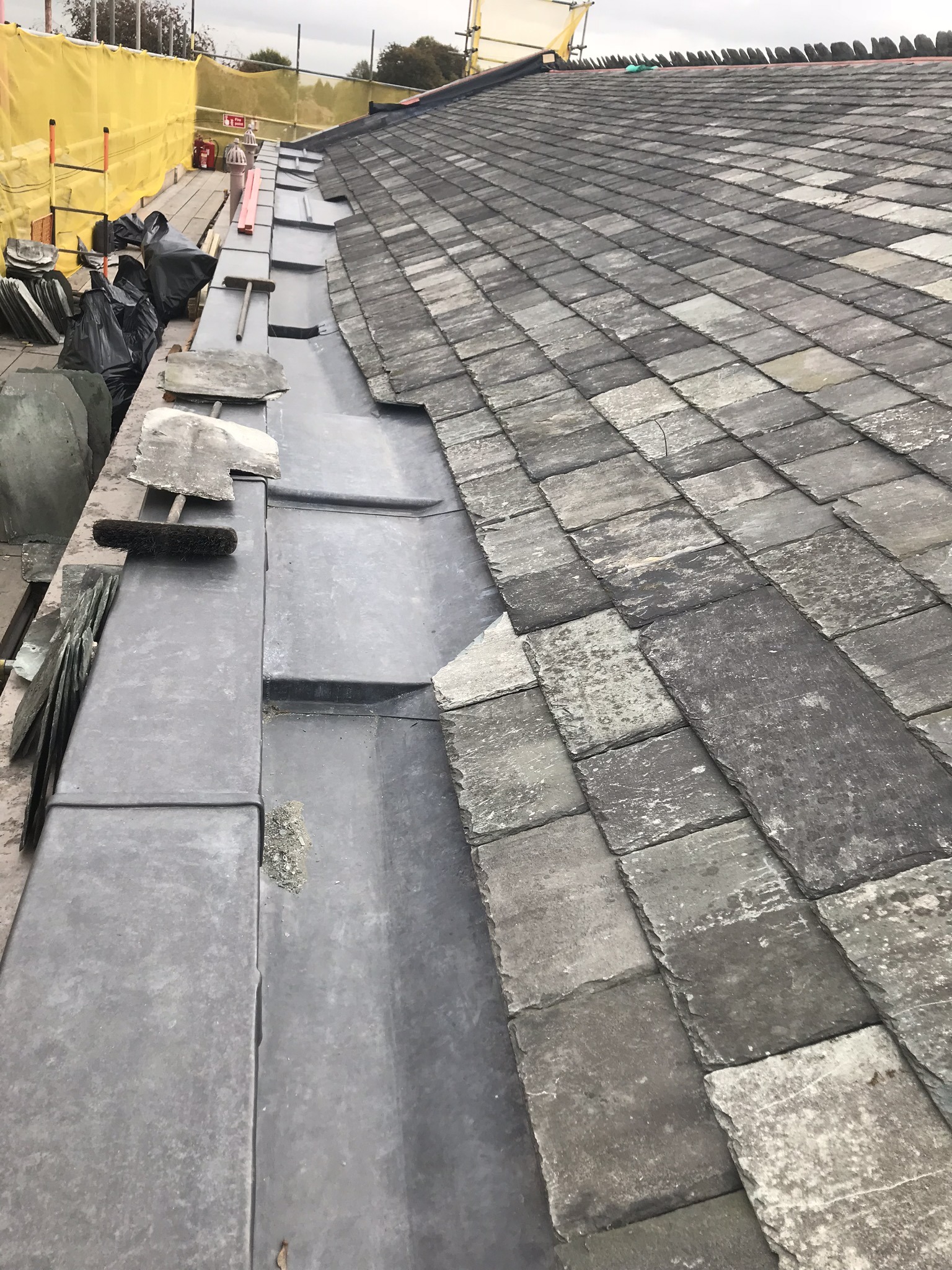
Lead gutter linings need properly considered bays, steps or expansion joints if they are to perform over the long term.
Lead can also be used very effectively for ridges and hips where a traditional, low-maintenance finish is required.
Lead hips and ridges
Lead also makes an excellent material for ridge and hip cappings. Once installed correctly, it is a very low-maintenance solution and can provide a clean, traditional finish to the roof line.
When installing lead hips or ridges, correct fixing is essential. Copper ring-shank nails are commonly used to head-fix each piece, while clips in stainless steel, copper or lead are typically used at regular intervals to secure the edges in place. Good restraint is especially important in exposed locations.
As ever, the detail should be designed around the way lead moves rather than assuming it can be fixed rigidly without consequence.
Need lead, fixings and proper support products in one place?
The strongest leadwork projects are usually the ones where the material, ancillaries and technical thinking all come together from the start.
Other uses of lead for roofing
The use of lead in roofing does not stop with flashings, roofs, gutters, ridges and hips. It is one of the most adaptable materials available for creating weathering details across a wide range of roof penetrations and heritage features.
Lead can be fabricated into custom lead slates, welded flashings around roof penetrations, cappings to chimney pots, purpose-made outlets and even heritage-style rainwater components. That versatility is one of the main reasons lead remains so highly valued in traditional and specialist roofing work.
Custom lead slates
Used around pipes, vents and other penetrations where a neat, durable weathering detail is needed.
Chimney details
Lead can be formed into cappings and associated details where traditional masonry or pot work requires careful weathering.
Heritage rainwater elements
On specialist projects, fabricated lead components can also support sympathetic restoration work.
Where to buy roofing lead
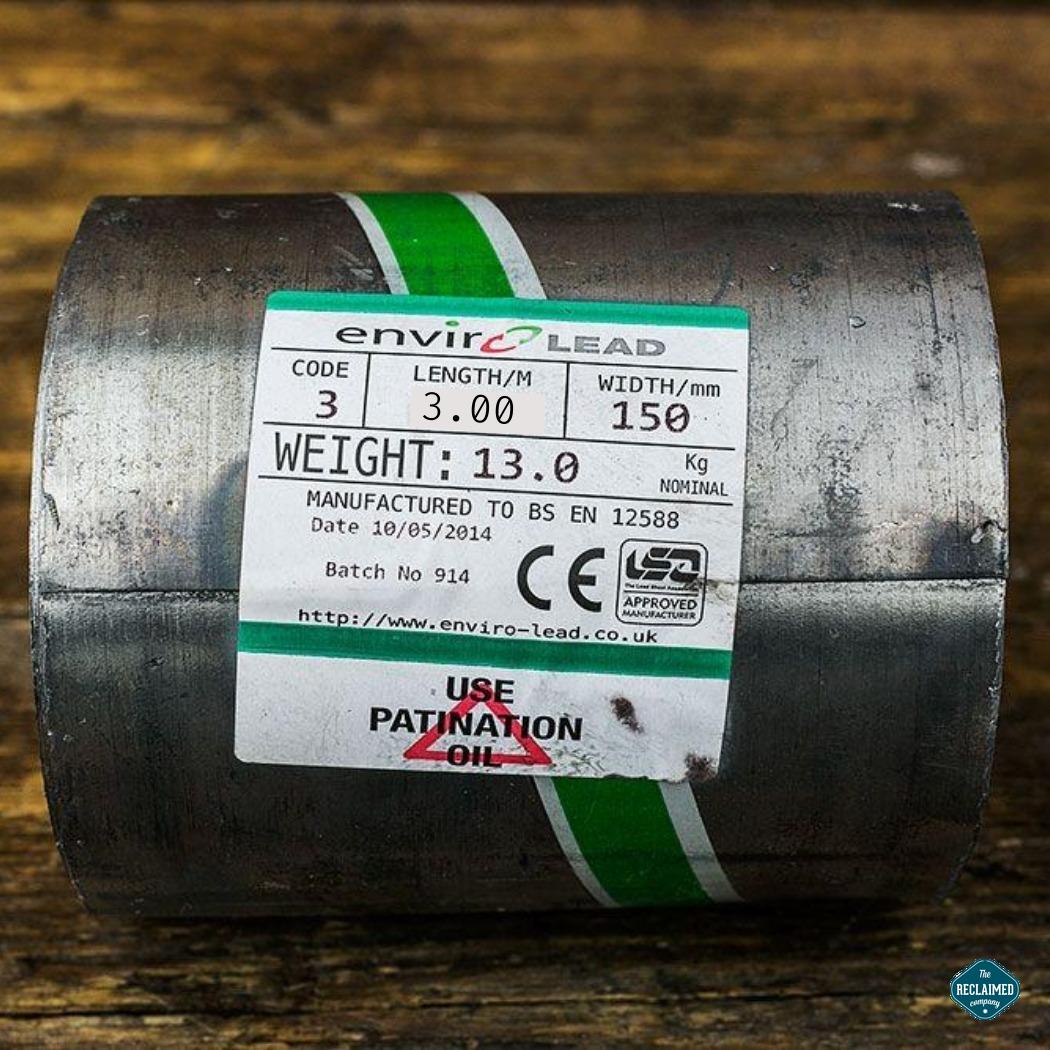
The Reclaimed Company supplies lead for roofing and can collate full lead flashing orders for projects of varying scale. Whether the requirement is modest domestic repair work or pallet quantities for national delivery, the supply process is shaped around what roofers and contractors actually need on site.
Stock levels are generally strong across the most commonly used codes, particularly Code 3, Code 4, Code 5 and selected Code 6 lead. If the exact item is not visible online, a quotation can still be prepared for the project.
Project support: if you cannot find exactly what you need online, use the contact route on the site for a project-specific quotation rather than trying to substitute the wrong code or accessory.
Why The Reclaimed Company stocks lead
Lead is widely regarded as one of the most environmentally responsible traditional building materials because it is fully recyclable and, when installed correctly, offers a very long service life. That makes it a sensible material both practically and environmentally.
The decision to stock lead also reflects the fact that many customers operate within the roofing sector every day. For that reason, The Reclaimed Company supplies not only reclaimed roofing materials, but also carefully selected new products that sit naturally alongside the work those customers already undertake.
This approach creates a more useful and more coherent supply model. Reclaimed slates, reclaimed tiles and associated roofing products can all be supported by the lead, fixings and sundries needed to complete the project properly.

Strong stockholding and practical product knowledge make lead supply easier for roofing professionals and heritage projects alike.
