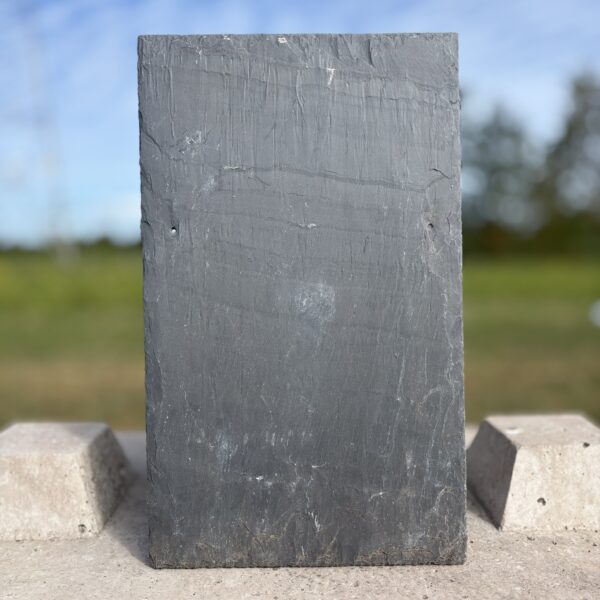
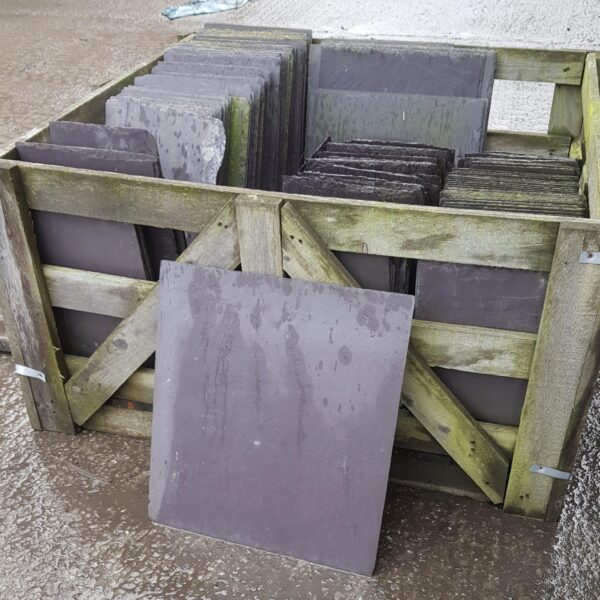
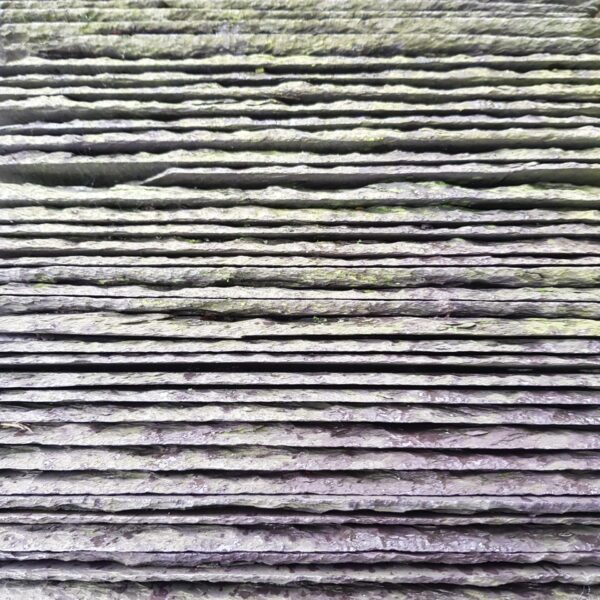
Welsh slate is renowned for quality and durability, are sourced from historic quarries such as Penrhyn, Cwt-y-Bugail, and Ffestiniog.
Penrhyn Quarry, located in Bethesda, produces some of the world’s finest purple slates.
Cwt-y-Bugail Quarry, known for its blue-grey slates, offers exceptional longevity and a distinctive aesthetic.
The production of Cwt-y-Bugail slates involves meticulous craftsmanship and rigorous quality control, ensuring each slate’s superior performance and uniform appearance. Their natural beauty and robustness make them ideal for various applications, including roofing, cladding, and flooring.
Ffestiniog
Ffestiniog, famous for its dark blue-grey slates, has been a significant source of roofing material since the 19th century.
The extraction and production processes of Ffestiniog slates involve meticulous craftsmanship, ensuring that each slate meets high standards of consistency and performance. Their natural aesthetic appeal and robust nature make them suitable for both traditional and contemporary architectural projects.
Conclusion
Welsh slate is celebrated for natural beauty, robustness, and enduring legacy in traditional and contemporary architecture.
Welsh roofing slate is renowned worldwide for its exceptional quality, durability, and aesthetic appeal. Sourced primarily from quarries in North Wales, such as those in Blaenau Ffestiniog and Penrhyn, this slate has been a preferred material for roofing for centuries.
The geological formation of the slate, which dates back to the Cambrian period, ensures its fine-grained texture and uniform composition, making it highly resistant to weathering and environmental factors.
Welsh slate looks equally at home on traditional structures and listed buldings as it does on more contemporary modern buildings mixed with complimentary materials like zinc.