

Welsh Roof Slates
Welsh Slate Quarries | #1 Ultimate Guide

Jun
Welsh slate quarries
Exploring the Main Welsh Slate Quarries Still Working Today
Welsh slate quarries have formed an important part of local economic life for centuries. Their output helped shape towns, transport links, working communities and the wider reputation of Wales as a global source of premium roofing slate.
This guide looks at the three principal Welsh slate quarries still associated with production today: Penrhyn, Cwt-y-Bugail and Ffestiniog. It also briefly acknowledges Dinorwig, which remains historically important but is no longer operational as a producing quarry.
Welsh slate has been used for roofing for generations, and the quarrying tradition in North Wales remains one of the most important chapters in the story of British roofing materials. Even today, the surviving quarries continue to influence the local economy, the heritage sector and the wider architectural market.
That matters because Welsh slate is not simply a building product. It is also a material with provenance, regional identity and long-term technical credibility. When clients, architects and roofers specify Welsh slate, they are usually buying into all three.
This article focuses on: Penrhyn, Ffestiniog and Cwt-y-Bugail as the three main active Welsh slate sources, while also taking a short look at Dinorwig as a quarry of major historic importance.


The Importance of Welsh Slate to the Local Economy
For centuries, slate quarrying supported communities across North Wales through direct employment, transport networks, engineering, processing and export activity. In the 19th century especially, Welsh slate became a major economic force, and the quarry districts developed strong industrial identities around it.
Although the sector no longer operates on the same scale it once did, the remaining quarries still matter. They support specialist jobs, preserve craft knowledge, contribute to conservation-led construction and reinforce Wales’ international reputation for quality roofing slate.
Employment
Quarrying, processing, grading, transport and technical support all continue to create skilled work in the region.
Heritage value
Welsh slate remains central to conservation projects and helps maintain the authenticity of historic buildings.
Regional identity
The quarry landscape is woven into the cultural and industrial story of North Wales.
1. Penrhyn Quarry
Penrhyn is the best known of the surviving Welsh slate quarries and, historically, one of the most significant slate operations anywhere in the world. Located near Bethesda in North Wales, it rose to extraordinary scale during the 19th century and helped establish Welsh slate as a globally respected roofing material.
Penrhyn slate is especially admired for its unique heather blue-purple appearance, fine grain and long-term durability. Because of that, it remains a premium choice for both restoration work and new high-quality roofing projects.

Penrhyn remains one of the defining names in Welsh slate and continues to shape expectations around quality roofing slate.
History and scale
Slate extraction at Penrhyn dates back centuries, but the quarry reached its historic peak during the Industrial Revolution. At that point it employed thousands of workers and exported huge quantities of slate around Britain and far beyond.
Economic impact
Penrhyn had a profound effect on the surrounding area. It supported families, infrastructure, trade and industrial growth, while also leaving a lasting mark on the culture and built environment of Bethesda and the surrounding districts.
Modern significance
Today Penrhyn continues to produce slate and remains one of the most recognisable quarry names in the world. Its ongoing output helps sustain Welsh slate’s standing in both the heritage and premium roofing markets.
Why it matters: Penrhyn is not simply a historic quarry. It remains a living part of the Welsh slate story and one of the most influential names in roofing slate specification.
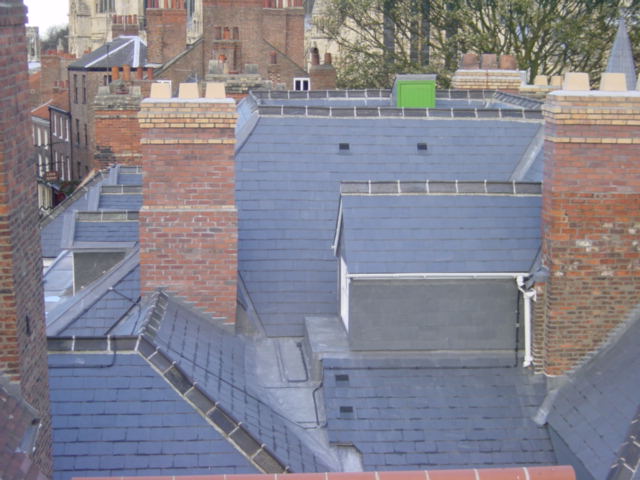
Welsh slate remains highly relevant for premium roofing and conservation-led work across the UK.
2. Cwt-y-Bugail Quarry
Cwt-y-Bugail is a major name in the current Welsh slate landscape. Situated near Blaenau Ffestiniog, it produces dark blue-grey slates with occasional white veining and a more expressive natural texture than some of the other Welsh slate types.
That visual character makes Cwt-y-Bugail particularly interesting where a roof needs to read as obviously natural and geologically rich. It has strong appeal in both heritage work and premium new design.
Historical overview
The quarry developed during the 19th century as the wider Welsh slate industry expanded. Although it may not have the same global fame as Penrhyn, it has long played an important role in the production of quality Welsh roofing slate.
Operational character
Cwt-y-Bugail has historically worked in a rugged and dramatic part of Snowdonia. That setting, together with the nature of the slate itself, has helped give the quarry a strong identity within the Welsh slate sector.
Economic and cultural role
The quarry has contributed to employment and industrial continuity in the Blaenau Ffestiniog area while also reinforcing the local relationship between landscape, labour and slate production. Its presence forms part of the broader slate heritage of the region.
Today, Cwt-y-Bugail slate remains highly respected for roofing use, particularly where designers and contractors want a slate that feels natural, durable and visually distinctive.
Three active names, three different slate identities
Penrhyn, Cwt-y-Bugail and Ffestiniog all sit under the Welsh slate umbrella, yet each produces a slate with its own colour, texture and roofing character.
3. Ffestiniog Quarry
Ffestiniog is another core name within Welsh slate production and heritage. The area around Blaenau Ffestiniog became one of the great slate landscapes of Wales, with quarrying activity shaping the economy, settlement pattern and transport systems of the district.
Ffestiniog slate is known for its smooth riven texture and refined dark blue-grey appearance. When laid well, it can produce a roof of remarkable discipline and elegance.
Ffestiniog slate is often admired for its smooth texture and composed visual effect on the roof slope.
Historic role
The Ffestiniog area became a major slate-producing district in the 19th century, with quarrying and transport infrastructure closely linked. The famous Ffestiniog Railway remains one of the best-known symbols of that industrial heritage.
Economic impact
Like the other quarry districts, Ffestiniog depended heavily on slate. Quarrying supported livelihoods, stimulated local trade and transformed the region into a major industrial landscape.
Current relevance
Following periods of closure and change, Ffestiniog slate has re-entered conversation as demand for premium Welsh slate continues. Its return matters not only commercially, but also culturally, because it reconnects present-day production with one of the great quarrying legacies of North Wales.
Dinorwig | Historically Important, Not Operational
Dinorwig deserves mention even though it is not one of the current producing Welsh slate quarries. Located near Llanberis, it was once one of the most important slate quarries in the world and had an enormous influence on the industrial and social life of North Wales.
Its galleries, transport systems and dramatic setting remain deeply significant in the history of Welsh slate. Today, Dinorwig survives as an industrial heritage landscape rather than an active producing quarry.
In heritage terms, Dinorwig still matters enormously. It helps explain the scale, ambition and cultural reach of the Welsh slate industry, even if it no longer contributes to present-day production.
Environmental and Social Legacy
The Welsh slate industry shaped more than roofs. It also shaped landscapes, communities and regional identity. Quarrying altered topography, generated spoil tips and required major transport solutions. At the same time, it created settlements, schools, trade and shared industrial culture.
Today, that legacy is visible in both the built environment and the continuing pride attached to Welsh slate. The remaining quarries sit within that wider story and help carry it forward.
Landscape
The quarry districts changed the mountains physically and permanently, leaving dramatic industrial terrain.
Community
Generations of families were tied to quarrying, making slate central to local memory and identity.
Tourism and heritage
Railways, museums and quarry landscapes now help preserve and interpret the Welsh slate story.
The enduring reputation of Welsh slate rests on quality, longevity and the strength of its quarrying heritage.
Conclusion
The surviving Welsh slate quarries continue to matter far beyond simple material supply. Penrhyn, Cwt-y-Bugail and Ffestiniog are all part of an ongoing story that connects geology, labour, architecture and regional identity.
Each quarry produces a slate with its own visual and technical character. Together, they sustain the continuing relevance of Welsh slate in the modern roofing market while also preserving a direct link to one of Britain’s great industrial traditions.
For the local economy, that means continued specialist employment, sustained heritage value and an ongoing role in high-quality construction. For the wider market, it means access to some of the most admired natural roofing materials in the world.
