

Welsh Roof Slates
Ffestiniog Roof Slates | #1 Ultimate Guide

Jun
Ffestiniog roof slates
The Comprehensive Guide to Ffestiniog Roof Slates
Ffestiniog roof slates are among the most respected roofing materials in the world. They are valued for their fine grain, elegant dark blue-grey appearance, impressive longevity and deep connection to the industrial and architectural history of North Wales.
This guide explores the history, characteristics, applications and long-term appeal of Ffestiniog slate, while also explaining why it continues to matter to homeowners, architects, conservation specialists and roofing contractors today.


Introduction
Ffestiniog roof slates come from one of the most important slate-producing regions in Wales. Their reputation rests on a combination of visual refinement, proven durability and strong historical pedigree. For that reason, they remain a highly attractive choice for both restoration projects and premium new roofing work.
When laid properly, Ffestiniog slate can create a roof slope of remarkable order and precision. The fine grain, subtle texture and composed colour palette give it a level of visual discipline that has long appealed to architects and roofers alike.
Why it matters: Ffestiniog slate is not simply a roofing product. It is part of the wider Welsh slate story, and that gives it both technical credibility and cultural weight.
Historical Background
The origins of Ffestiniog slate
The slate industry around Blaenau Ffestiniog developed into one of the defining industrial landscapes of North Wales. What had once been a relatively small upland community became a major centre of quarrying, processing and transport as demand for roofing slate expanded during the 19th century.
The growth of the quarry district
Several important workings operated in and around the Ffestiniog area, including the famous Oakeley Quarry. During the height of the slate industry, the district employed large numbers of workers and exported Welsh slate widely across Britain and overseas.
The development of the Ffestiniog Railway was especially important because it made large-scale movement of slate far more efficient. That infrastructure helped transform local production into a globally recognised industry.
Characteristics of Ffestiniog Slate
Ffestiniog slate is especially admired for its dark blue-grey appearance and fine-grained structure. It reads as elegant rather than coarse, and that makes it particularly appealing where a roof needs to feel orderly, high quality and architecturally composed.
Although natural slate always contains variation, Ffestiniog often presents as more visually refined than some heavier or more dramatically textured alternatives. That is one of the reasons it remains so highly regarded.
Ffestiniog slate is known for a fine grain and a smooth, composed appearance on the finished roof slope.
Physical properties
- Colour: typically dark blue-grey, often with a refined and elegant finish.
- Texture: fine grained, smooth to the touch yet naturally expressive.
- Thickness range: commonly supplied in a range of grades depending on project needs.
- Durability: highly resistant to weathering, making it suitable for long-life roofing applications.
Performance qualities
- Water resistance: natural slate performs strongly when properly selected and laid.
- Fire resistance: slate is non-combustible, which adds another practical advantage.
- Long service life: quality Welsh slate can last for generations when installed and maintained correctly.
Applications of Ffestiniog Roof Slate
Ffestiniog slate suits a wide range of roofing and architectural applications. It is particularly strong where appearance matters, where authenticity matters, or where a project requires a material with proven life expectancy.
Residential roofing
Well suited to period homes, quality new builds and houses where a refined natural slate finish is preferred.
Heritage projects
Frequently specified for restoration work where Welsh provenance and visual credibility are important.
Architectural features
Also suitable for walling, cladding and design-led work where natural stone character adds value.
Because Ffestiniog slate carries both technical and cultural authority, it tends to sit comfortably in conservation-led settings while still working beautifully on contemporary buildings.
Where specialist installation is required, a contractor with proven experience in slating should always be preferred.
Welsh slate remains one of the best roofing materials available
For projects that demand visual quality, long service life and genuine material heritage, Ffestiniog slate remains an outstanding option.
Market Dynamics
Pricing
The cost of Ffestiniog slate varies depending on size, grade, thickness, sorting and availability. As with all premium natural roofing materials, supply conditions and project type play a major role in final cost.
Availability
Availability can shift over time depending on quarry output, demand and the broader Welsh slate market. That is one reason buyers should work with suppliers who understand the product properly and can advise on selection, matching and alternatives where needed.
Practical point: when slate quality and appearance matter, buying purely on headline price is rarely the right approach. Grade, consistency and sourcing support matter just as much.
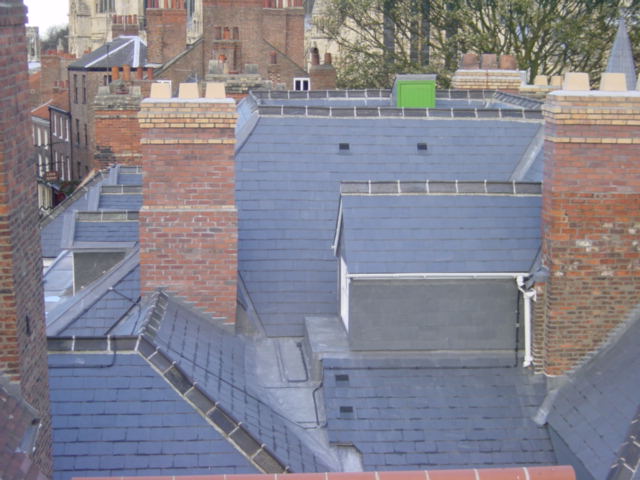
Ffestiniog slate works especially well where a roof must feel authentic, durable and visually composed.
Installation and Maintenance
Ffestiniog slate deserves good installation practice. Even the best roofing slate will underperform if battening, fixing, detailing and coursing are handled poorly. By contrast, when it is laid by skilled hands, the material can achieve exceptional results.
Installation should always consider gauge, lap, fixing method, pitch suitability and the overall visual rhythm of the roof slope. Maintenance thereafter is usually limited to sensible inspection, occasional replacement of isolated failures and keeping rainwater goods functioning properly.
Key maintenance principles
- Regular inspection: check for slipped, cracked or damaged slates.
- Prompt repairs: deal with isolated failures before they lead to wider problems.
- Clear gutters and outlets: good water management supports roof longevity.
- Respect the material: avoid aggressive cleaning methods that may do more harm than good.
Environmental Impact
Natural slate remains one of the strongest roofing choices from a long-term sustainability point of view. Its service life is long, it does not depend on high-turnover replacement cycles, and it avoids many of the issues associated with short-life synthetic products.
Ffestiniog slate also benefits from the wider credibility of Welsh slate as a premium natural roofing material with a proven track record. For clients who value durability, authenticity and responsible long-life construction, that matters.
Long life
A long service life means fewer replacement cycles and less waste over time.
Natural material
Slate is a genuine geological product rather than a short-life manufactured imitation.
Reuse potential
Quality slate can often be reclaimed and reused when buildings are altered or repaired.
Challenges and Future Outlook
The Ffestiniog slate story, like the wider Welsh slate story, sits between heritage and modern demand. The market faces challenges including variable output, competition from cheaper synthetic alternatives and the need for skilled labour to install slate correctly.
Even so, the long-term outlook remains strong where clients continue to value durable natural materials, where restoration work requires authenticity, and where better-informed buyers recognise the false economy of short-life substitutes.
As sustainability, conservation and material quality become more important again, high-grade Welsh slate should remain central to serious roofing work.
