

galvanised water tanks
Reclaimed Metal Water Tanks | The Ultimate Guide
Jun
Old is new to someone
The Ultimate Guide to Reclaimed Galvanised Water Tanks
Reclaimed galvanised water tanks combine utility, heritage character and upcycling potential in one striking product. Whether you are looking for a tank for water storage, landscaping, planting or a more creative reuse project, these robust pieces of salvage still have plenty to offer.
Galvanised
Perfect for upcycling outdoors.
Riveting
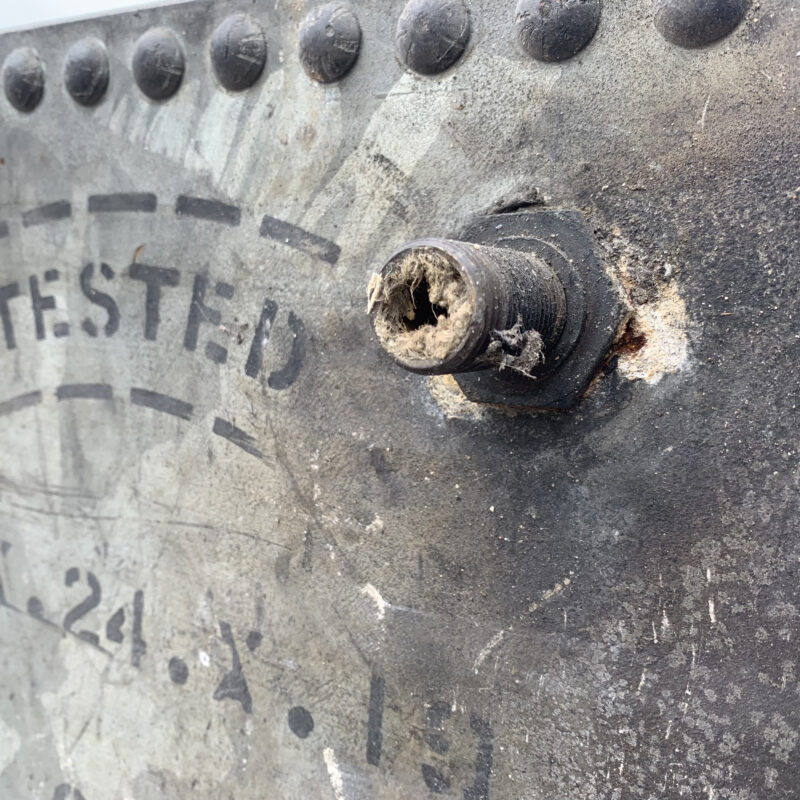
Galvanised salvage
Introduction
Reclaimed metal tanks, often referred to as galvanised water tanks, are becoming increasingly popular in both residential and commercial settings. Their durability, rustic appearance and adaptability make them useful not only for practical storage, but also for landscaping, planting and creative reuse projects.
In this guide, we cover the history of galvanised water tanks, their main benefits, the different ways they can be used, how to source them, what to check before buying, and how to keep them in good condition over time.
History of Galvanised Water Tanks
The Origin of Galvanisation
Galvanisation is the process of applying a protective zinc coating to steel or iron in order to reduce corrosion. The method is named after the Italian scientist Luigi Galvani and has been in widespread use since the 19th century. In most cases, the process involves hot-dip galvanising, where the metal is submerged in molten zinc to create a highly durable outer layer.
Evolution of Water Tanks
Water storage has always been essential to domestic, agricultural and industrial life. Earlier systems relied on clay vessels, timber containers and masonry reservoirs. However, once galvanised steel became more accessible, water tanks became tougher, more reliable and far more widespread.
As a result, galvanised tanks became a common sight across farms, workshops, rural properties and industrial yards. Today, reclaimed examples offer not only practical reuse value, but also a distinctive aesthetic that is difficult to replicate with new products.
Benefits of Reclaimed Galvanised Water Tanks
Environmental Sustainability
One of the clearest benefits of reclaimed galvanised water tanks is their sustainability value. By reusing existing metalwork, you reduce waste, avoid unnecessary manufacturing demand and extend the life of a robust, serviceable product.
Durability and Longevity
Galvanised tanks are well known for their strength and corrosion resistance. Because the zinc coating protects the steel beneath, these tanks can last for decades, even in exposed conditions.
Aesthetic Appeal
Reclaimed galvanised water tanks also bring a distinctive industrial and agricultural charm. Their aged finish works especially well in gardens, courtyards, barn conversions and design-led outdoor spaces.
Versatility
Perhaps most importantly, these tanks are extremely versatile. They can be used for storage, planting, rainwater harvesting, decorative installations and even furniture or water feature projects.
Old is new to someone
That is exactly why reclaimed galvanised tanks are so appealing. They are practical, full of character and ideal for reuse across gardens, homes, farms and commercial spaces.
Uses of Reclaimed Galvanised Water Tanks
Water Storage
The most obvious use is still water storage. Depending on condition and setup, reclaimed tanks can be used in:
- Agriculture: for irrigation and livestock watering
- Residential settings: for household or garden water storage
- Emergency backup supply: particularly in rural locations or drought-prone areas
Rainwater Harvesting
Rainwater harvesting systems continue to grow in popularity as part of more sustainable water management. Reclaimed galvanised tanks are often ideal for this because they are durable, characterful and can usually be adapted with relative ease.
Gardening and Landscaping
These tanks also work exceptionally well as large planters or raised beds. Their scale makes them suitable for everything from flowers and shrubs to vegetables and small trees. As a result, they have become popular in both private gardens and commercial outdoor schemes.
Decorative and Functional Furniture
Creative homeowners, landscapers and designers have also repurposed old tanks into seating, tables, sinks and even baths. In those settings, the tank becomes more than a container; it becomes a design feature.
Sourcing Reclaimed Galvanised Water Tanks
Where to Find Them
Reclaimed galvanised water tanks can be sourced from a number of places, including:
- Farms and rural properties: where older tanks are often left unused
- Demolition and strip-out sites: where old service items are being removed
- Specialist salvage yards: especially those dealing in industrial or agricultural salvage
- Online marketplaces: including specialist reuse platforms and salvage listings
What to Look For
When buying a reclaimed tank, check the following carefully:
- Condition: inspect for rust, perforation, distortion or structural damage
- Size: make sure the tank dimensions suit your intended use and access requirements
- History: where possible, understand what the tank was originally used for before reusing it, especially if water storage is the goal
Cost Considerations
Prices can vary significantly depending on size, condition, age and visual appeal. Generally, reclaimed tanks offer better value than new fabrication, although transport, lifting and any repair work should always be factored into the budget.
Installation and Setup
Preparing the Site
Before installation, make sure the site is level, stable and suitable for the eventual load. Larger tanks may need a compacted base, gravel bed or concrete slab to prevent movement, sinking or uneven support.
Connecting to Water Systems
If the tank is being used for water storage or rainwater harvesting, it should be connected using the correct fittings, valves and hoses. All connections should be secure, and any filtration or overflow arrangement should be planned at the outset.
Safety Considerations
- Structural Integrity: confirm the tank is strong enough for the intended load
- Anchoring: secure it where movement or tipping could be a risk
- Access: allow sufficient room for maintenance, cleaning and inspection
Maintenance and Care
Regular Inspections
Inspect tanks periodically for signs of wear, corrosion or damage. Early action can prevent bigger repair issues later and help prolong the tank’s useful life.
Cleaning
Where tanks are being used for water storage, internal cleaning is essential. Remove sediment and debris periodically and rinse thoroughly after any cleaning process.
Rust Prevention
Although galvanised tanks resist corrosion well, they are not indestructible. Therefore, if they are exposed to heavy weathering or prolonged moisture, a protective treatment or appropriate paint system may provide additional reassurance.
Creative and Innovative Uses for Reclaimed Metal Tanks
Planters and Raised Beds
One of the most popular reuse routes is converting tanks into planters or raised beds. Their size and form make them especially effective for vegetables, flowers and statement planting schemes.
Outdoor Furniture
With some imagination and practical fabrication, reclaimed tanks can also be transformed into benches, tables, sinks or storage features that carry real visual impact.
Water Features
In addition, galvanised tanks can be repurposed into ponds, troughs or decorative water features. When sealed and adapted correctly, they can become a strong focal point within a garden or courtyard design.
Case Studies and Examples
Agricultural Applications
On farms, reclaimed galvanised tanks continue to be used for irrigation and livestock watering because they remain reliable in harsh outdoor environments.
Urban Gardening
In urban settings, reclaimed tanks are often used in rooftop gardens, courtyards and community growing spaces. Their height can also make them more accessible for some users.
Eco-Friendly Homes
For eco-led residential projects, reclaimed tanks often sit comfortably within rainwater harvesting and low-impact landscaping strategies, aligning practicality with sustainability.
