

informative posts, Welsh Roof Slates
The Cost of Welsh slates In The UK | A Comprehensive Guide
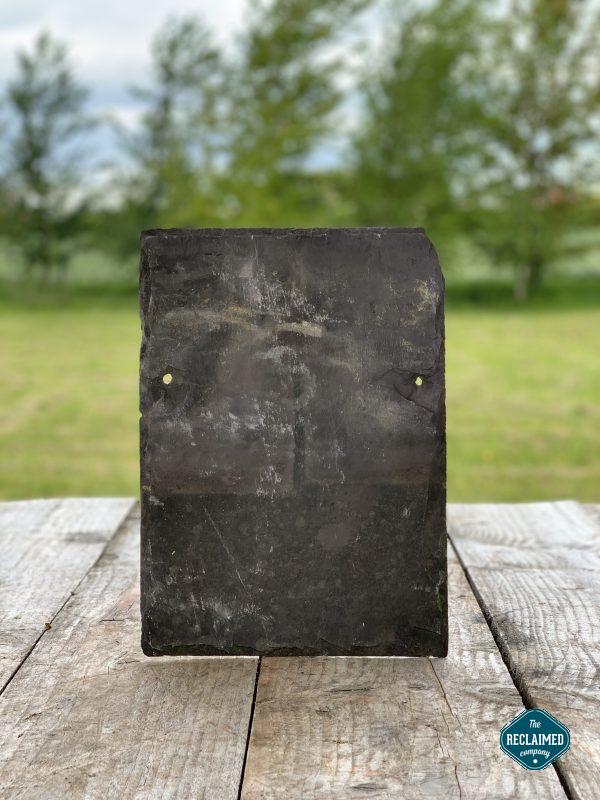
Jun
The cost of Welsh slates has always been higher than some alternatives. However, the product is superior in many ways. The value obtained from installing a Welsh slate roof far exceeds the initial outlay, especially over time.
A few key benefits include:
- Longevity.
- Aesthetics.
- Function.
- Environmental impact.
Natural slate pricing
The Cost of Welsh Slates in the UK | A Comprehensive Guide
Introduction
Welsh slate is renowned for its durability, quality and aesthetic appeal, which is why it remains one of the most sought-after roofing materials available in the UK. This guide explores the cost of Welsh slates, the main factors affecting price, and where to buy them, with particular focus on The Reclaimed Company as a trusted supplier of both reclaimed and new slate products.
The Appeal of Welsh Slate
Welsh slate has been used for centuries because of a combination of technical performance and visual quality that many roofing materials still struggle to match.
- Durability: Welsh slate is known for its long lifespan, often exceeding 100 years, with strong resistance to weathering, frost and acidic conditions.
- Aesthetic: Its natural blue-grey character gives roofs a refined and timeless appearance.
- Sustainability: As a natural material, slate performs well environmentally. Reclaimed Welsh slate adds another layer of value by reducing the need for fresh extraction.
Types of Welsh Slate
Welsh slate can broadly be divided into new and reclaimed products, each of which has its own advantages and cost profile.
- New Welsh Slate
- Sourced directly from quarries, new Welsh slates offer consistent grading, dependable thickness ranges and formal product uniformity. The best-known quarrying regions include North Wales, especially Penrhyn and Cwt-y-Bugail.
- Reclaimed Welsh Slate
- Reclaimed slates are salvaged from older roofs and buildings. As a result, they can vary more in size and condition. Even so, they are often ideal for restoration work, matching exercises and projects where authentic age and character matter.
Practical point: if you are repairing or extending an older roof, reclaimed Welsh slate is often the smarter visual choice. If, by contrast, you need tighter dimensional consistency, new Welsh slate may be the better fit.
Factors Affecting the Cost of Welsh Slate
Several variables influence the cost of Welsh slate in the UK, whether you are buying new or reclaimed material.
- Source and Quality
- Slates from highly regarded North Wales sources generally command stronger prices. In addition, better grades with cleaner appearance and higher consistency also push costs upward.
- Size and Thickness
- Standard sizes and common thicknesses are usually easier to source and therefore more economical. Larger, heavier or more unusual sizes tend to cost more.
- Condition
- For reclaimed Welsh slate especially, condition matters. Cleaner slates with less damage, minimal weathering and better nail-hole integrity will normally sit at the top end of the range.
- Quantity and Availability
- Larger orders can sometimes attract better pricing. However, rarer sizes or high-quality matching batches can be harder to source and therefore cost more.
- Transportation and Handling
- Slate is heavy, so delivery costs can have a significant effect on the overall price. Reclaimed material may also involve more sorting and preparation before dispatch.
Looking for Welsh slate with the right ancillaries?
Alongside slate itself, the surrounding details matter. Build your roof properly with matching products, sound fixing choices and the correct leadwork components.
The Cost of New Welsh Slate
New Welsh slate prices vary according to grade, size, finish and source. Approximate ranges include:
Penrhyn Welsh Slate
- Standard Grade: £2.50–£4.50 per slate
- Approx. square metre rate: £40–£70 per m²
- Best Grade: £4.50–£6.50 per slate
- Approx. square metre rate: £70–£100 per m²
Cwt-y-Bugail Welsh Slate
- Standard Grade: £2.75–£4.75 per slate
- Approx. square metre rate: £45–£75 per m²
- Best Grade: £5.00–£7.00 per slate
- Approx. square metre rate: £80–£110 per m²
These figures are indicative rather than fixed. Actual pricing will vary depending on current supply, specification and project size.
The Cost of Reclaimed Welsh Slate
Reclaimed Welsh slate is often more cost-effective than new material, although premium reclaimed batches can still command strong prices where quality and matching matter.
- Standard reclaimed Welsh slate: around £1.50–£3.50 per slate, or roughly £25–£50 per m²
- Higher-quality reclaimed Welsh slate: around £3.50–£5.50 per slate, or roughly £50–£80 per m²
For restoration work, this often represents excellent value. Not only can reclaimed Welsh slate be visually superior for matching old roofs, but it can also offer strong embodied-carbon benefits compared with freshly quarried material.
The Reclaimed Company: A Trusted Supplier
The Reclaimed Company is a reputable supplier of both reclaimed and new slate roofing materials. Their value lies not only in stock availability, but also in quality control, practical advice and the ability to supply surrounding roofing products at the same time.
- Quality Assurance
- Slates are selected and inspected to meet strong standards of quality, consistency and usability.
- Sustainability Focus
- By promoting reclaimed slate, The Reclaimed Company supports lower-waste, lower-impact building practice.
- Wide Selection
- Different sizes, grades and finishes can be sourced to suit a range of projects.
- Expertise and Advice
- Experienced input helps buyers choose the right slate type for both technical and visual needs.
- Competitive Pricing
- Good value comes not only from headline cost, but also from reduced delays, better matching and fewer mistakes.
Buying Welsh Slate: A Step-by-Step Guide
- Determine Your Needs
- Work out the size, quantity and type of slate required, then decide whether reclaimed or new material is better suited to the project.
- Research Suppliers
- Look for reputable suppliers with real stock knowledge and experience in slate roofing.
- Request Samples
- Where possible, sample the slate before committing to a large order so you can judge colour, thickness and overall character.
- Get a Quote
- Ask for detailed pricing that includes material, delivery and any ancillary items you may need.
- Place Your Order
- Confirm delivery timing, quantity and payment arrangements clearly.
- Inspect Delivery
- Check the slate on arrival for damage, variation or unexpected issues.
- Installation
- Use an experienced slate roofer to ensure the performance and lifespan of the roof justify the investment.
Contextual Roofing Details: Why Lead Soakers Also Matter
Although the headline focus is often the slate itself, a Welsh slate roof only performs properly when the surrounding details are handled well. That is especially true at abutments, chimney junctions and roof-to-wall interfaces, where water management becomes critical.
This is where lead soakers from The Lead Shop become highly relevant. On slate roofs, soakers are a core part of the weathering detail. They help control water at junctions, support longevity and preserve the finished appearance of the roof.
In other words, if you are pricing Welsh slates, it often makes sense to consider lead soakers as part of the same buying conversation. That is not just better practice from a roofing point of view; it also improves the overall specification quality of the project.
Practical takeaway: premium slate deserves premium detailing. A roof finished with quality lead soakers is far more likely to justify the cost of choosing Welsh slate in the first place.
Case Studies: Real-World Applications of Welsh Slate
To show how Welsh slate performs in practice, consider the following scenarios:
- Historic Restoration in Snowdonia
- A historic house required careful roof restoration. High-quality reclaimed Welsh slate was used to preserve the original visual character while restoring long-term durability.
- Modern Eco-Home in Cardiff
- A contemporary eco-home used new Welsh slate to combine low-maintenance performance with an elevated, natural appearance.
- Commercial Building in London
- A commercial project used reclaimed Welsh slate as part of a lower-impact procurement strategy, helping improve both sustainability and architectural quality.
Factors to Consider When Choosing Welsh Slate
- Project Type
- Restoration, extension and new-build projects all have different demands. The right slate choice depends on context.
- Aesthetic Preferences
- Welsh slate offers strong natural colour and texture. Reclaimed batches bring even more patina and character.
- Longevity and Maintenance
- Few materials match Welsh slate for lifespan, provided the roof is detailed and maintained properly.
- Budget
- Initial cost can be higher, but lifecycle value is often significantly better than with cheaper materials.
- Environmental Impact
- Reclaimed Welsh slate is particularly strong from a reuse and carbon-reduction perspective.
Steps for a Successful Welsh Slate Roofing Project
- Planning and Design
- Work through pitch, slate size, layout and overall appearance at the design stage.
- Sourcing
- Speak to suppliers early so stock and matching opportunities are not missed.
- Logistics
- Plan for delivery, storage and handling carefully. Slate is durable once fixed, but it still needs sensible treatment before installation.
- Professional Installation
- Experienced slate roofers are essential if you want the full value of the material.
- Ongoing Maintenance
- Regular inspections, clean gutters and prompt minor repairs will help preserve performance for decades.
Cost-Benefit Analysis
Although Welsh slate can appear expensive at first glance, the long-term value proposition is strong.
Technical value
- Durability: often over 100 years of service life
- Low maintenance: strong resistance to weathering, algae and general degradation
- Energy performance: good thermal characteristics within a properly designed roof build-up
Commercial and visual value
- Aesthetic quality: adds real character and prestige to the building
- Property value: often enhances perception and desirability
- Environmental benefits: especially strong where reclaimed slate is used
