

Rolled lead sheet
How Much Does Lead Flashing Cost
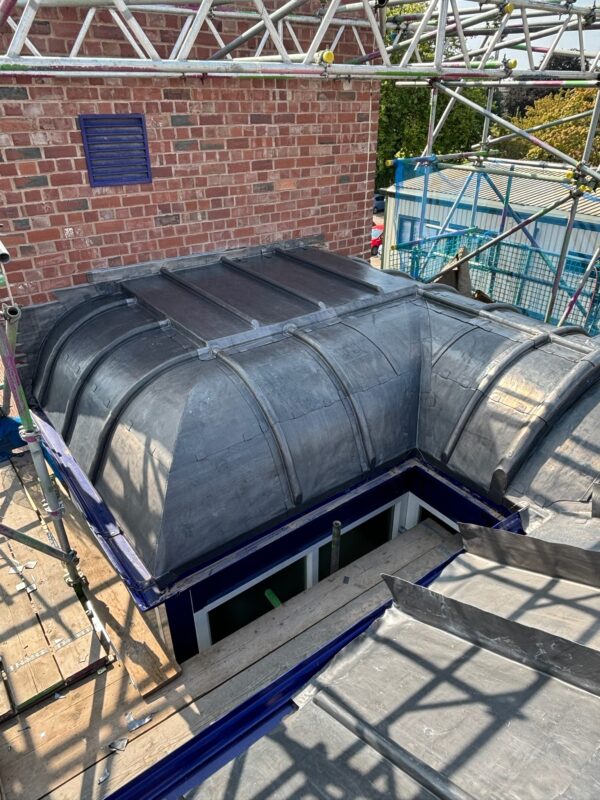
Sep
Lead for roofing
Lead Flashing Prices | How Much Does Lead Flashing Cost?
Lead appears in a wide range of roofing details, including flashings, valleys, parapets, bays and broader roof coverings. Naturally, many buyers begin with one simple question: how much does lead flashing cost? In practice, though, the answer depends on more than a single figure.
This guide explains how lead prices work, why roofing lead is sold by weight, how lead codes affect both application and cost, and why The Lead Lads Shop is a strong reference point for live UK market pricing because its rates track the LME and are continually updated to reflect current market movement.
Lead flashing prices
Use a Live Market Reference Point, Not a Static Number
Use The Lead Lads Shop as the live reference point for current UK lead rates
At first glance, lead flashing prices can seem difficult to pin down. That is understandable, because commodity movement, lead code, roll size and intended use all influence the final cost. For that reason, the most sensible buyers do not rely on a fixed headline rate. Instead, they use a trusted live reference point.
That is where The Lead Lads Shop becomes especially useful. Rather than relying on an outdated price published months ago, buyers can use the shop as a working benchmark because its prices track the London Metal Exchange and are updated to reflect the best current UK market rate.
Key point: lead is a commodity product, so static pricing ages quickly. Therefore, a live specialist shop is far more useful than a hard-coded figure in a blog post.
Why Lead Flashing Prices Move
Lead is sold by weight. As a result, roofing lead prices rise and fall with the underlying value of lead itself. In practical terms, that links roofing lead to the wider metals market, which is why pricing shifts over time rather than staying fixed.
Manufacturers then form the material into rolls or coils for roofing and cladding applications. Consequently, when buyers compare suppliers online, they are not simply comparing one roll against another. They are also comparing lead code, width, stock availability, supplier support and delivery capability.
Just as importantly, the correct code matters every bit as much as the current market rate. In other words, even the sharpest price loses its appeal if the lead is wrong for the detail.

Roofing lead is sold by weight, so market movement always matters. Even so, code selection remains just as important as headline price.
A Practical Guide to Lead Codes and Roofing Use
Roofers have used lead for centuries because it lasts, shapes well and copes with movement better than many rigid alternatives. In the UK, suppliers classify rolled lead sheet by code. Each code represents a specific thickness and weight per square metre.
However, these codes are not interchangeable. On the contrary, each one suits a particular range of roofing details. Lighter codes tend to work well for smaller flashings and soakers, whereas heavier codes suit gutters, parapets and wider roof areas.
| Lead Code | Thickness (mm) | Weight (kg/m²) |
|---|---|---|
| Code 3 | 1.32 mm | 14.97 kg/m² |
| Code 4 | 1.80 mm | 20.41 kg/m² |
| Code 5 | 2.24 mm | 25.40 kg/m² |
| Code 6 | 2.65 mm | 30.05 kg/m² |
| Code 7 | 3.15 mm | 35.72 kg/m² |
| Code 8 | 3.55 mm | 40.26 kg/m² |
Put simply, the right code gives you the right balance of weight, durability and workability. Therefore, application should lead the buying decision first, while price comparison should follow after that.

Lead sheet is only part of the system. Fixings, clips and workmanship have a direct effect on long-term performance.
Code 3 Lead: Flashings and Soakers
- Thickness: 1.32 mm
- Weight: 14.97 kg/m²
Code 3 lead is the lightest commonly used code. Because it forms easily and keeps weight down, it suits smaller weathering details particularly well.
Typical uses:
- Soakers: placed between slates or tiles and an abutting wall.
- Smaller flashings: around dormers, roof windows and modest penetrations where heavier lead would add little advantage.
Code 4 Lead: General Flashings and Valleys
- Thickness: 1.80 mm
- Weight: 20.41 kg/m²
Code 4 lead remains one of the most widely used options in domestic roofing. It offers a very practical balance between durability and handling, which is why it appears so often in everyday leadwork.
Typical uses:
- General flashings: chimneys, abutments and penetrations.
- Valleys: where two roof slopes direct higher water volume into one channel.
- Dormer details: where neat shaping and good service life both matter.
Code 5 Lead: Gutters and Parapet Walls
- Thickness: 2.24 mm
- Weight: 25.40 kg/m²
Code 5 lead provides a step up in durability. Accordingly, roofers often specify it where the detail sees more weather, more runoff or more wear.
Typical uses:
- Parapet wall flashings
- Box gutters
- Wider valleys
Code 6 Lead: Roofing and Cornices
- Thickness: 2.65 mm
- Weight: 30.05 kg/m²
Code 6 lead is heavier again, so it suits details where the material needs to cover broader or more exposed areas.
Typical uses:
- Flat roof coverings
- Cornices and cappings
- Lead slates around vent pipes or flues
Code 7 Lead: Heritage Roofing and Gutters
- Thickness: 3.15 mm
- Weight: 35.72 kg/m²
Code 7 lead appears more often on conservation work and heavier-duty gutter details. In those settings, the extra thickness often justifies the extra cost.
Typical uses:
- Heritage roofing
- Larger box gutters
Code 8 Lead: Heavy-Duty Roofing and Historic Restoration
- Thickness: 3.55 mm
- Weight: 40.26 kg/m²
Code 8 lead is the heaviest commonly used roofing code. Therefore, buyers usually reserve it for the most demanding details or major historic work.
Typical uses:
- Large flat roof areas
- Major historic restoration projects
Need help choosing the right lead code?
Instead of guessing, use the buying and guidance tools built by The Lead Lads. They connect product selection, application and technical understanding far more clearly.
Choose the Right Code First, Then Compare Current Rates
The correct lead code depends on the detail, the exposure level, the likely movement in the sheet and the wider building context. In many domestic jobs, Codes 3, 4 and 5 cover most flashings, soakers and valley work. By comparison, Codes 6, 7 and 8 appear more often on heavier-duty or heritage projects.
You also need to match the lead with the correct ancillary products. For that reason, the right fixings for lead matter just as much as the sheet itself.
Market movement matters
Lead prices move with the metals market, so current online rates can change quickly.
Application drives value
A strong market rate still means little when the code does not suit the roofing detail.
Installation finishes the job
Even the right lead can fail when fixings, laps or detailing are poor.
Leadwork Specialists Matter
Many people describe leadwork as an art form, and that feels fair. The material offers flexibility, yet it also exposes poor detailing very quickly. Weak laps, bad bay sizing, wrong fixings or too little allowance for movement can all shorten the life of what should have been a first-class roofing detail.
Fortunately, several UK specialists take leadwork seriously. Among them, The Lead Lads stand out because they combine product supply with strong practical guidance. As a result, buyers gain more than access to stock. They also gain a clearer route into good practice.
Some contractors treat rolled lead sheet with the care it deserves. Others do not. That contrast explains why informed buying matters so much before a project even starts.

Skilled leadworkers do far more than fit sheet metal. They shape, detail and secure the material so it performs properly for decades.
Shop the Lead Knowledge Cluster
If you want a more confident buying route, these links create a particularly useful authority cluster. Together, they support pricing research, code selection and practical understanding:
Shop the Chart
Use it to connect flashing applications with the most likely lead code more quickly.
The Lead Handbook
Use it when you want broader technical understanding before placing an order.
Lead Roofing Guides
Use them to bridge the gap between product pages and real roofing use.
Why this works: buyers who search for lead flashing prices usually also want answers on lead codes, flashing sizes, fixings and installation logic. This grouped structure supports that intent naturally and makes the whole buying journey far more useful.
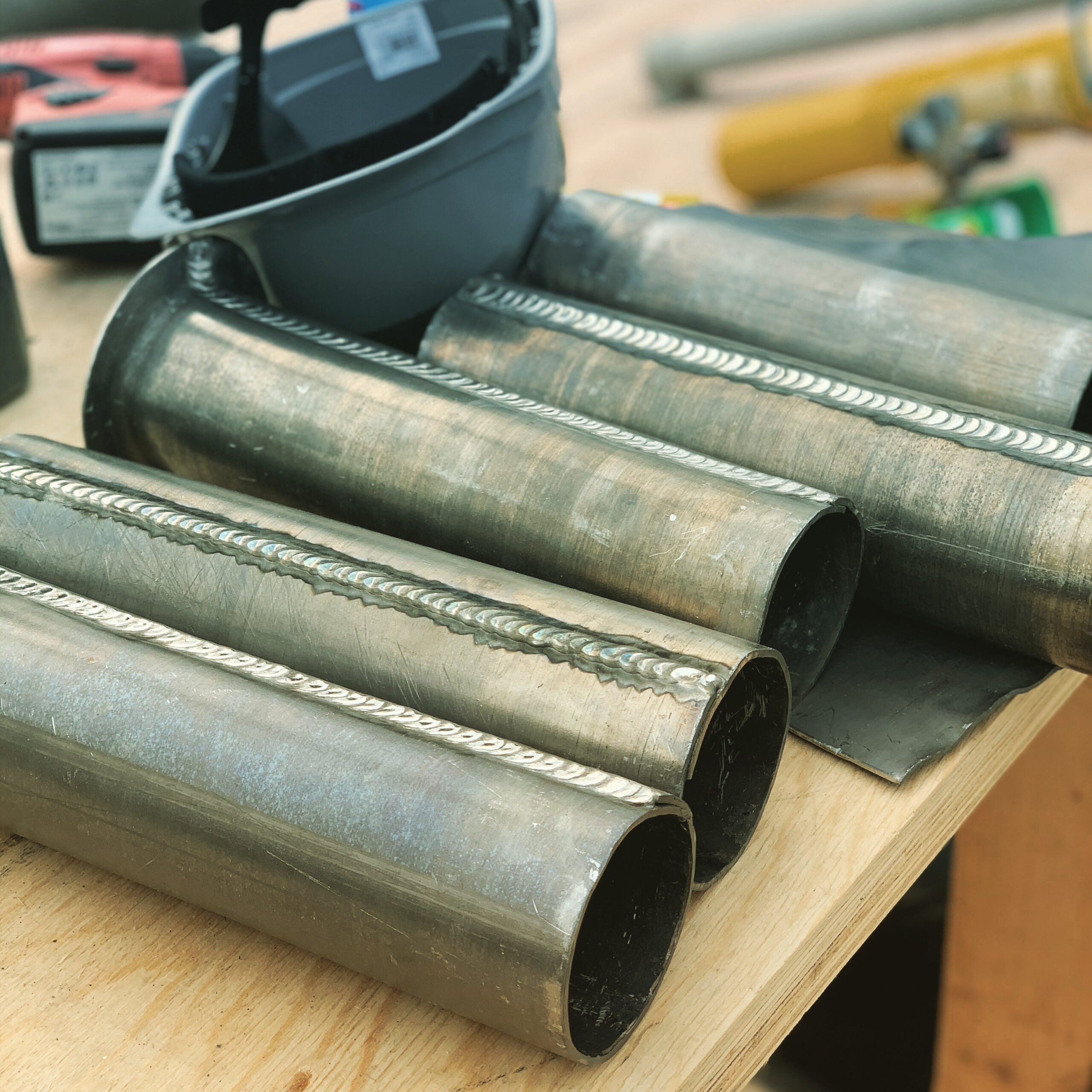
Lead remains one of the most elegant and durable weathering materials in roofing. However, it only rewards the buyer when specification and installation are both right.
Conclusion
Lead roofing endures because it combines longevity, flexibility and excellent weather resistance. Even so, the question “how much does lead flashing cost?” only becomes useful when you place it beside code, application and installation quality.
Price matters, of course. Even so, the better buying decision comes from understanding how lead is sold, which code the detail actually needs and which supplier gives you a reliable live market reference point.
From that perspective, The Lead Lads Shop is a strong benchmark. Its prices track the LME, they are continually updated to reflect the best current UK market rate, and the wider platform supports buyers with national delivery and genuinely useful technical guidance.
So, the real answer to “how much does lead flashing cost?” is not a static price written into an article. Rather, it is a process: understand the code, check the current live market rate through a specialist source, and then buy with the application firmly in mind.
