

About The Reclaimed Company, Historic Building Restoration
Reclamation Process | Salvage Like a Pro
Sep
For the planet 🌏
The Reclamation Process: How Salvage Becomes Useful Again
Reclamation processes matter because they reduce waste, preserve character and help limit the environmental burden of new manufacturing. In simple terms, old can become useful again. When people salvage, sort and repurpose building materials properly, they keep valuable resources in circulation instead of sending them to landfill.
This guide explains the reclamation process from first site inspection through to cleaning, grading, storage, resale and reuse. Along the way, it shows why reclaimed slates, bricks, timber and architectural elements still have a strong future in both domestic and commercial projects.
Old can be new
Why Reclamation Matters
Reclaiming building materials, such as roof slates, bricks, timber and architectural elements, is a practical and sustainable way to give useful materials a second life. Instead of letting these items disappear into the waste stream, reclamation allows them to move into new projects with renewed purpose.
That process is not random. On the contrary, good reclamation depends on planning, careful dismantling, sorting, cleaning and thoughtful reuse. When it is done well, the result is more than sustainability alone. Buyers also gain character, durability and materials with a story that modern mass-produced products rarely match.
In short: reclamation protects resources, reduces landfill, supports circular construction and helps preserve the aesthetic value of older materials.
The Reclamation Process at a Glance
The reclamation process usually begins long before any material reaches a yard or an online listing. First, specialists assess the site. Next, they identify what can be saved. After that, they remove the materials carefully, clean them, sort them and prepare them for storage, resale or direct reuse.
Although every project differs, the broad process remains consistent. Therefore, buyers and sellers alike benefit from understanding how the full chain works from start to finish.
Why this matters: the better the process, the better the reclaimed product. Quality salvage almost always starts with quality handling.

Good reclamation starts with recognising value before demolition turns useful material into waste.
The Reclamation Process Step by Step
Site Assessment and Planning
The process begins with a site survey. At this stage, specialists assess the building due for demolition or renovation and identify materials that can realistically be saved. That often includes bricks, roof slates, beams, doors, windows, tiles and ironwork.
- Site survey: experts inspect the condition, type and quantity of reclaimable materials.
- Material inventory: a structured list helps plan removal and estimate reuse or resale potential.
- Coordination: reclamation teams work with demolition contractors so valuable items are preserved rather than destroyed.
Careful Dismantling and Removal
Once the plan is in place, careful dismantling begins. Unlike standard demolition, which focuses on speed, selective removal focuses on preservation. That shift in mindset makes a significant difference to the quality of the reclaimed material.
- Selective demolition: only certain parts of the building are removed at a time.
- Manual removal: workers often use hand tools to lift slates, bricks, timber and decorative features with minimal damage.
- On-site sorting: as materials come off the building, teams begin grouping them by type, condition and likely reuse.
Cleaning and Restoration
After removal, the materials need attention. In many cases, old mortar, paint, debris, moss or dirt will hide the real value of the item. Therefore, cleaning is an essential stage rather than an afterthought.
- Cleaning: slates may be scrubbed, bricks chipped and timber brushed or washed down.
- Decontamination: where necessary, teams remove harmful residues such as lead paint or other contaminants under controlled conditions.
- Minor repair: cracked edges, loose sections or light damage can sometimes be repaired to improve reusability.
Sorting and Grading
Not all reclaimed materials are equal. For that reason, sorting and grading matter enormously. This is the stage that transforms a general pile of salvage into stock that buyers can actually use with confidence.
- Quality grading: materials are assessed by condition and separated accordingly.
- Size sorting: roof slates, tiles and other products often need grouping by dimension.
- Colour and texture matching: visible materials may be sorted for a more consistent finished appearance.
Storage and Transportation
After sorting, reclaimed materials need proper storage. Otherwise, a carefully recovered product can deteriorate before it ever reaches a buyer or a new site.
- Storage: materials should be kept dry, secure and protected from avoidable damage.
- Palletising: heavier items such as slates and bricks are often stacked on pallets for safer handling.
- Transportation: when sold, materials must travel in a way that minimises breakage and preserves value.
Reuse and Integration
Eventually, the material returns to use. Sometimes that means a direct like-for-like reuse in a restoration project. At other times, it means adaptation, repurposing or a fresh design application.
- Architectural integration: reclaimed materials can sit naturally within renovations, extensions and character-led designs.
- Adaptation: slates may be trimmed, beams resized and old doors repurposed for new uses.
- Compliance: where needed, reclaimed materials should still align with relevant codes, standards and project requirements.
Marketing and Selling Reclaimed Materials
Finally, if reclaimed materials are to be sold rather than reused directly by the original owner, they need to be presented properly. Good listings, strong photography and clear categorisation all help buyers understand what is on offer.
- Online and offline sales: materials may be sold through yards, specialist shops, auctions and online platforms.
- Promotion: clear listings and good imagery help buyers trust the stock.
- Network value: platforms such as The Reclaimed Company Directory help users find local reclamation yards, while The Reclaimed Company marketplace gives reclamation businesses an outlet to promote and sell their wares.

Once salvage is cleaned, sorted and graded, it becomes far easier to specify, sell and reuse with confidence.
What Makes a Good Reclaimed Product?
A good reclaimed product is not simply old. More importantly, it is usable, properly handled and honestly presented. That distinction matters because good salvage performs well, while poorly handled salvage often creates problems later.
As a rule, the strongest reclaimed stock has passed through a disciplined process: careful removal, effective cleaning, sensible grading and secure storage. As a result, buyers can use it with far more confidence in both practical and visual terms.
That is one reason reclamation yards and curated salvage platforms remain so valuable. They add order, quality control and context to a market that could otherwise feel highly inconsistent.
Reclamation is not just about waste reduction
It is also about preserving character, protecting craftsmanship and giving useful material another working life in the built environment.
Why the Reclamation Process Supports a Better Building Future
Construction and demolition create enormous volumes of waste. However, a large share of that material still carries practical value. Therefore, reclamation helps shift the industry away from a purely linear model and toward a more circular one.
Less waste
Useful materials stay in circulation instead of heading straight to landfill.
Lower manufacturing pressure
Every reclaimed product helps reduce demand for newly manufactured equivalents.
More character
Older materials often bring texture, quality and heritage that new products struggle to match.
For homeowners, designers, builders and reclamation yards alike, that combination is increasingly attractive. Sustainability matters, of course. Yet aesthetics, durability and market demand matter as well. Reclaimed materials sit at the intersection of all four.
From Yard to Project
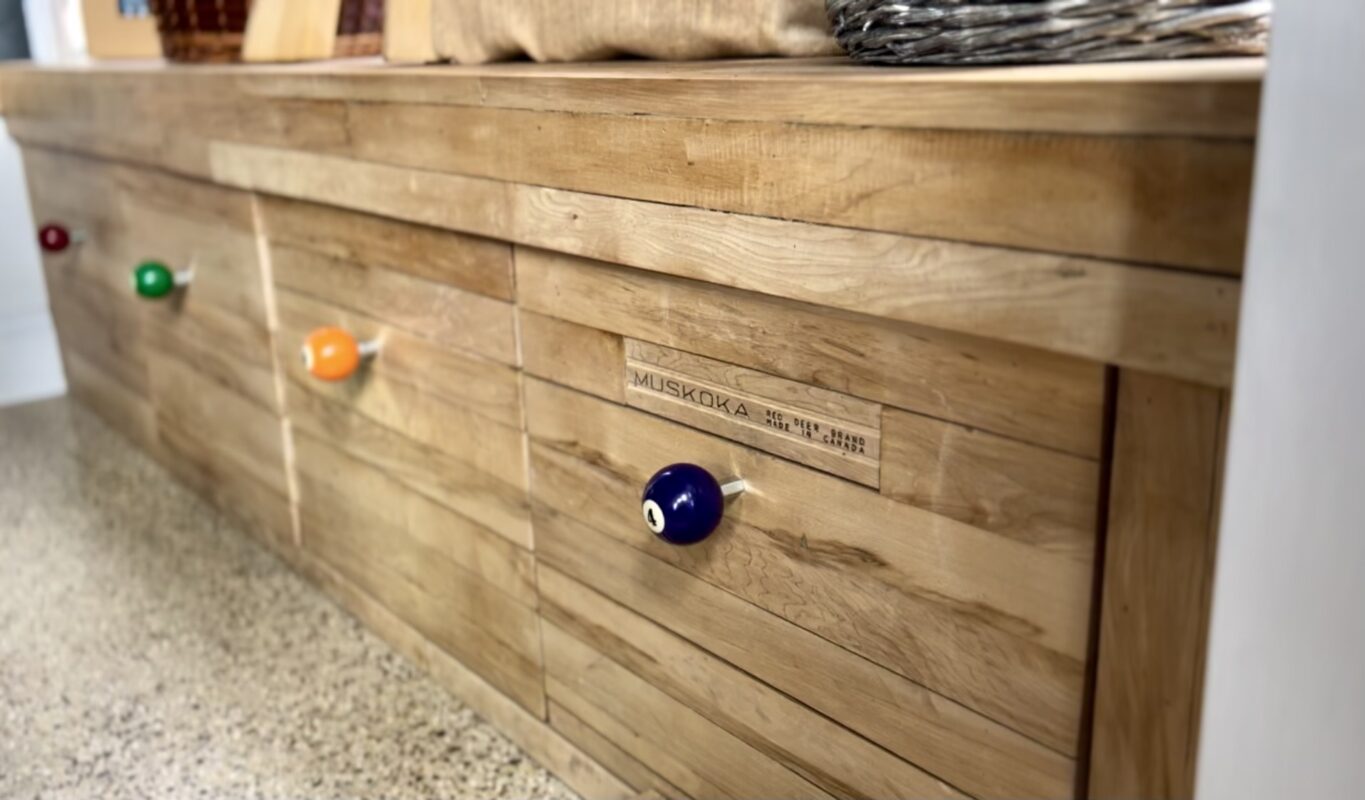
Once materials reach a new site, the story continues. Reclaimed slates may return to a heritage roof. Old timber may become shelving, flooring or a feature beam. Salvaged architectural elements may move into a renovation, a garden build or a one-off interior fit-out.
That variety is one of reclamation’s biggest strengths. Because the process preserves both function and character, it gives old materials an unusual flexibility. In turn, designers and builders gain options that new stock often cannot replicate.
For that reason, the reclamation process is not simply about recovering material. It is about unlocking future use.

Good reclamation creates a bridge between demolition and design, turning waste potential into project value.
Where Reclamation Connects with the Wider Market
Reclaimed materials do not exist in isolation. Instead, they sit within a broader ecosystem of yards, directories, shops and specialist marketplaces. That wider network helps buyers find materials more efficiently and helps sellers move stock more effectively.
- The Reclaimed Company Directory helps users find local reclamation yards and salvage specialists.
- The Reclaimed Company marketplace gives sellers an outlet to promote reclaimed materials to a wider audience.
- The Reclaimed Company Shop provides a more direct route into stocked salvage and reclaimed products.
Together, those routes make the reclamation process more visible, more practical and more commercially useful.

The end goal is simple: keep good material in use and make it easier for buyers to find it before it becomes waste.
Conclusion
The reclamation process is meticulous, practical and increasingly important. It begins with careful assessment, continues through controlled removal and cleaning, and ends with reuse, resale or repurposing in a new setting.
When people handle salvage properly, they preserve useful materials, reduce environmental impact and carry forward craftsmanship that might otherwise disappear. At the same time, buyers gain products with more character, more story and, often, better long-term value.
Ultimately, reclamation is not about looking backwards. Instead, it is about building more intelligently with what already exists. That is why old can still become new, and why everything useful deserves another chance.
