

Upcycling Ideas
Upcycling Galvanised Water Tanks | 8 Key Steps
Sep
Upcycling ideas
How to Upcycle Galvanised Water Tanks into Garden Planters
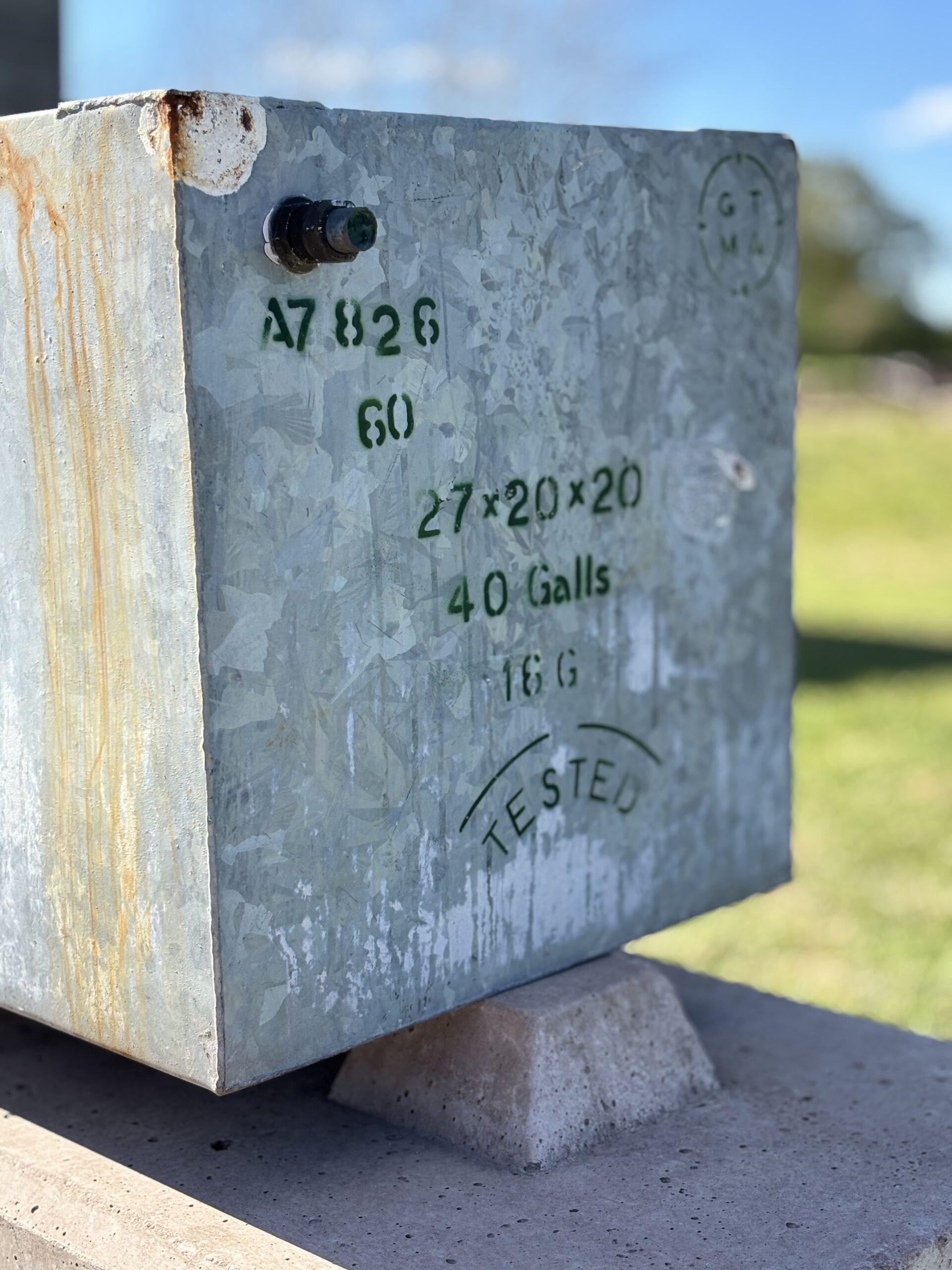
Upcycling galvanised water tanks has become increasingly popular because the result is both practical and visually strong. An old tank can become a durable garden planter, a raised herb bed or a feature container for flowers, shrubs and even small trees. Better still, the galvanised finish brings a distinctive industrial character that works beautifully in both traditional and contemporary outdoor spaces.
This guide explains how to turn an old tank into a useful planter step by step, while also showing why reclaimed tanks remain such versatile pieces for garden and landscape projects.
Tank inspiration
Image Mosaic


Why Galvanised Water Tanks Work So Well as Planters
Upcycling galvanised water tanks has grown in popularity because the form and material suit planting extremely well. First, the tanks are durable. Secondly, they already have the scale needed for generous root space. Finally, their timeworn finish adds instant character without needing artificial ageing or decorative tricks.
As a result, a reclaimed tank can move easily from its original use into a stylish and functional garden planter. With a few drainage holes, some basic preparation and the right soil, it becomes a strong container for herbs, flowers, grasses, vegetables or even small ornamental trees.
Simple idea, strong result: drill for drainage, line if needed, fill with soil and plant. The tank does the rest, both visually and practically.
What You Need Before You Start
Before you begin, gather the essentials so the project runs smoothly from start to finish. Fortunately, the materials list is short and straightforward.
Materials Needed
- Old galvanised water tank
- Power drill with metal drill bit
- Landscape fabric or gravel
- Potting soil or raised-bed growing medium
- Plants, seeds or young shrubs
- Measuring tape if required
- Rust-resistant paint if you want a decorative finish
A reclaimed galvanised tank already carries plenty of visual appeal, so the upcycling process can stay simple and practical.
Step-by-step guide
How to Turn an Old Tank into a Garden Planter
Prepare the Tank
Start by cleaning the tank thoroughly. Remove dirt, debris and loose residue with a stiff brush and soapy water, then rinse it down and allow it to dry fully. At the same time, inspect the tank for sharp edges, heavy rust or damage that might affect safety or stability. If necessary, file down rough edges before moving on.
Drill Drainage Holes
Next, turn the tank upside down and drill a series of drainage holes in the base. This stage is essential because good drainage prevents waterlogging and helps protect plant roots from rot. Try to space the holes evenly across the bottom so water can escape consistently.
Add a Drainage Layer
After that, place either a layer of landscape fabric or a bed of gravel at the base of the tank. This helps stop soil from blocking the drainage holes and improves water movement through the planter. Although this step is simple, it makes a noticeable difference over time.
Fill with Soil
Now fill the tank with a quality potting mix or a suitable raised-bed soil blend. Leave a little room below the rim so watering stays controlled and soil does not spill out too easily. For vegetables and herbs, a fertile but free-draining mix usually works best.
Plant Up the Tank
Once the soil is in place, add your chosen plants or sow your seeds. Depending on the size of the tank, you might create a herb planter, a flower display, a kitchen-garden bed or even a mixed ornamental feature. Lightly water everything in so the plants settle properly.
Paint or Decorate if You Want To
At this point, you can keep the raw galvanised finish or add rust-resistant paint for a more tailored look. Some people prefer a clean industrial appearance, while others use stencils, labels or muted heritage colours. Either approach can work well, depending on the wider garden design.
Position the Planter Properly
Before filling the tank completely, think carefully about its final position. Once full, it will be heavy. Therefore, place it where the sunlight suits your chosen plants and where the ground is level and stable. This helps with both appearance and performance.
Maintain It Like Any Other Planter
Finally, keep an eye on watering, plant health and drainage performance. From time to time, check that the holes remain clear and that water can still escape freely. With that small amount of care, the tank should continue to perform well for years.
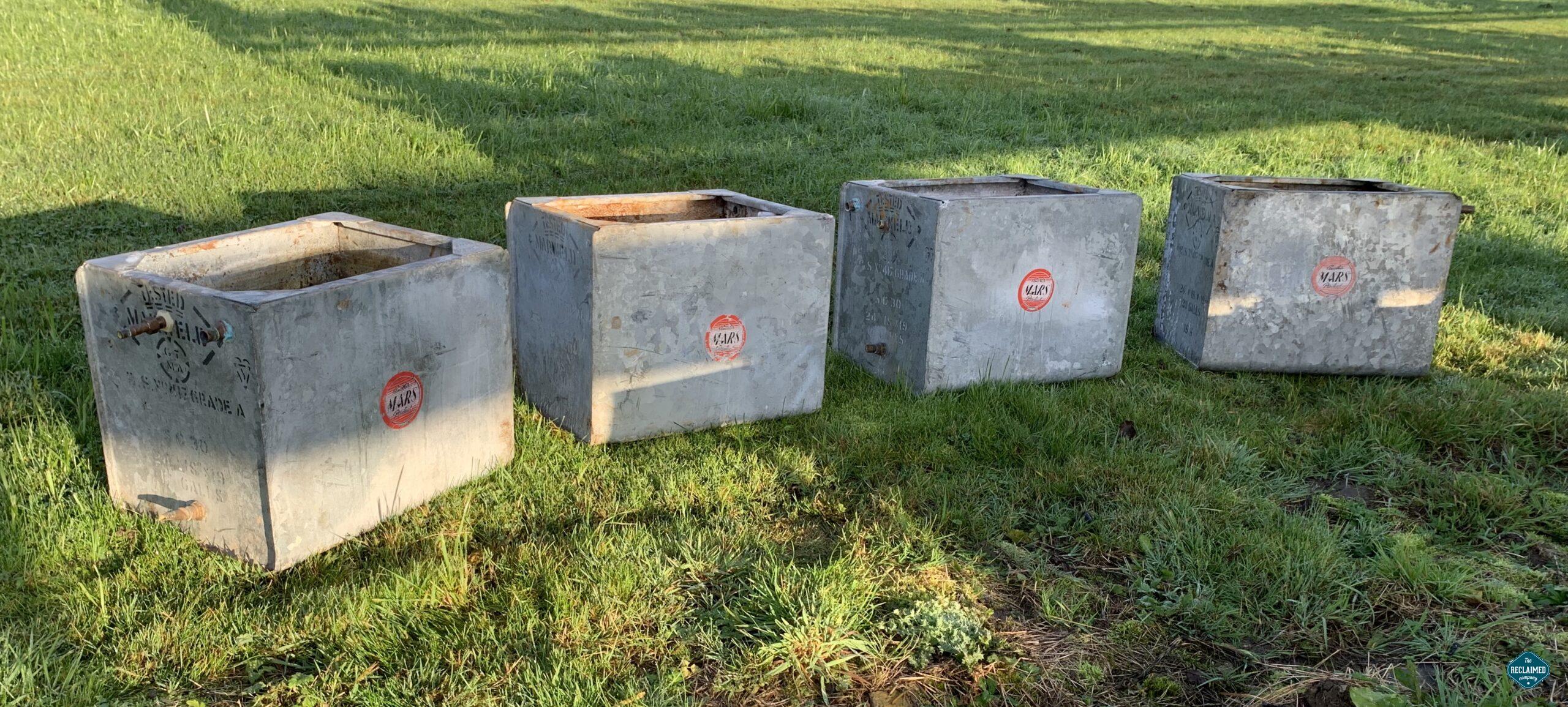
Large reclaimed tanks are ideal for deeper planting schemes, raised vegetable beds and bold feature planters.
Why This Upcycling Project Works So Well
This is one of those rare upcycling projects that is both attractive and genuinely useful. On the one hand, the tank provides a tough container that can cope with outdoor conditions. On the other, it introduces a distinctive reclaimed texture that new planters often lack.
- Elevated growing space: easier to work with than planting directly into the ground.
- Strong visual character: galvanised metal works especially well in rustic, cottage, industrial and kitchen-garden settings.
- Flexible planting options: flowers, herbs, vegetables and compact shrubs all work well.
- Sustainable reuse: instead of discarding an old tank, you turn it into a long-term garden feature.
Other Ideas for Upcycling Galvanised Water Tanks
Although garden planters are one of the most popular uses, they are far from the only option. In fact, reclaimed tanks lend themselves to a surprising range of projects. Therefore, if planting is not the goal, you still have plenty of scope to repurpose the material creatively.
Raised vegetable beds
Great for herbs, salads and compact crops, especially where you want neat, contained growing zones.
Feature planters
Perfect for statement planting in courtyards, terraces and entrance areas.
Outdoor storage
With modification, a tank can become a distinctive storage solution for logs, tools or garden accessories.
Water features
Some reclaimed tanks work well as ponds or decorative water features with the right preparation.
Where to Find a Good Tank
If you are looking for a tank to upcycle, start with The Reclaimed Company water tank category. That gives you a direct route into current stock and related reclaimed finds. Alternatively, marketplace listings such as this galvanised water tank listing can be useful if you want a more one-off or seller-led option.
Because reclaimed tanks vary in size, condition and character, it is worth choosing one that suits the planting scheme you have in mind. Some will suit herbs and flowers. Others will work better as larger structural features in the garden.
No two reclaimed tanks are exactly the same, which is part of the appeal when building a garden feature with real character.
How Much Are Reclaimed Roof Tiles Worth?
Reclaimed roof tiles can vary significantly in value depending on type, condition, quantity and demand. [...]
Jul
Reclaimed Roof Tiles: Where to Find Matching Roof Tiles in the UK
Finding matching roof tiles can be difficult, especially when repairing older properties. This guide explains [...]
Jun
How to Sell Reclaimed Building Materials Online
Looking to sell reclaimed building materials, architectural salvage or surplus construction stock? The Reclaimed Company [...]
Jun

Reclaimed Ironmongery Guide: Hooks, Brackets, Handles & Hardware UK
Reclaimed Ironmongery: The Complete Guide to Hooks, Brackets, Handles & Hardware Reclaimed ironmongery brings together [...]
Apr

Choosing Reclaimed Chimney Pots & Terminals
Match the look and performance at the top of your stack. This guide explains how [...]
Feb
Best Fixings for Reclaimed Roof Tiles 2026
Which fasteners make reclaimed tile roofs last? This practical guide explains copper vs stainless nails, [...]
Jan
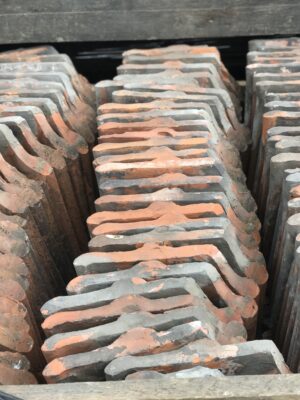
Calculate Reclaimed Roof Tile Quantities the Smart Way
Calculate Reclaimed Roof Tile Quantities the Smart Way Shortfalls burn programme time and budget. Over-ordering [...]
Dec
