

Historic Building Restoration, informative posts, Reclaimed Slates, Welsh Roof Slates
Sourcing Reclaimed Welsh Slates | A Comprehensive Guide

Sep
Reclaimed Welsh slate
Sourcing, Sorting and Grading Reclaimed Welsh Slates
Sourcing reclaimed Welsh slates for a restoration project is about far more than simply buying old roofing material. It is a careful process of matching quality, appearance, provenance and performance so the finished roof looks right and lasts properly.
Because Welsh slate remains widely regarded as one of the finest roofing materials in the world, good reclaimed stock still commands real respect. For that reason, careful sourcing, intelligent sorting and sensible grading all matter when you want a restoration roof to read correctly and perform for the long term.
Slate imagery
Reclaimed Welsh Slate in Context

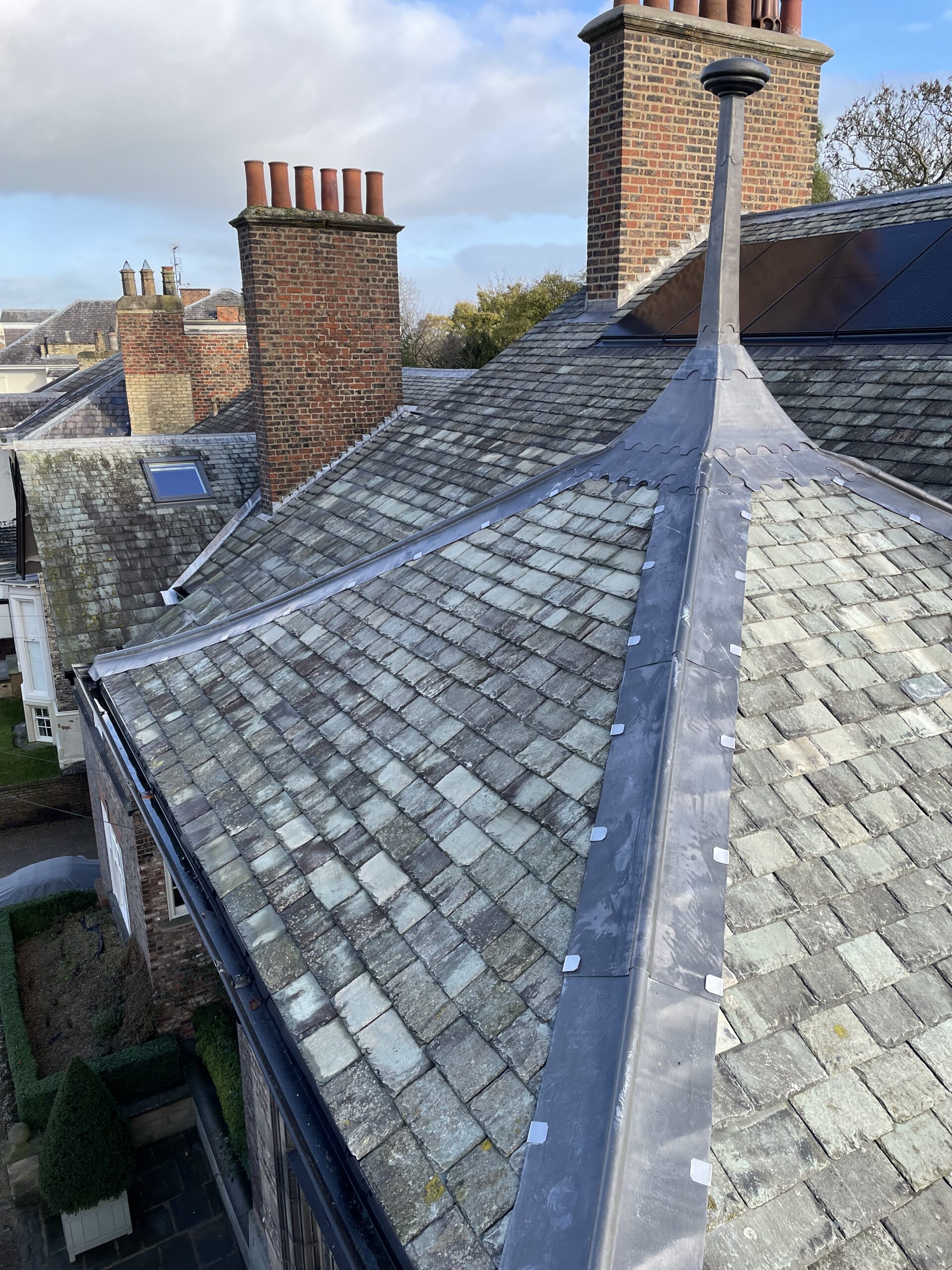


Why Sourcing Reclaimed Welsh Slates Matters
Sourcing reclaimed Welsh slates for your next project is an important factor when both quality and aesthetics matter. On restoration schemes in particular, the roof often plays a huge role in how authentic the finished building feels. Therefore, a poor slate match can undermine an otherwise careful job, while the right reclaimed slate can preserve the original character beautifully.
Reclaimed Welsh slate remains highly prized for its durability, natural beauty and historical significance. As a result, it suits restoration projects especially well, particularly where the aim is to preserve the architectural integrity of older buildings. However, working with reclaimed slate requires more care than simply ordering a new roofing product from a standard range.
In simple terms: good reclaimed Welsh slate buying is not just about stock availability. It is about provenance, condition, consistency and how the material will sit visually on the finished roof.
Sourcing Reclaimed Welsh Slates
Welsh slate has long been regarded as one of the finest roofing materials in the world, thanks to its strength, weather resistance and remarkable service life. Even so, not all reclaimed Welsh slate is equal. For that reason, buyers should look closely at three key areas before committing.
1. Provenance
Authenticity matters, especially on restoration work where historical accuracy is part of the brief. Genuine Welsh slate is often associated with the famous North Wales quarries, including Penrhyn, Ffestiniog and Cwt-y-Bugail. When you understand the source, you improve the chances of achieving a visually and materially sympathetic match.
2. Condition
Not every reclaimed slate is suitable for reuse. Good suppliers inspect for cracks, chips, delamination and excessive wear before presenting slates for sale. Consequently, the best reclaimed slate stock usually shows only minimal damage and still offers decades of service life.
3. Sustainability
Reclaimed slate is also a strong environmental choice because it keeps a long-life natural material in circulation. Even better, it reduces unnecessary waste and avoids additional quarrying demand. That said, it still pays to work with reputable suppliers who recover and present the material properly.
Strong sourcing starts with understanding where the slate came from, how sound it is and whether it will match the intended project properly.
Sorting Reclaimed Welsh Slates
Once the slate is sourced, the next stage is sorting. This part of the process is essential because it controls both the appearance and the practical usability of the final batch. In other words, sorting ensures that the roof does not become a patchwork of unsuitable pieces.
Welsh slate naturally appears in blue-grey, purple and heather tones. Because weathering and age can influence those shades, careful sorting helps create a balanced and believable finish rather than a random mix.
Sorting prepares the slate for installation by controlling size, appearance and usable quality across the batch.
Grading Reclaimed Welsh Slates
After sorting comes grading. At this stage, the slates are classified by overall quality and likely use. That makes life easier for roofers and specifiers because the best pieces can be reserved for the most prominent roof areas, while lower grades can still serve a useful purpose elsewhere.
Grade 1 – Premium Quality
These slates are in excellent condition, with no visible defects and strong consistency in thickness and size. Therefore, they suit the most visible parts of the roof, including principal elevations and prominent slopes.
Grade 2 – Good Quality
These slates have minor imperfections, although their structural integrity remains sound. Consequently, they work well on less prominent roof areas or mixed applications where a balanced visual outcome is still required.
Grade 3 – Utility Quality
These pieces may show more visible wear, chips or unevenness. Even so, they can still prove useful on secondary buildings, outbuildings, walls, detailing features or other less critical applications.
Why Reclaimed Welsh Slates Work So Well on Restoration Projects
The appeal of reclaimed Welsh slate is not just about age. Instead, it comes from the combination of proven durability, visual depth and architectural credibility. When the material is selected properly, it allows the restored building to retain its original feel without looking forced or over-restored.
- Historical integrity: reclaimed slate helps preserve the original character of heritage roofs and conservation-led schemes, especially where heritage and restoration projects demand sympathetic materials.
- Durability: Welsh slate is widely known for its long service life, which means reclaimed pieces can still have decades of performance ahead of them.
- Aesthetics: weathered reclaimed slates often carry a depth of tone and surface character that new materials struggle to replicate convincingly.
- Lower environmental impact: using reclaimed stock reduces reliance on newly quarried materials and keeps valuable roofing products out of the waste stream.
To understand the wider cost implications, it is worth reading this guide on the cost of sourcing reclaimed Welsh slates.
Do Not Forget the Related Roofing Components
Reclaimed Welsh slates rarely sit alone in a roofing project. In practice, they form part of a much wider roof build-up that also includes ridges, fixings, ventilation and leadwork. Therefore, it makes sense to plan the supporting materials at the same time rather than treating them as an afterthought.
Reclaimed Ridge Tiles
Ideal when you need the roof finish to read correctly from eaves to ridge, especially on visible heritage slopes.
Roofing Supplies
Useful for supporting items that help move the job from salvaged covering to complete roofing package.
Lead for Roofing
Important for abutments, valleys, flashings and other weathering details that sit alongside reclaimed slates.
Good contextual match: if you are specifying reclaimed slates, you will often also need suitable leadwork. For complementary lead products and a practical buying route, see The Lead Lads Shop the Chart.
What a Good Supplier Should Help You With
Buying reclaimed Welsh slates is easier when the supplier understands more than just stock counts. Ideally, they should also help with likely match quality, dimensional consistency, grading logic and how the reclaimed material sits within the wider roof specification.
That is why experienced reclaimed roofing suppliers tend to add value beyond the pallet itself. They help buyers avoid inconsistent batches, over-optimistic assumptions and the common mistake of treating reclaimed slate as if it were a perfectly uniform new product.
In practical terms, that means better decision-making, fewer surprises on site and a stronger finished roof.
The best reclaimed slate buying experience comes from suppliers who understand both the material and the demands of real restoration roofing.
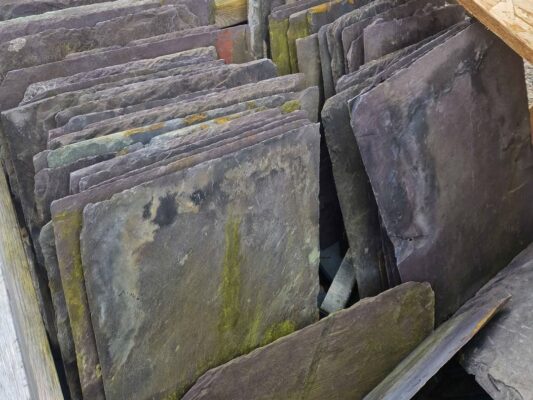
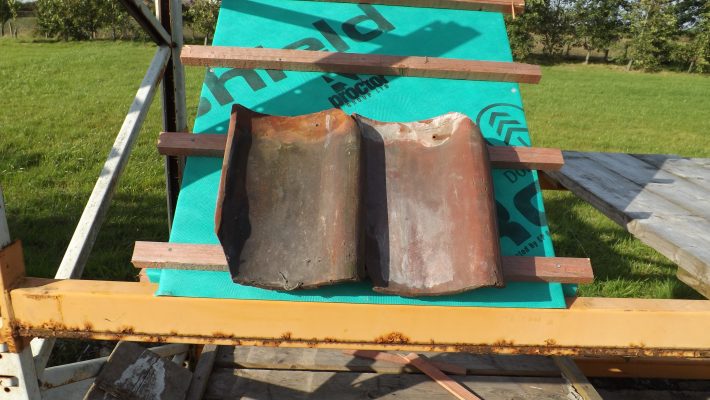
How Much Are Reclaimed Roof Tiles Worth?
Reclaimed roof tiles can vary significantly in value depending on type, condition, quantity and demand. [...]
Jul
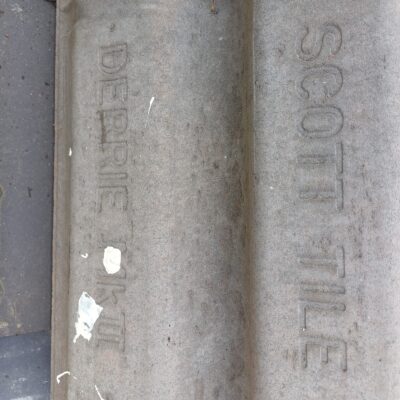
Reclaimed Roof Tiles: Where to Find Matching Roof Tiles in the UK
Finding matching roof tiles can be difficult, especially when repairing older properties. This guide explains [...]
Jun
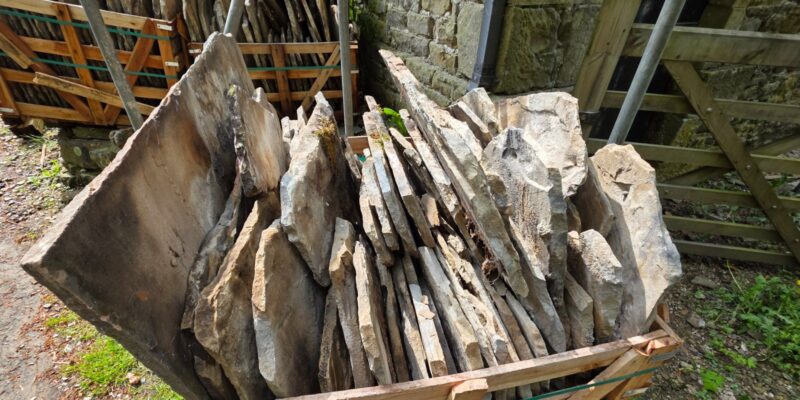
How to Sell Reclaimed Building Materials Online
Looking to sell reclaimed building materials, architectural salvage or surplus construction stock? The Reclaimed Company [...]
Jun

Reclaimed Ironmongery Guide: Hooks, Brackets, Handles & Hardware UK
Reclaimed Ironmongery: The Complete Guide to Hooks, Brackets, Handles & Hardware Reclaimed ironmongery brings together [...]
Apr

Choosing Reclaimed Chimney Pots & Terminals
Match the look and performance at the top of your stack. This guide explains how [...]
Feb
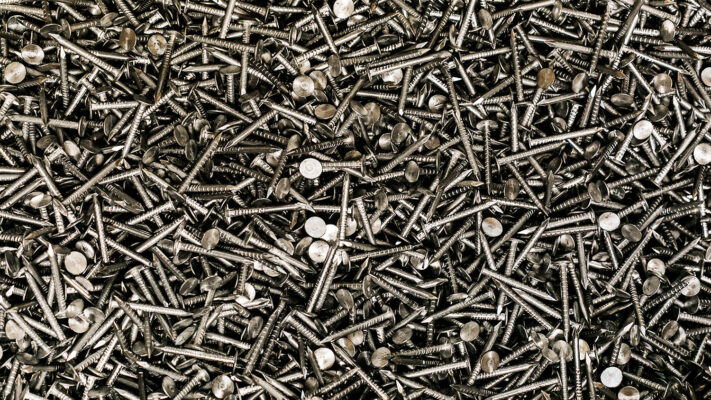
Best Fixings for Reclaimed Roof Tiles 2026
Which fasteners make reclaimed tile roofs last? This practical guide explains copper vs stainless nails, [...]
Jan
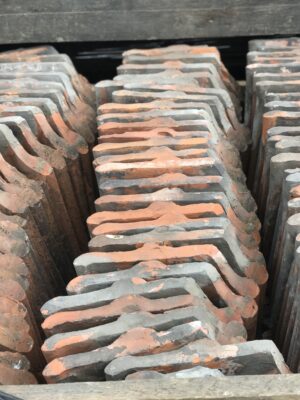
Calculate Reclaimed Roof Tile Quantities the Smart Way
Calculate Reclaimed Roof Tile Quantities the Smart Way Shortfalls burn programme time and budget. Over-ordering [...]
Dec
