

Uncategorized
Roof Ventilation with Pepper Pot Inserts: A Quick Win
Nov
Roof Ventilation with Pepper Pot Inserts: The Smart Heritage Roofing Upgrade
Traditional roofs look superb, but they can trap moisture if ventilation has been reduced, blocked, or never designed properly in the first place. If you need subtle airflow without disrupting the character of a period roof, pepper pot inserts are one of the most effective and visually sympathetic solutions available.
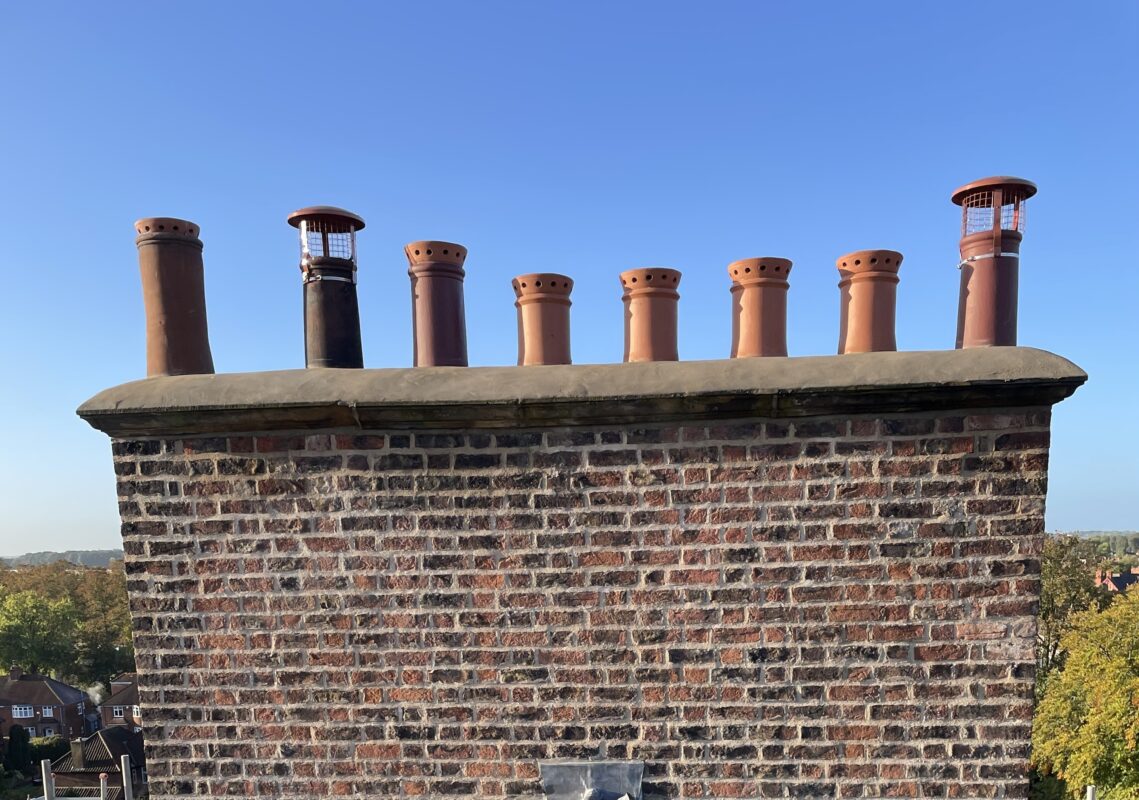
This guide explains what pepper pot inserts do, where they work best, how many you may need, how they compare with chimney-level ventilation, and how to integrate them into a wider roof system using reclaimed materials, breathable layers, leadwork and appropriate fixing details. For current stock, see Pepper Pot Inserts from The Reclaimed Company ®, or explore complementary chimney-top options via pepper pots and chimney terminals at Chimney Cowls UK.
At Geoff Neal Roofing (GNR), we specialise in heritage roofing systems, helping clients improve airflow, reduce condensation risk and preserve architectural character without resorting to bulky modern vent units.
Drive airflow without spoiling the roofline
Use roof-level pepper pot inserts from TRC and stack-level pepper pots or cowls from Chimney Cowls UK to create one joined-up ventilation strategy across the whole roofscape.
What Are Pepper Pot Inserts?
Pepper pot inserts are discreet, ventilated units designed to sit within the roof covering and allow controlled air movement through the roof build-up. They offer a far more subtle visual result than many plastic vent terminals and are especially useful where the appearance of the roof matters just as much as its technical performance.
On period properties, conservation projects and reclaimed roofing schemes, they are often the difference between a roof that performs properly and one that slowly suffers from hidden condensation. Instead of changing the silhouette of the building, pepper pot inserts work within the existing roof language.
If you are sourcing roof-level products, begin with The Reclaimed Company’s pepper pot insert range. If your project also involves stack-level ventilation, flue terminals or chimney caps, pair those roof products with pepper pots and cowls from Chimney Cowls UK to create a more complete ventilation strategy across the whole roof and chimney system.
Why Roof Ventilation Matters So Much on Traditional Roofs
Roof ventilation is not an optional extra. On many older roofs, it is a core part of long-term durability. Warm moisture-laden air rises from the occupied building below. If that moisture reaches cold zones within the roof structure and cannot disperse, condensation forms. Over time, that trapped moisture can damage battens, rafters, underlays, fixings and internal finishes.
- Condensation control: Reduces the build-up of interstitial moisture within the roof void and beneath the roof covering.
- Timber protection: Helps protect rafters, counter-battens, battens and sarking from persistent damp conditions.
- Fixing longevity: Limits corrosion risk to nails, clips, screws and associated metal components.
- Underlay performance: Breathable membranes perform better when combined with a genuine air path rather than being expected to do all the work on their own.
- Whole-roof durability: Better airflow helps the roof dry out after periods of wet weather and reduces the chance of moisture-related call-backs.
On heritage buildings, this is even more important. Original roofs often rely on subtle passive drying, not aggressive modern extract systems. Where modern insulation, plasterboard, bathrooms and kitchens have been introduced below, moisture loading increases while the old airflow routes may have been reduced. That is exactly where discreet products such as pepper pot inserts become so valuable.
Where Pepper Pot Inserts Fit Within a Complete Ventilation Strategy
Roof ventilation works best as a system rather than as a single product. In simple terms, roofs need a path for air to enter and a path for air to leave. In many cases, the intake happens lower down at eaves level, while the exhaust or release point happens higher on the roof slope or near the ridge.
Pepper pot inserts are particularly useful where you need high-level ventilation but want to avoid the visual disruption of modern ridge vents or bulky tile vents. They are therefore especially suited to:
- Heritage roofs with retained mortar ridges where visible ridge systems are undesirable
- Reclaimed tile roofs where aesthetic continuity is critical
- Long roof slopes where moisture can build up in stagnant zones
- Roofs above wet rooms or kitchens where moisture loading is higher
- Retrofit projects where improving airflow is easier than re-designing the whole ridge detail
The roof-level approach from The Reclaimed Company ® can also be complemented by stack-level products from Chimney Cowls UK. That interlink matters technically as well as commercially: many older buildings need both roof ventilation and chimney/flue ventilation to perform as intended.
Roof Pepper Pot Inserts vs Chimney Pepper Pots: What Is the Difference?
The phrase “pepper pot” is often used in more than one context, which is one reason this topic is so strong for SEO when handled properly. Some users are looking for roof pepper pot inserts that sit within tiles or slates. Others are searching for chimney pepper pots, terminal caps, chimney cowls or stack-top ventilation solutions.
These are not the same product, but they are often part of the same conversation on site:
- Roof pepper pot inserts: Installed within the roof covering to provide discreet roof ventilation.
- Chimney pepper pots: Installed at stack level to manage ventilation, weather protection or terminal performance at the top of the chimney.
- Chimney cowls and caps: Used to improve draw, reduce downdraught, limit rain entry or protect disused flues.
This is why projects often benefit from sourcing from both platforms. Use The Reclaimed Company ® for roof-level pepper pot inserts and Chimney Cowls UK for chimney pepper pots, terminals and cowl-related products.
If your roof has active chimneys, disused flues, or stacks that interrupt airflow, linking these two product groups together creates a much stronger technical and practical solution for the building as a whole.
Ventilation Around Chimneys, Stacks and Abutments
Chimneys are among the most common pressure points in traditional roofs. They interrupt airflow, create colder local zones, and introduce junctions where moisture can sit if the detailing is weak. In poorly ventilated roofs, the area around a stack can become one of the first places where condensation-related issues show up.
At the same time, chimneys themselves often need attention. Some flues are live. Others are redundant but still need passive ventilation. Some stacks need repairs, re-flaunching or new lead flashings. That is why a joined-up approach is so important.
- Chimney Stack Repairs by GNR
- Chimney Repair & Maintenance
- Pepper pots and chimney terminals from Chimney Cowls UK
- Lead flashing systems for stack and abutment detailing
Used together, these products and services help create a roof that not only looks right, but dries properly, sheds water effectively and protects the structure below.
Compatibility with Reclaimed Tiles, Slates and Heritage Roof Coverings
One reason pepper pot inserts perform so well in heritage roofing is that they can be integrated sympathetically into a wide range of roof coverings. Their success depends on choosing the correct format, placing them intelligently, and ensuring the surrounding detailing is done properly.
Pepper pot inserts are commonly suited to:
- Reclaimed clay plain tiles: Particularly where discreet colour matching matters
- Interlocking roof tiles: With profile-specific units and weathering maintained properly
- Natural slate roofs: Where discreet vents or insert solutions are preferable to visually dominant modern vents
- Heritage roof refurbishments: Where conservation sensitivity limits ridge or fascia changes
If you are already sourcing reclaimed roofing materials, it makes sense to stay within the same ecosystem. Start with roof pepper pot inserts and supporting roofing supplies from The Reclaimed Company ®, then connect stack-related requirements back to Chimney Cowls UK.
How Many Pepper Pot Inserts Do You Need?
There is no single universal number because roof geometry, pitch, moisture loading, eaves ventilation, ridge strategy and local exposure all matter. That said, there are practical rules of thumb that help you start the conversation properly.
- Small simple roofs: 1–2 inserts per slope may be enough where airflow paths are already decent
- Long uninterrupted slopes: One insert every 1.5–2.0m can be a useful planning rule
- Moisture-heavy areas: Add supplementary ventilation above bathrooms, kitchens and utility spaces
- Traditional ridges retained: Pepper pot inserts often take on more of the high-level ventilation role
- Dry ridge or vented ridge installed: Roof-level insert numbers may be reduced
The key is balance. Randomly placing a few vents without considering the wider air path often delivers disappointing results. A better approach is to plan roof ventilation and chimney ventilation together, especially where stacks interrupt the flow of air or where disused flues still need to breathe.
Placement and Spacing for the Best Real-World Results
Good placement matters just as much as product choice. Even the best pepper pot insert will underperform if it is installed in the wrong position or into a roof build-up with no viable airflow route.
- Place inserts high on the slope so they can help release warm, moist air rising through the roof zone.
- Keep spacing reasonably even across long slopes to avoid stagnant dead areas.
- Avoid blocked airflow paths near valleys, tight abutments or over-insulated voids with no continuity behind.
- Plan around visual rhythm on principal elevations so inserts do not appear randomly placed.
- Coordinate with stack locations where chimneys interrupt airflow or where a chimney terminal strategy is also being used.
This last point is important. When roof pepper pot inserts are paired with appropriate stack-level components from Chimney Cowls UK, the whole building often performs better than if either roof or chimney were treated in isolation.
Installation Best Practice for Pepper Pot Inserts
A tidy installation is essential. Poor workmanship around any vent opening can introduce the very problems you are trying to prevent. The insert has to ventilate properly while maintaining the roof’s weathering performance.
- Set out carefully: Mark from the ground and confirm positions from scaffold level before installation begins.
- Maintain laps: Ensure all surrounding coverings continue to shed water correctly over the underlay.
- Use suitable fixings: Copper or stainless steel fixings remain the preferred choice on traditional roofs.
- Detail the underlay properly: Preserve drainage and airflow rather than simply cutting and hoping for the best.
- Coordinate with adjacent roof details: Especially around chimneys, valleys, flashings and abutments.
Build the system end-to-end from Roofing Supplies at The Reclaimed Company ® and combine it with lead flashing products plus any chimney-top ventilation or terminal items required from Chimney Cowls UK.
Ancillaries That Make Pepper Pot Inserts Work Properly
No ventilation product works in isolation. Pepper pot inserts perform best when they are part of a complete roof package.
- Breathable underlay and battens that support both drying and drainage
- Corrosion-resistant fixings that will not fail in damp roof zones
- Lead flashings and soakers at chimneys, abutments and penetrations
- Appropriate chimney terminals or pepper pots where stack-level ventilation is also required
- Compatible reclaimed or sympathetic roof coverings that preserve the intended visual finish
This is where the cross-platform model becomes powerful. Use The Reclaimed Company ® for roof ventilation and surrounding roofing supplies, connect that to Chimney Cowls UK for chimney pepper pots and terminal products, and complete the weatherproofing side through Lead Flashing.
Common Mistakes to Avoid
Pepper pot inserts are simple products, but there are several recurring mistakes that reduce their value:
- Relying on breathable membrane alone: A membrane helps, but it does not replace a real ventilation path.
- Installing inserts with no intake route: Air has to enter somewhere as well as leave.
- Blocking airflow with insulation: Even well-intentioned upgrades can create stagnant zones.
- Poor lap detailing: Mismanaged underlay and tile/slate laps can create water ingress risks.
- Treating chimney problems separately from roof problems: On older buildings, the two are often linked.
- Buying products piecemeal: Ordering vents, fixings, leadwork and terminals separately often causes delays and mismatch issues.
The smarter route is to treat the roof and chimney as one coordinated system and source from the relevant specialist platforms: TRC for roof pepper pot inserts and Chimney Cowls UK for chimney pepper pots and related terminal products.
Pepper Pot Inserts for Repairs, Retrofits and Listed Buildings
One of the biggest advantages of pepper pot inserts is that they are ideal for retrofit work. You do not have to redesign the whole roof to improve performance. In many cases, you can introduce discreet airflow exactly where it is needed while preserving the ridge line and overall appearance.
This makes them especially useful for:
- Listed buildings where visual change must be kept to a minimum
- Conservation-area roofs where modern vent aesthetics are unwelcome
- Targeted condensation problems above specific rooms
- Heritage re-roofing using reclaimed materials
- Chimney-adjacent roof zones where airflow is restricted by the stack geometry
In these scenarios, combining TRC pepper pot inserts with stack-level ventilation or terminal options from Chimney Cowls UK often gives the most sympathetic overall result.
Why Pepper Pot Inserts Solve More Than One Problem
Pepper pot inserts are valuable because they do more than simply add ventilation. On traditional buildings, they help connect several important parts of the roof into one better-performing system.
A roof may look sound from the outside, but if moisture is building up beneath the covering, problems can begin quietly. Timber can remain damp for too long, fixings can start to deteriorate, and localised condensation often shows up first around chimneys, abutments and colder roof zones.
That is why pepper pot inserts work best when they are considered alongside the rest of the roof and chimney detail. In practical terms, that means thinking about:
- Roof ventilation: creating a discreet path for air to move through the roof space
- Chimney ventilation: ensuring redundant or problematic flues are not trapping moisture
- Leadwork and flashings: protecting junctions where water is most likely to enter
- Heritage appearance: improving performance without spoiling the look of a traditional roofline
For many projects, the best result comes from combining roof-level pepper pot inserts from The Reclaimed Company ® with appropriate chimney pepper pots and terminal options from Chimney Cowls UK. This creates a more complete solution for traditional properties where both the roof covering and the chimney stack need to breathe properly.
Ready to Add Pepper Pot Inserts the Right Way?
Whether you are working on a listed cottage, a reclaimed tile re-roof, a slate repair scheme or a wider chimney refurbishment, a proper ventilation strategy pays back for years. Small, well-placed vents can prevent large moisture problems, and the right combination of roof pepper pot inserts and chimney-top ventilation can transform how a traditional roof performs.
Start here:
The strongest results usually come from treating the whole roof and chimney as one system rather than solving each issue in isolation.
