


New






The Reclaimed Company ®
Breathable Membranes — Buyer’s Guide
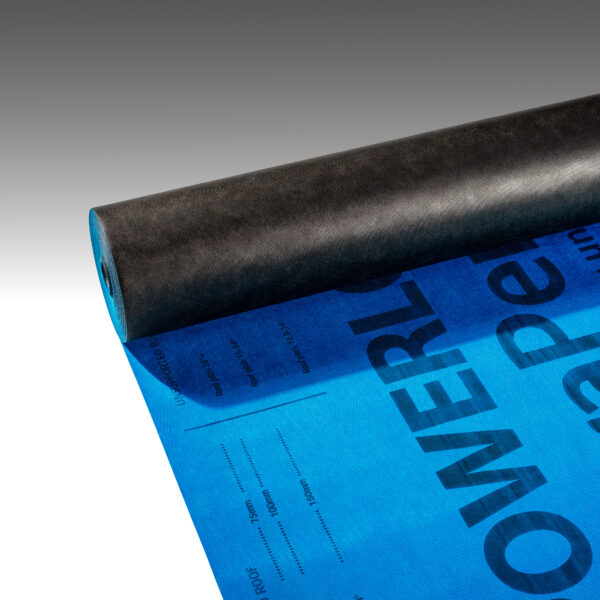
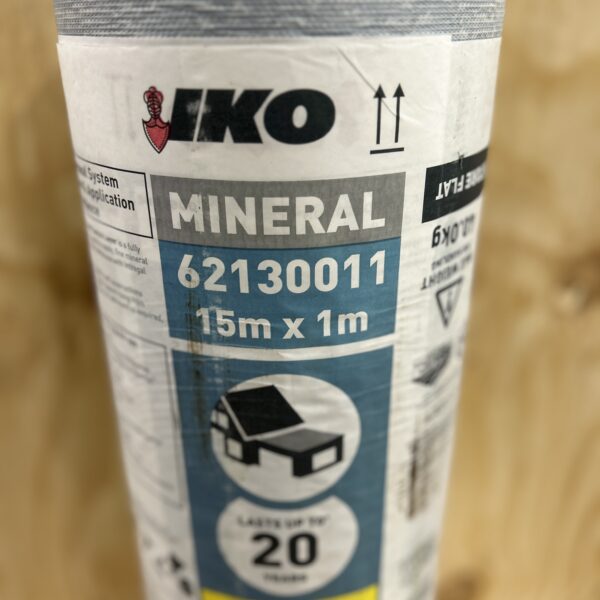
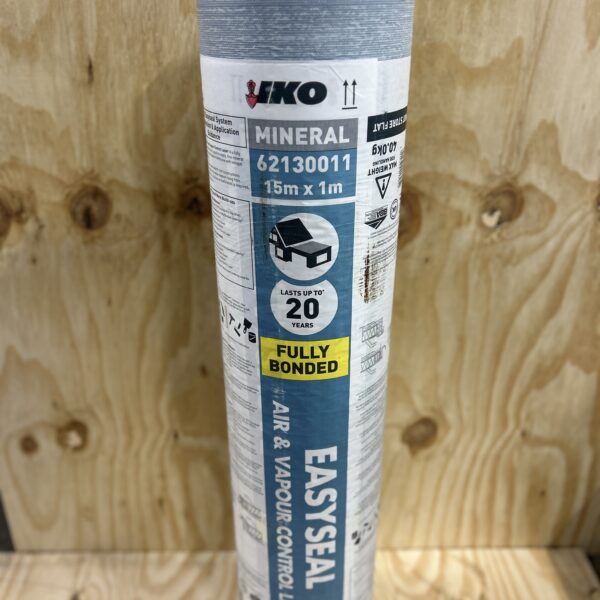
Our breathable membranes for pitched roofs are BBA-certified and BS 5534–compliant LR underlays designed to control moisture, resist wind uplift and improve roof ventilation without sacrificing weatherproofing.
Choose from 120–170gsm grades for different exposure and traffic conditions, with high vapour permeability (low Sd values) and strong tear resistance for safe installation. Suitable for cold and warm roof build-ups, our breathable roofing membranes support fast, clean and compliant roofing work on new build and refurbishment projects.
Call Us
Certified, Durable, Compliant
How to choose the right breathable membrane
Start with the roof design and exposure. For most pitched roofs, a breathable membrane that is BS 5534–compliant and BBA-certified provides reliable performance. Pick the weight and strength you need:
- 120–135gsm: ideal for standard domestic pitched roofs where handling speed and value matter.
- 145–170gsm: enhanced tear resistance and durability for windy sites, complex roofs or heavier foot traffic during installation.
Check the membrane’s vapour permeability (e.g. Sd value), air permeability and water resistance. For cold roofs, ensure eaves-to-ridge ventilation or an air-open membrane strategy as per your roof design. For warm roofs, coordinate the VCL position and continuity to manage interstitial condensation risk.
All our breathable roofing membranes are compatible with standard battens, counter-battens, tapes and seals. Use manufacturer-approved lap tapes at hips, valleys and laps to maximise airtightness and weather resistance.
Standards & performance essentials
What to look for
When comparing breathable membranes, focus on:
- Certification: BBA certification and testing to BS 5534 for wind uplift resistance.
- Moisture control: High vapour permeability with robust water holdout (W1 rating).
- Strength: Nail tear and tensile strength suitable for expected site conditions.
- UV exposure window: Adequate temporary exposure rating before final covering.
- System accessories: Tapes, seals and fixings for full-system integrity.
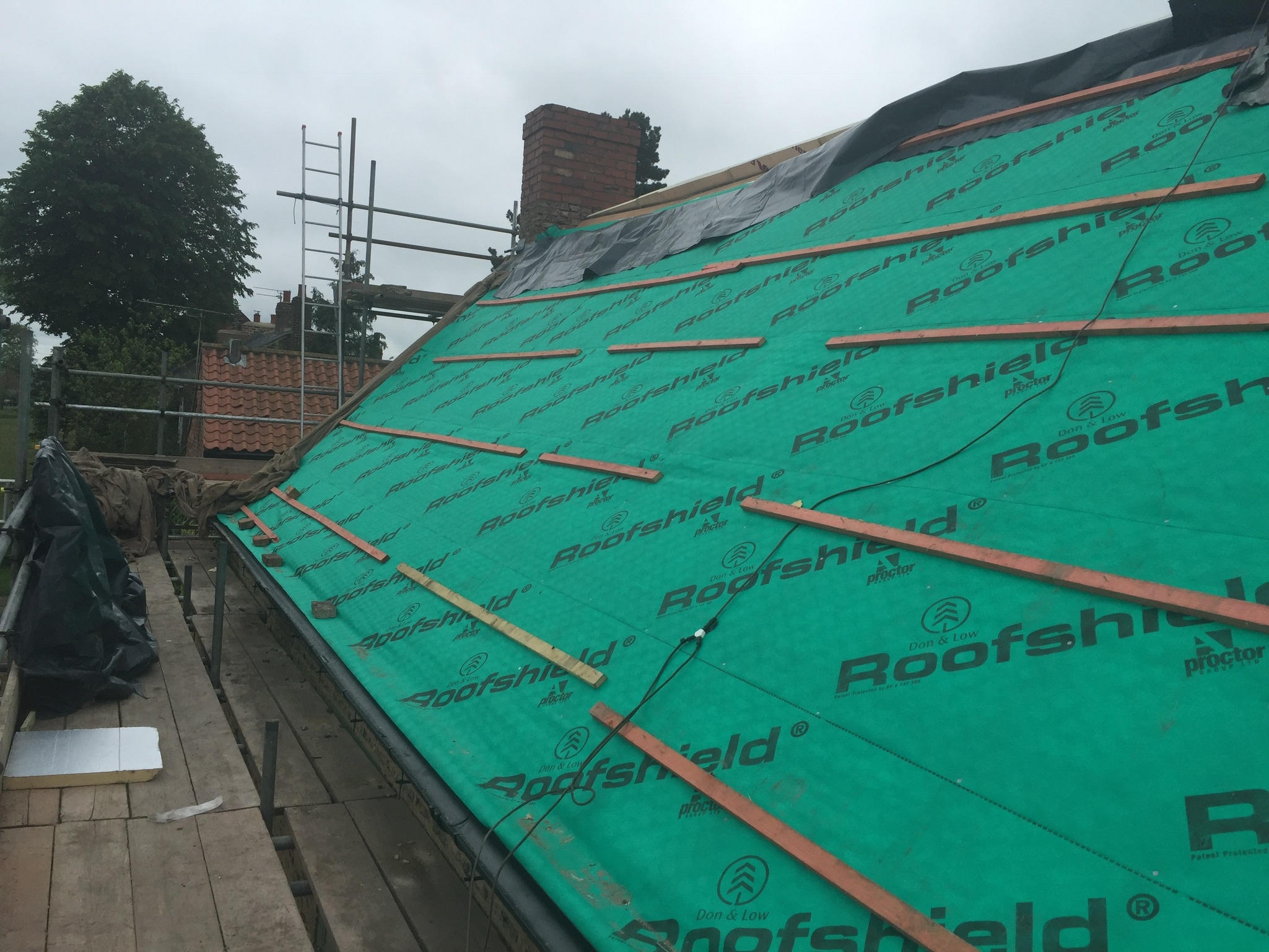
Cold Roofs
Breathable membranes with continuous ventilation paths and sealed laps.

Warm Roofs
LR underlays working with a VCL to control interstitial condensation.

Heritage Projects
Lightweight, vapour-permeable options behind slates and pantiles.
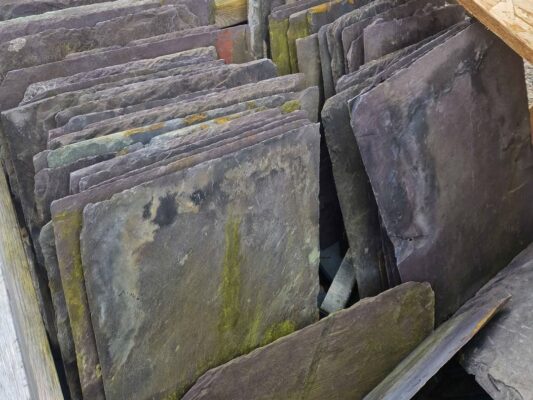
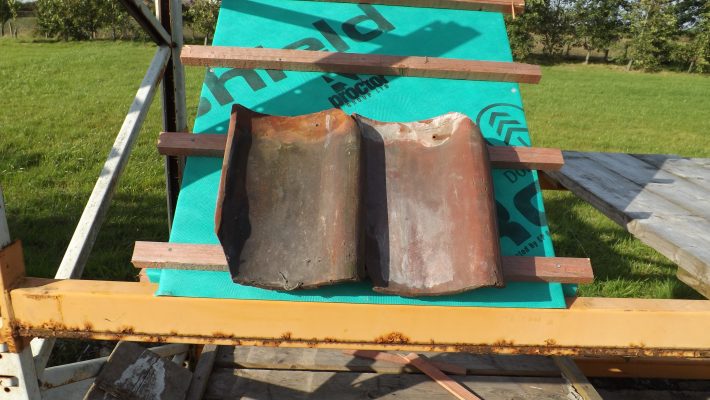
How Much Are Reclaimed Roof Tiles Worth?
Reclaimed roof tiles can vary significantly in value depending on type, condition, quantity and demand. [...]
04
Jul
Jul
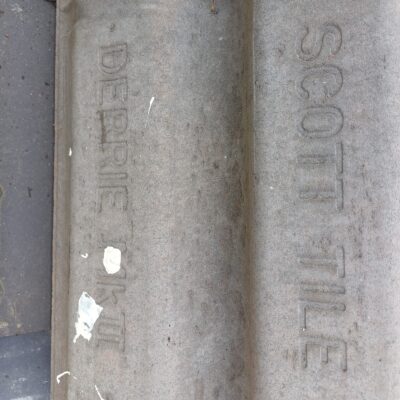
Reclaimed Roof Tiles: Where to Find Matching Roof Tiles in the UK
Finding matching roof tiles can be difficult, especially when repairing older properties. This guide explains [...]
22
Jun
Jun
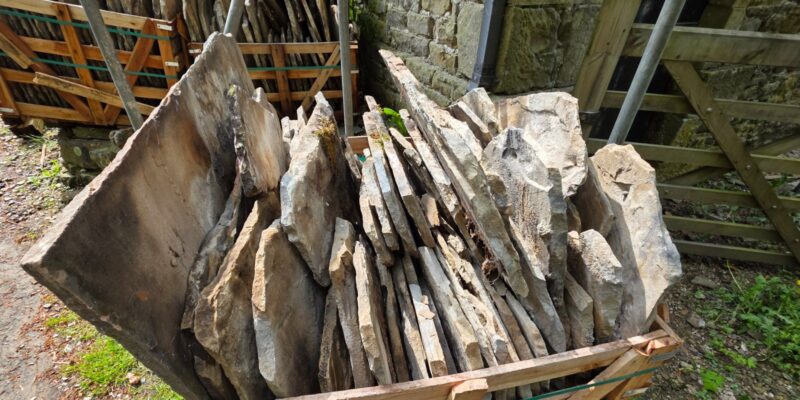
How to Sell Reclaimed Building Materials Online
Looking to sell reclaimed building materials, architectural salvage or surplus construction stock? The Reclaimed Company [...]
15
Jun
Jun

Reclaimed Ironmongery Guide: Hooks, Brackets, Handles & Hardware UK
Reclaimed Ironmongery: The Complete Guide to Hooks, Brackets, Handles & Hardware Reclaimed ironmongery brings together [...]
17
Apr
Apr
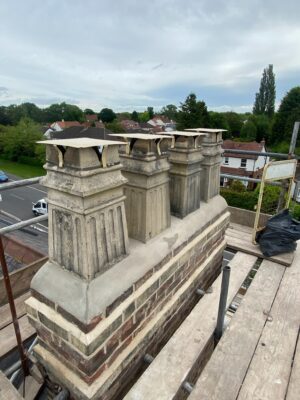
Choosing Reclaimed Chimney Pots & Terminals
Match the look and performance at the top of your stack. This guide explains how [...]
10
Feb
Feb
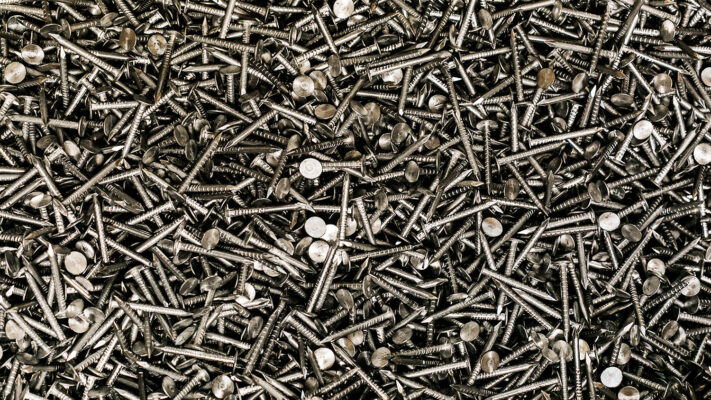
Best Fixings for Reclaimed Roof Tiles 2026
Which fasteners make reclaimed tile roofs last? This practical guide explains copper vs stainless nails, [...]
09
Jan
Jan
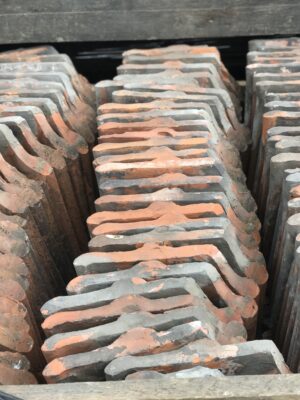
Calculate Reclaimed Roof Tile Quantities the Smart Way
Calculate Reclaimed Roof Tile Quantities the Smart Way Shortfalls burn programme time and budget. Over-ordering [...]
11
Dec
Dec
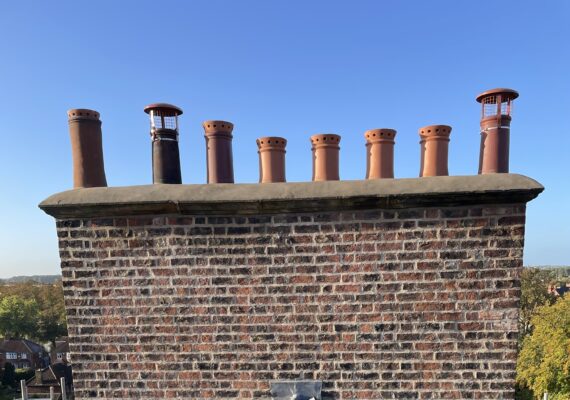
Roof Ventilation with Pepper Pot Inserts: A Quick Win
Pepper pot inserts deliver discreet, effective roof ventilation for heritage and reclaimed projects. Learn when [...]
28
Nov
Nov
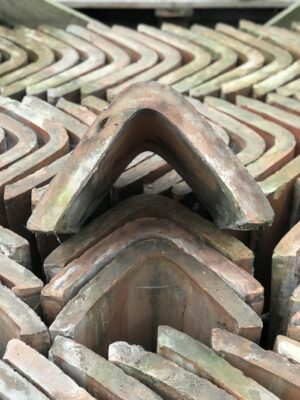
How to Match Reclaimed Ridge Tiles First Time
A practical, no-nonsense guide to matching reclaimed ridge tiles—how to identify profile and angle, colour-blend [...]
21
Nov
Nov
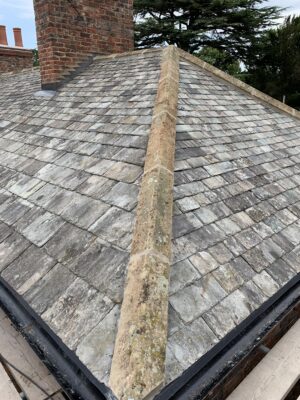
Reclaimed Slate Buying Guide (Grades, Sizes, Fixings)
From grading and sorting to quantities, fixings, ventilation, and leadwork—this reclaimed slate buying guide shows [...]
14
Nov
Nov
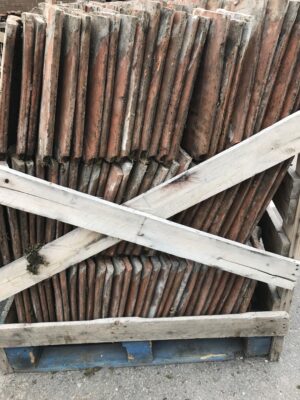
Buy Reclaimed Clay Roof Tiles in the UK
A practical buyer’s guide to sourcing and installing reclaimed clay roof tiles in the UK—how [...]
10
Nov
Nov
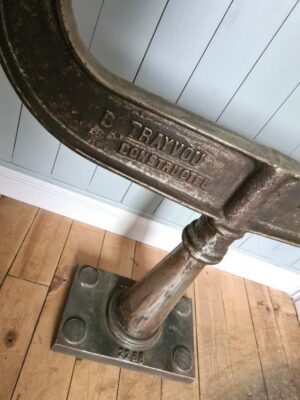
Guide to Ironmongery | The Reclaimed Company ®
Navigation Home › Blog › Ironmongery › Ultimate Guide Ironmongery buying guide The Ultimate Guide [...]
30
Sep
Sep
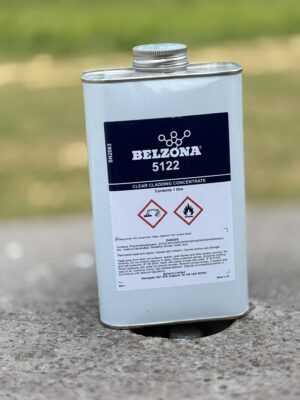
Clear Breathable Masonry Sealer: Ultimate Guide to Waterproofing Brick & Stone
The Reclaimed Company® • Building Materials Clear Breathable Masonry Sealer: The Ultimate Guide (Using Belzona [...]
16
Sep
Sep
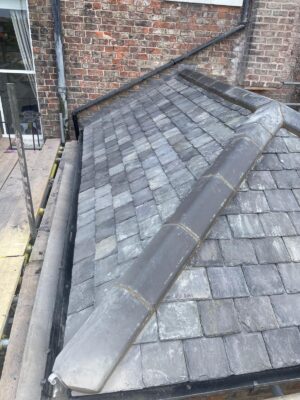
Why Choose Reclaimed Slate Roofing? Durable, Stylish & Sustainable
Reclaimed roofing guide Why Choose Reclaimed Slate Roofing? Durable, Stylish & Sustainable By The Reclaimed [...]
15
Sep
Sep
Breathable Membranes — LR Roofing Underlays for Pitched Roofs (BS 5534)
Breathable membranes (LR underlays) protect pitched roofs against wind-driven rain while allowing internal moisture vapour to escape, helping to reduce interstitial condensation. Choose by gsm, wind uplift resistance (BS 5534), vapour permeability (Sd) and site exposure to match your project.
Quick Links
Roofing Supplies ·
Breathable Membranes ·
Lead for Roofing ·
Fixings & Accessories ·
Contact Us
Membrane Comparison — At a Glance
| Grade (gsm) | Typical Sd (m) | Water Tightness | BS 5534 Wind Uplift* | UV/Open Time | Typical Uses |
|---|---|---|---|---|---|
| ~120 gsm | ≤ 0.10 | W1 | Domestic, sheltered | Up to 3 months | Standard pitched roofs; speed and value |
| ~135 gsm | ≤ 0.10 | W1 | General purpose | Up to 3 months | Everyday use; balanced handling/strength |
| ~145 gsm | ≤ 0.10 | W1 | Higher uplift classes | Up to 3 months | Windier sites; complex roofs; more foot traffic |
| ~170 gsm | ≤ 0.10 | W1 | Exposed/high uplift | Up to 3 months | High exposure; durability priority |
*Wind uplift classes depend on test method, batten spacing, zone and fixings. Always follow the membrane manufacturer’s BS 5534 guidance for your location and design.
Cold vs Warm Roofs — Getting Ventilation Right
- Cold roofs: Provide eaves-to-ridge ventilation or use an air-open strategy in line with design; tape laps for airtightness.
- Warm roofs: Pair the breathable membrane with a continuous internal VCL; seal service penetrations and ensure insulation continuity.
- Details: Use compatible tapes, seals, and counter-battens at hips, valleys and junctions to maintain integrity.
FAQs — Breathable Roofing Membranes
What gsm breathable membrane should I choose?
120–135 gsm suits standard domestic roofs; 145–170 gsm provides higher tear resistance for windier sites, complex details and heavier foot traffic during install.
Are breathable membranes BS 5534 compliant?
Yes when tested and used per the manufacturer’s BS 5534 wind uplift guidance, including correct batten spacing and fixings.
Do I still need ventilation with a breathable membrane?
It depends on the roof build-up. Cold roofs usually require eaves-to-ridge ventilation; warm roofs need a continuous internal VCL and careful detailing. Follow the product guidance and your designer’s specification.
Can I leave the membrane exposed?
Only temporarily. Most products allow limited UV/open exposure (often up to 3 months). Always check the specific product’s datasheet and cover as soon as practical.
Shop Popular Membrane Options
- ~120 gsm — value, domestic
- ~135 gsm — general purpose
- ~145 gsm — higher strength
- ~170 gsm — exposed sites
Related Categories
Roofing Supplies
Lead for Roofing
Fixings & Accessories
Need a quote?
Send area (m²), roof type (cold/warm), exposure and delivery postcode — we’ll price and confirm lead times the same day.
Request a QuoteThe Reclaimed Company
Performance You Can Trust
We supply breathable membranes that balance vapour permeability, wind uplift resistance and durability for reliable long-term performance on pitched roofs.
From domestic re-roofing to complex builds, our BS 5534–compliant, BBA-certified LR underlays help you build faster, lighter and smarter—without compromising protection.
Need help selecting the right breathable roofing membrane? Speak to our team for specification support and delivery options.
Get in touch
Sutton Road, Wigginton, York
North Yorkshire, YO32 2RB, United Kingdom
what3words: objectives.saloons.likes
sales@thereclaimedcompany.co.ukAll rights reserved