

About The Reclaimed Company, Historic Building Restoration, Reclaimed Roof Tiles
Pantiles | The Ultimate Guide

Oct
Traditional roofing guide
Ultimate Guide to Pantiles in the UK
Pantiles remain one of the most recognisable roof coverings in Britain. Their flowing S-shaped profile, long heritage and excellent weathering performance make them a strong choice for restoration work, rural new builds and carefully designed extensions alike.
Whether you are sourcing reclaimed pantiles, specifying handmade tiles for a conservation project or simply comparing profiled clay options for a new roof, this guide sets out where pantiles came from, why they remain so useful and which manufacturers continue to shape the market.
What Are Pantiles?
Pantiles are a distinctive form of roof tile with a curved, S-shaped profile that creates a rippling pattern across the roof once installed. Traditionally, they were made from clay and first developed in the Low Countries before reaching Britain in the early seventeenth century. Since then, they have become especially associated with regions such as Yorkshire, Lincolnshire and Norfolk, where pantiled roofs form a visible part of the local architectural character.
Although the appearance of pantiles feels historic, their appeal is not limited to old buildings. In fact, they remain highly relevant because they combine visual warmth, practical weathering performance and a profile that works equally well on heritage-led work and sympathetic new design.
In simple terms: pantiles matter because they are both beautiful and practical. They add movement and texture to a roof while also shedding water efficiently through their overlapping, interlocking shape.


The uses of pantiles
Where Pantiles Work Best
Pantiles are primarily used for roofing, yet their value lies in the range of contexts they suit. Because they are lightweight, expressive and highly weather-conscious in profile, they adapt well to both repair work and full re-roofing projects.
- Heritage restoration and conservation: handmade or traditional pantiles are often essential on historic buildings, particularly where local character and planning sensitivity matter.
- New builds with traditional aesthetics: they bring warmth and rural character to modern developments, especially in areas where planning policy favours traditional materials.
- Extensions and conversions: they help maintain continuity when extending cottages, barns and older houses.
- Weather resistance: their interlocking form encourages rapid drainage and makes them especially useful in exposed or coastal conditions.
Durability of pantiles
Why Pantiles Are Considered Durable


Pantiles have endured in the UK for good reason. Their form is not merely decorative; it is also functional. Moreover, the materials used to produce them, particularly fired clay, offer proven long-term performance where detailing and installation are handled properly.
- Material strength: traditional clay pantiles are robust and weather-resistant, while modern concrete or engineered variants can deliver additional structural consistency.
- Frost resistance: because clay tiles are fired at high temperatures, they usually cope well with repeated cold and damp cycles in the British climate.
- Wind and water protection: their shaped profile helps move rainwater quickly off the roof while also reducing the chance of standing water.
- Low maintenance: pantiles generally require very little intervention once installed well on a suitable roof structure.
- Sustainability: reclaimed and responsibly produced pantiles support lower-waste roofing choices and help reduce the environmental burden of new manufacture.
Practical takeaway: when buyers choose pantiles, they are not simply choosing a look. They are choosing a roof covering with a long track record in exposed and working buildings across the UK.
Traditional character, practical roofing performance
Pantiles continue to bridge the gap between heritage authenticity and everyday roofing performance. That balance explains why they remain relevant on conservation projects as well as design-led modern work.
Types of pantiles
Core Pantile Variations
Not all pantiles look or behave in exactly the same way. Some carry a more traditional handmade feel, while others are manufactured for easier fixing and consistent coverage on modern roofs. Therefore, understanding the broad categories helps buyers and specifiers match the product to the project more effectively.
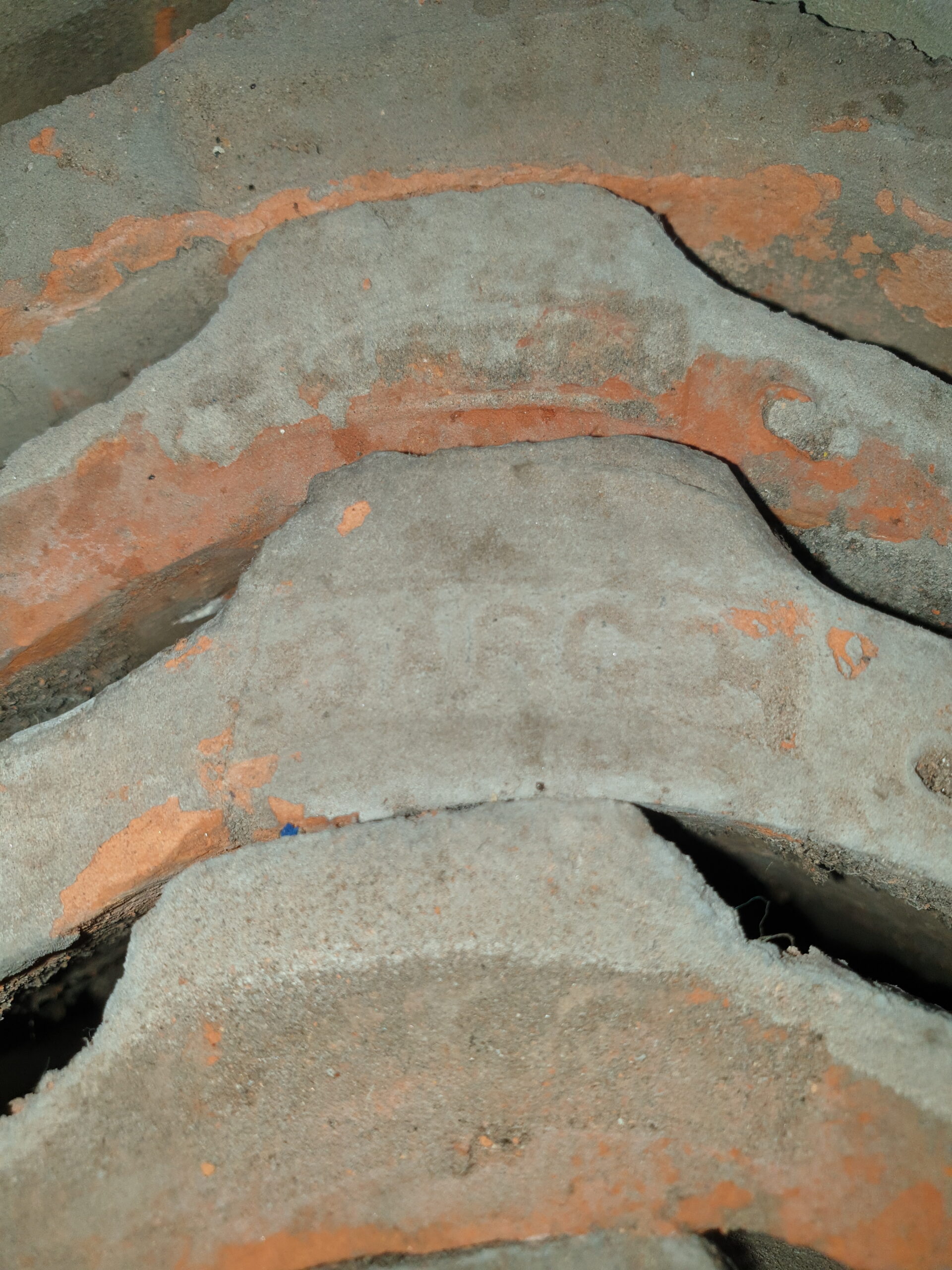
- Single Roman pantiles: these feature a flatter field with one prominent curve and tend to create a more regular, ordered appearance.
- Double Roman pantiles: these display two curves and produce a more pronounced, rhythmic roof pattern.
- Handmade Pantiles: prized for their variation, authenticity and suitability on conservation-led work.
- Interlocking Pantile: designed for efficiency and improved weathering, often with more predictable dimensions and fixing logic.
Pantiles | The Manufacturers
The UK pantile market includes several major manufacturers alongside smaller specialist producers. Over time, consolidation has shaped the sector, yet important independent and heritage-focused makers still remain. That mix matters because buyers often need a very different product depending on whether the roof is contemporary, rural, listed or part of a wider conservation scheme.
1. Sandtoft (Wienerberger)
Overview: One of the UK’s leading tile manufacturers, Sandtoft supplies both clay and concrete pantiles across traditional and modern ranges.
Products: Sandtoft 20/20 Interlocking Clay Pantile, Sandtoft Humber and selected handmade options for more sensitive schemes.
Uses: Strong across new builds, traditional developments and projects that need a recognised, established clay tile range.
2. Marley
Overview: Marley offers a broad roofing range that includes both concrete and clay pantile-style products.
Products: Marley Wessex and Marley Lincoln Pantile.
Uses: Suitable where buyers want pantile character across both contemporary and traditional roofscapes.
3. Redland (BMI Group)
Overview: Redland is well known for durable concrete roofing products designed for British conditions.
Products: Redland Regent and Redland Fenland Pantile.
Uses: Favoured where weather resistance and familiar domestic roofing performance are priorities.
4. Keymer (Wienerberger)
Overview: Keymer is particularly respected for handmade clay roof tiles and heritage-led production.
Products: Keymer Traditional Handmade Pantiles in conservation-friendly colourways.
Uses: Ideal for listed buildings and high-authenticity restoration work.
5. Dreadnought Tiles
Overview: A long-established family firm specialising in traditional clay roof tiles.
Products: Dreadnought Clay Pantiles and heritage-focused handmade ranges.
Uses: Excellent for restoration schemes where traditional production methods matter.
6. Clayhall Tile Works
Overview: A smaller specialist producer focused on handmade clay roofing for conservation markets.
Products: Bespoke handmade pantiles.
Uses: Best suited to specialist heritage restoration where close visual matching is essential.
7. William Blyth
Overview: Established in 1840, William Blyth is one of the UK’s oldest roofing manufacturers and is known for handmade clay products made from its own alluvial clay reserves near the Humber.
Products: Barco Old English Pantiles, produced in several rich, natural colour options.
Uses: Particularly strong where a traditional coal-fired aesthetic and heritage-compatible appearance are required.
Heritage roofing applications
Handmade Pantiles
Often specified where heritage authenticity really matters.
When restoring historic or listed buildings, handmade pantiles are often more than a design preference. In many cases, they are the only sensible route if the aim is to preserve the original character of the roof and satisfy conservation expectations.
- Aesthetic authenticity: variation in size, surface and firing gives handmade tiles the movement and softness machine-made alternatives often lack.
- Conservation compliance: listed buildings and conservation areas frequently call for historically appropriate materials.
- Durability: despite their traditional manufacture, handmade clay pantiles can be extremely durable when fired and used correctly.
- Customisation: specialist makers can often produce bespoke tiles to suit unusual existing roofs.
Conclusions
Pantiles remain a highly practical and visually distinctive roofing choice in the UK. Their shaped profile, long service history and ability to complement traditional architecture explain why they continue to appear on both repaired and newly built roofs.
For everyday roofing, machine-made and interlocking pantiles offer consistency and efficiency. On the other hand, for listed buildings and more sensitive restoration work, handmade pantiles often remain indispensable because they preserve the irregularity and depth that define older roofs.
Ultimately, pantiles succeed because they combine form and function so well. They look right in the landscape, they weather effectively and, when chosen carefully, they can serve both practical roofing needs and wider architectural aims.
How Much Are Reclaimed Roof Tiles Worth?
Reclaimed roof tiles can vary significantly in value depending on type, condition, quantity and demand. [...]
Jul
Reclaimed Roof Tiles: Where to Find Matching Roof Tiles in the UK
Finding matching roof tiles can be difficult, especially when repairing older properties. This guide explains [...]
Jun
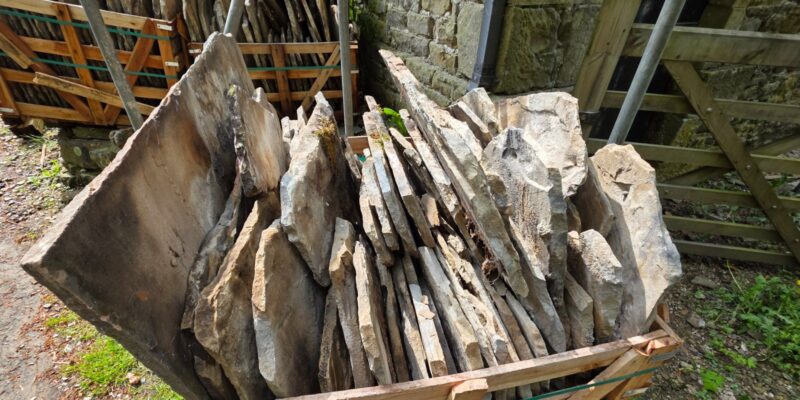
How to Sell Reclaimed Building Materials Online
Looking to sell reclaimed building materials, architectural salvage or surplus construction stock? The Reclaimed Company [...]
Jun

Reclaimed Ironmongery Guide: Hooks, Brackets, Handles & Hardware UK
Reclaimed Ironmongery: The Complete Guide to Hooks, Brackets, Handles & Hardware Reclaimed ironmongery brings together [...]
Apr
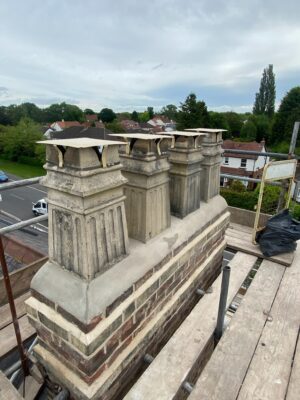
Choosing Reclaimed Chimney Pots & Terminals
Match the look and performance at the top of your stack. This guide explains how [...]
Feb
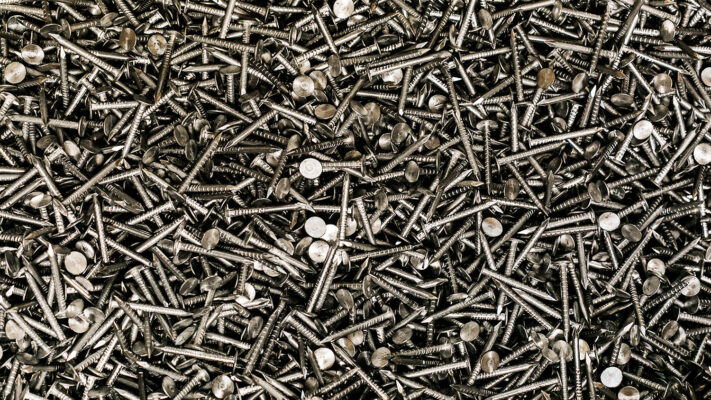
Best Fixings for Reclaimed Roof Tiles 2026
Which fasteners make reclaimed tile roofs last? This practical guide explains copper vs stainless nails, [...]
Jan
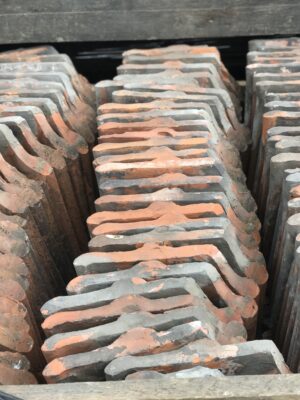
Calculate Reclaimed Roof Tile Quantities the Smart Way
Calculate Reclaimed Roof Tile Quantities the Smart Way Shortfalls burn programme time and budget. Over-ordering [...]
Dec
