

About The Reclaimed Company
Salvage Yards | A Comprehensive Overview

Oct
Search, buy and sell salvage
Salvage Yards Near Me
Search local salvage, discover characterful stock and give unwanted materials a second life through The Reclaimed Company. From architectural salvage and reclaimed timber to vintage furniture and one-off finds, the right yard can unlock some of the most interesting materials in the market.
More importantly, if you run a yard yourself, the same platform can help you reach a far wider audience than footfall alone ever will.
Introduction to salvage yards
Why Salvage Yards Matter More Than Ever
Salvage yards, also known as reclamation yards, play a vital role in the reuse of materials that might otherwise head straight to landfill. They sit at the meeting point between sustainability, character and practical value, which is why interest in salvage has risen so sharply.
Today, contractors, homeowners, designers and collectors all use salvage yards for different reasons. Some want affordable second-hand materials. Others want heritage pieces with real age and texture. Meanwhile, many simply want to buy more responsibly and avoid unnecessary waste.
In short: salvage yards are not only recycling centres. They are curated spaces where useful, repairable and often beautiful materials are given a chance to work again.

A good salvage yard offers far more than scrap value. It provides access to reuse, character and materials that often outperform mass-produced alternatives.
What Is a Salvage Yard?
A salvage yard is a facility where used, surplus, damaged or dismantled items are collected, sorted and resold for reuse. While each yard has its own specialism, most fall into one or more of the following categories:
Architectural Salvage
Doors, windows, fireplaces, tiles, beams, ironwork and reclaimed building materials recovered from demolition, strip-out or restoration projects.
Industrial Salvage
Machinery, metalwork, fittings and reclaimed components from factories, workshops and industrial sites.
Household & Decorative Salvage
Furniture, lighting, mirrors, storage, vintage objects and character pieces ready to be reused, restored or upcycled.
Although some yards focus narrowly, others offer a broad mix of stock. Either way, the shared goal remains the same: keep good materials in circulation and reduce avoidable waste.
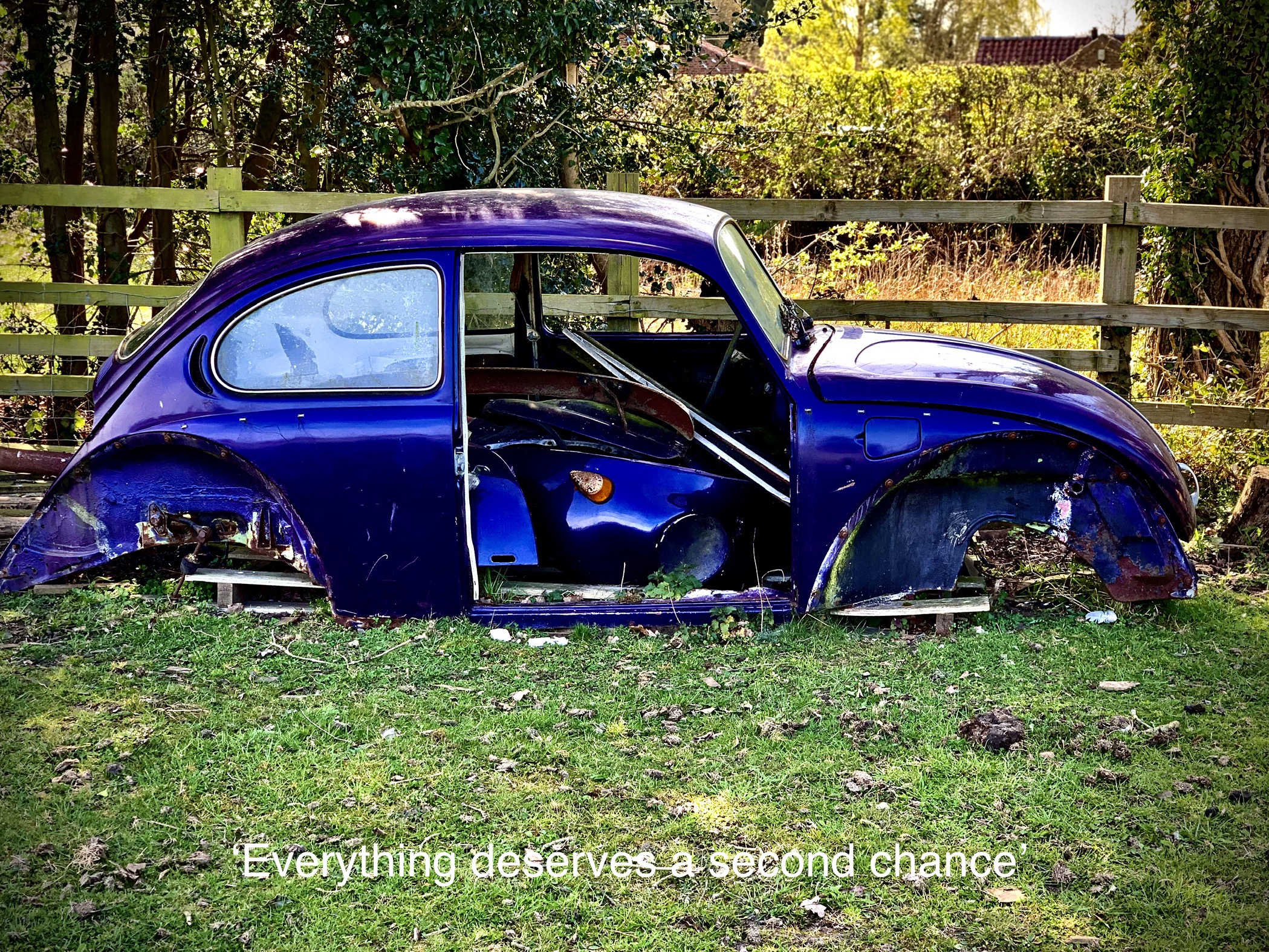
The appeal of salvage now stretches well beyond trade buying. Designers, homeowners and collectors are all part of the market.
The Rise of Salvage and Reclamation
The salvage sector has grown because several strong trends now point in the same direction. First, more people want sustainable alternatives to new production. Second, buyers increasingly value materials with provenance, patina and individuality. Third, rising build costs have made reclaimed stock more attractive from a budget perspective too.
As a result, salvage yards now serve a much wider audience than they once did. What used to be a niche market for specialists has become a mainstream resource for sourcing distinctive and practical materials.
- Sustainability: reuse reduces waste and cuts demand for new manufacturing.
- Historical preservation: reclaimed materials help keep older buildings authentic.
- Unique aesthetic value: aged surfaces and original detailing add character that new products rarely match.
- Cost savings: many second-hand materials offer strong value compared with new equivalents.
Looking for a salvage yard near you?
Use The Reclaimed Company to search nearby reclamation yards, discover specialist sellers and connect with stock that suits your project more precisely.
The Scope of the Salvage Yard Industry
The salvage sector spans multiple industries and regions. In the UK, Europe and the USA, reclamation yards support sustainable construction, repair, creative reuse and industrial recycling on a significant scale. The exact numbers vary, of course, but the broader picture is clear: this is no fringe market.
Salvage Yards in the UK
The UK has a strong architectural salvage tradition, with many yards focusing on reclaimed building materials, vintage fixtures and restoration-friendly stock. Demand remains particularly strong for timber, bricks, tiles, stone and period details, especially where buyers need to match older buildings sympathetically.
Salvage Yards in Europe
Across Europe, reclamation is closely linked to architectural preservation and reuse culture. Countries with deep building heritage tend to support a strong market for recovered materials, whether the focus is decorative salvage, masonry, joinery or industrial stock.
Salvage Yards in the USA
The USA supports one of the broadest salvage landscapes in the world, ranging from architectural yards and industrial surplus dealers to automotive and heavy-equipment dismantlers. Consequently, the market serves both highly specialised buyers and the wider public.
The important point: wherever you are, the salvage industry now sits firmly inside the wider circular economy. It is no longer a side conversation. It is part of how more people expect useful materials to move.
A better way to sell yard stock
The Reclaimed Company: A Platform Built for Salvage
As demand for reclaimed materials continues to grow, yard owners need more than a static website or local trade reputation. They need a platform that puts their stock in front of people already searching for salvage. That is where The Reclaimed Company comes in.
Rather than asking salvage sellers to fit awkwardly into a generic marketplace, The Reclaimed Company creates a more relevant environment for reclaimed goods. Buyers arrive looking specifically for second-hand materials, vintage pieces and salvage stock, which means the traffic is much better aligned with the product.
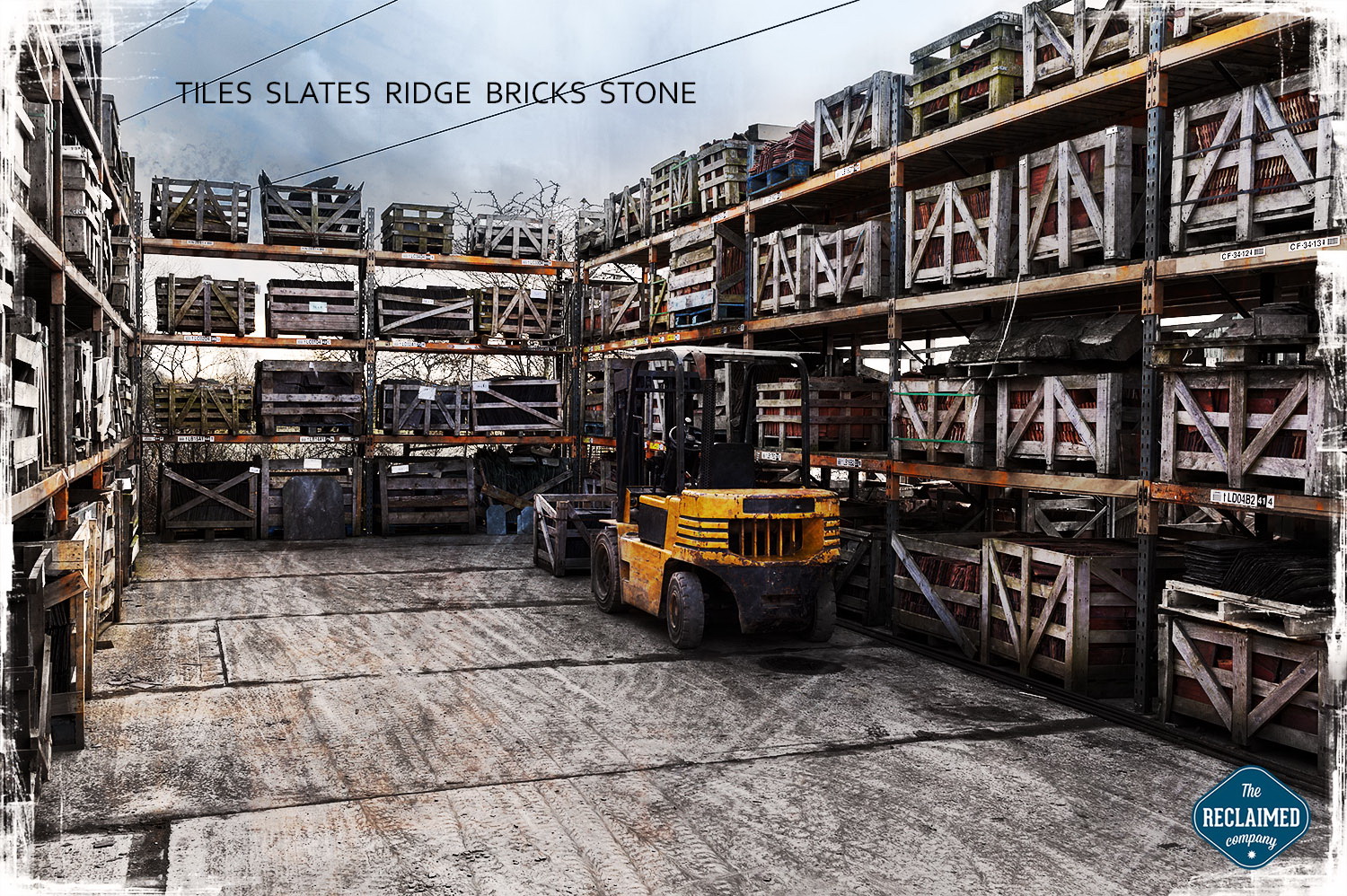
A specialist platform gives salvage yards a stronger route to market than a generic classifieds listing ever can.
Why List Your Salvage Yard on The Reclaimed Company?
- Global audience: your stock becomes visible to buyers far beyond local footfall.
- Relevant marketplace: the platform is built around reclaimed and salvaged goods, not generic listings.
- Flexible selling options: list single items, grouped stock or the wider contents of your yard.
- Dedicated support: better listings, better visibility and a clearer route to enquiries.
- Increased visibility: buyers already searching for salvage find your stock more easily.
How to List Your Salvage Yard on The Reclaimed Company
Getting started is straightforward. More importantly, the platform lets you build a digital presence that can grow alongside your physical yard.
Step 1: Create an Account
Set up your seller profile with the key business information buyers will need, including location, contact details and stock focus.
Step 2: Choose Your Listing Approach
List individual items, grouped categories or larger quantities depending on how your stock is best presented.
Step 3: Add Better Content
Upload strong photos, accurate descriptions and practical details such as sizes, material type, age, condition and collection options.
Step 4: Set Your Prices
Price competitively and clearly so buyers can assess value without unnecessary back-and-forth.
Step 5: Manage Enquiries
Respond quickly, answer clearly and help potential buyers understand exactly what is available.
Step 6: Arrange Collection or Shipping
Once a sale is agreed, finalise logistics in a way that protects both the transaction and the material.

Search visibility matters. Buyers looking for “salvage yards near me” need a route that connects location with real stock and real sellers.
Why “Near Me” Search Has Become So Important
People increasingly search with immediate intent. They do not just want to know what salvage is; they want to know where to find it nearby. That makes location-based search a major part of the buyer journey.
For sellers, that creates a real opportunity. By listing through a platform built around salvage, your stock becomes easier to discover when people search locally. At the same time, buyers benefit because they can source more efficiently and often reduce transport distances too.
That local-to-global balance is one of the strongest parts of the The Reclaimed Company model. Buyers can search nearby, while sellers still gain exposure far beyond their immediate area.
Frequently Asked Questions
What kinds of salvage yards can list on The Reclaimed Company?
Architectural salvage yards, reclamation yards, decorative salvage businesses and wider second-hand material sellers can all benefit, provided the stock fits the reclaimed, reused or vintage market.
Can I list single items as well as full yard contents?
Yes. You can list individual items, grouped materials or broader stock ranges depending on how you want buyers to view your inventory.
Why is a specialist salvage platform better than a generic marketplace?
Because the audience is more relevant. Buyers arrive specifically looking for reclaimed, second-hand and salvage goods, which usually leads to better quality enquiries.
Is The Reclaimed Company useful for buyers as well as sellers?
Absolutely. Buyers can search local yards, discover specialist stock and source more characterful materials than they would typically find through standard retail channels.
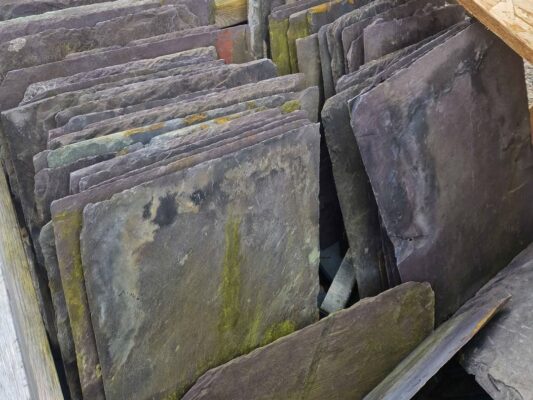
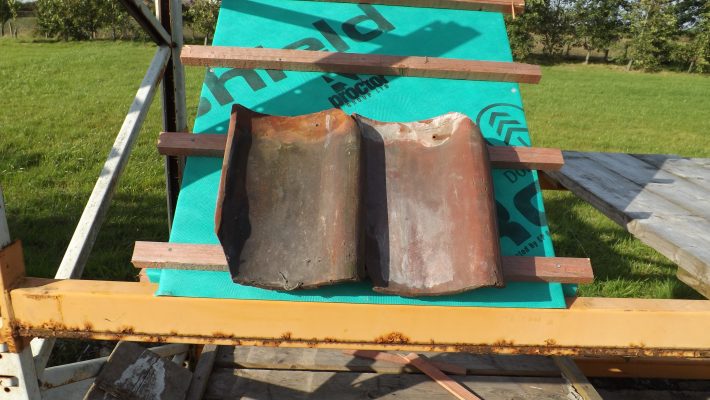
How Much Are Reclaimed Roof Tiles Worth?
Reclaimed roof tiles can vary significantly in value depending on type, condition, quantity and demand. [...]
Jul
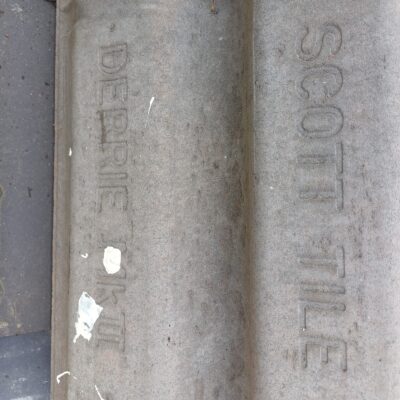
Reclaimed Roof Tiles: Where to Find Matching Roof Tiles in the UK
Finding matching roof tiles can be difficult, especially when repairing older properties. This guide explains [...]
Jun
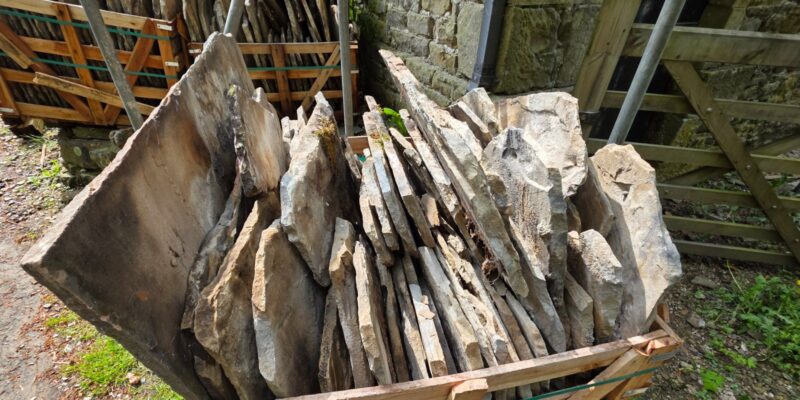
How to Sell Reclaimed Building Materials Online
Looking to sell reclaimed building materials, architectural salvage or surplus construction stock? The Reclaimed Company [...]
Jun

Reclaimed Ironmongery Guide: Hooks, Brackets, Handles & Hardware UK
Reclaimed Ironmongery: The Complete Guide to Hooks, Brackets, Handles & Hardware Reclaimed ironmongery brings together [...]
Apr
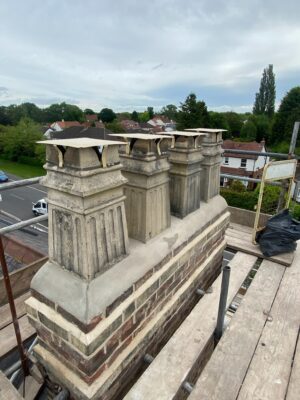
Choosing Reclaimed Chimney Pots & Terminals
Match the look and performance at the top of your stack. This guide explains how [...]
Feb
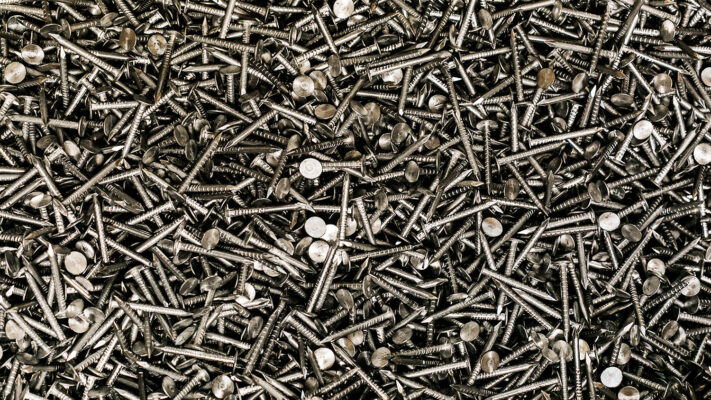
Best Fixings for Reclaimed Roof Tiles 2026
Which fasteners make reclaimed tile roofs last? This practical guide explains copper vs stainless nails, [...]
Jan
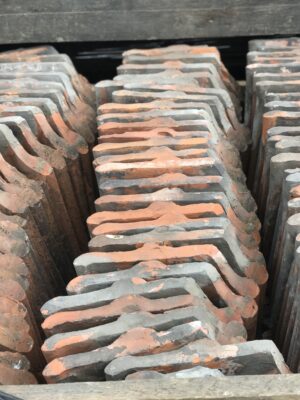
Calculate Reclaimed Roof Tile Quantities the Smart Way
Calculate Reclaimed Roof Tile Quantities the Smart Way Shortfalls burn programme time and budget. Over-ordering [...]
Dec
