

-
×
 Bottle Opener Wall Mounted COCA COLA Cast Antique Iron
2 × £4.37
Bottle Opener Wall Mounted COCA COLA Cast Antique Iron
2 × £4.37 -
×
 Bottle Opener Wall Mounted BRAINS BREWERY Cast Antique Iron
1 × £4.37
Bottle Opener Wall Mounted BRAINS BREWERY Cast Antique Iron
1 × £4.37 -
×
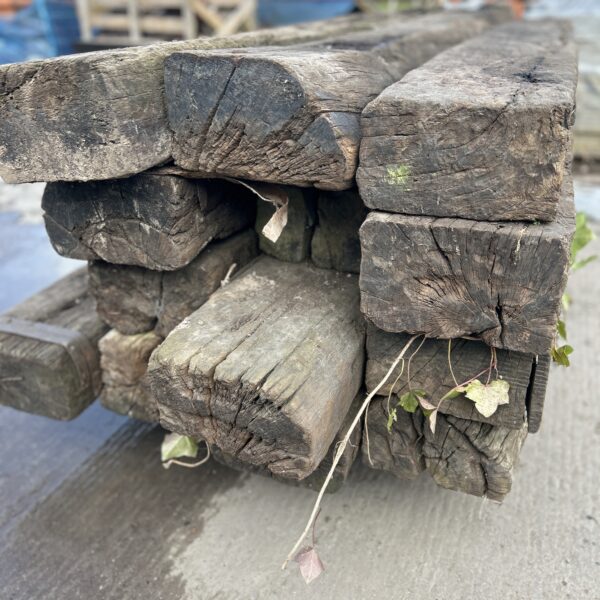 Reclaimed Sleepers 02
1 × £55.00
Reclaimed Sleepers 02
1 × £55.00
Upcycling Ideas
20 Upcycling Ideas for Wooden Sleepers

26
Mar
Mar
Reclaimed timber ideas
20 Upcycling Ideas for Wooden Sleepers
Second-hand wooden sleepers offer one of the most versatile reclaimed products in the landscape and garden market. They are robust, characterful and highly adaptable, which makes them ideal for practical builds as well as design-led projects.
Whether you want to shape a garden, build durable outdoor furniture or introduce rustic detailing indoors, reclaimed sleepers give you a sustainable material with real visual weight and long-term usefulness.
Why sleepers work so well
Why Upcycling Wooden Sleepers Makes Sense
Upcycling second-hand wooden sleepers is a practical and visually rewarding way to reuse solid timber that still has plenty of life left in it. Because sleepers are substantial in size and naturally weather into attractive tones, they suit both functional and decorative applications.
They also work particularly well for projects where strength matters. Garden structures, raised beds, retaining details and outdoor seating all benefit from a material that already feels grounded, aged and durable.
Simple advantage: reclaimed sleepers do not need to look perfect to be useful. In fact, their wear, grain, surface checking and age often add to the finished result.

Reclaimed sleepers bring weight, texture and natural weathering that many new timbers struggle to replicate convincingly.
Garden and Landscaping Ideas
Wooden sleepers really come into their own outdoors. Their size, strength and visual presence make them ideal for shaping gardens, managing levels and creating practical features with a rustic edge.
1. Raised garden beds
Build sturdy, long-lasting beds for vegetables, herbs or flowers with a strong natural edge.
2. Garden edging
Use sleepers to define borders, split zones and give pathways a more deliberate shape.
3. Retaining walls
Stack sleepers to create attractive retaining features for sloped gardens and terraced spaces.
4. Garden steps
Cut sleepers into sections and bed them into the ground to form robust weathered steps.
5. Outdoor bench
Create a heavy, durable garden bench that feels substantial and fits naturally into the landscape.
6. Pergola or arbor
Use sleepers as structural uprights for shaded seating areas, climbing plants or garden entrances.
7. Planters and troughs
Form box planters or hollow selected sections for bold planting features with real presence.
8. Compost bin
Build a large, durable composting structure that looks tidy and stands up to outdoor use.
9. Bug hotel
Drill into older sleepers and combine them with other natural materials to support beneficial insects.
10. Fire pit seating
Arrange sleepers around a fire pit to create simple, informal and highly durable seating.
11. Pathways and walkways
Lay sleepers flat to form strong garden paths that feel rustic, practical and well defined.
12. Decking edges and patio framing
Use sleepers to frame patios, define transitions and introduce heavier landscape detailing.

Sleepers suit hard landscaping particularly well because they combine structural usefulness with a warm, aged finish.
Outdoor Structures and Furniture
Because sleepers are substantial sections of timber, they also work brilliantly for built features and outdoor furniture. In many cases, their mass is part of the appeal.
- 13. Rustic table – Build an outdoor dining table or indoor statement piece with serious weight and character.
- 14. Swing stand – Form a heavy-duty support frame for a timber swing or garden seat.
- 15. Fence or privacy wall – Stand sleepers vertically or horizontally to create strong visual screening.
- 16. Low boundary features – Use them to define spaces without introducing lightweight or temporary-looking edges.
- 17. Utility storage surrounds – Build timber housings or enclosures for bins, logs or garden supplies.
Practical point: when you use reclaimed sleepers structurally, always think about weight, stability and fixing method first. Their mass is a benefit, but it needs planning.
Retain the products and build the project around them
If you are working with reclaimed timber, it helps to begin with good stock. Strong, serviceable sleepers make every later decision easier, whether you are landscaping, building furniture or creating something entirely bespoke.
Indoor and Decorative Projects
Sleepers are often thought of as purely external materials. However, they can work extremely well indoors when used thoughtfully. Their texture and age bring warmth, weight and visual history into interior schemes.
18. Shelving unit
Cut and stack sleepers to create chunky shelving with a workshop, farmhouse or industrial feel.
19. Rustic coffee table
Use sleeper sections to make a coffee table that feels grounded, simple and highly durable.
20. Headboard
Create a weathered timber headboard that adds depth and character to a bedroom scheme.
21. Mantelpiece
A single sleeper can make an excellent mantel with real age, texture and visual strength.
22. Bookshelf or wine rack
Shape or carve sleeper sections to create practical storage with a distinctive reclaimed finish.
23. Console or hallway bench
Reclaimed timber works well in entrance spaces where durability and first impressions both matter.
Each of these ideas shows how versatile reclaimed wooden sleepers can be. They reduce waste, create useful structures and bring a level of authenticity that newly machined timber often lacks.
Shop the Sleepers
These retained product links sit naturally within the article and keep the buying route clear for readers who want to move from ideas into action.
Sale!

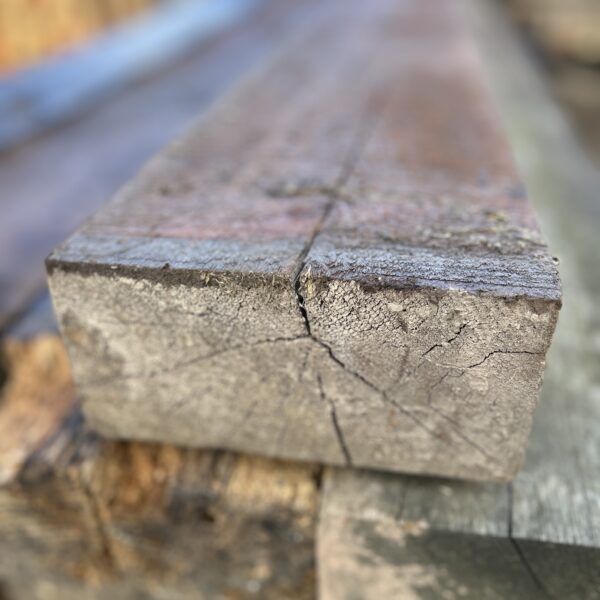
Wood Products
Original price was: £65.00.£55.00Current price is: £55.00. + Vat
Sale!
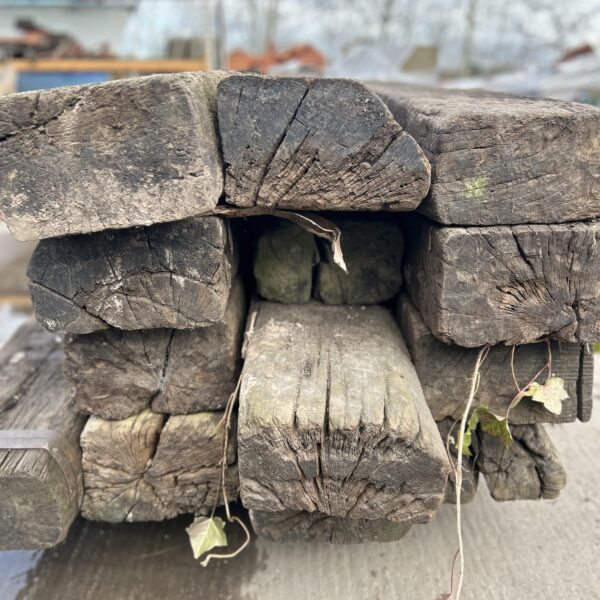
Wood Products
Original price was: £65.00.£55.00Current price is: £55.00. + Vat

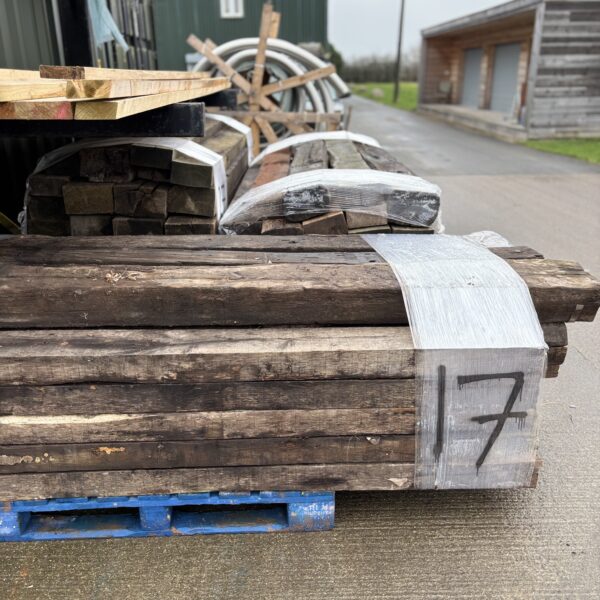
Sale!
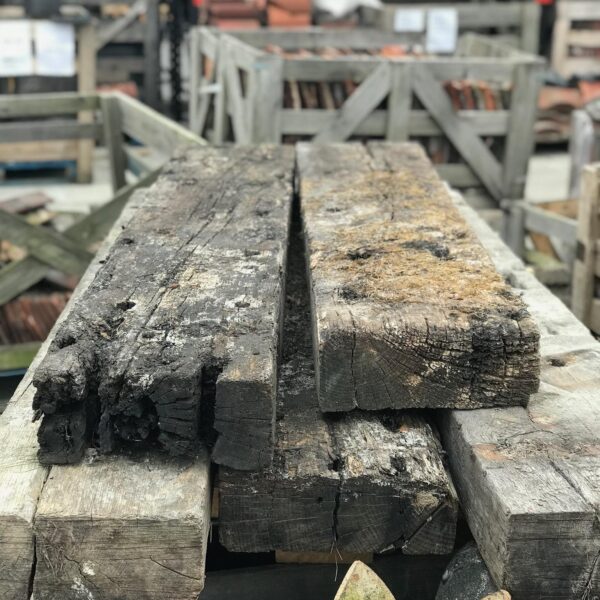
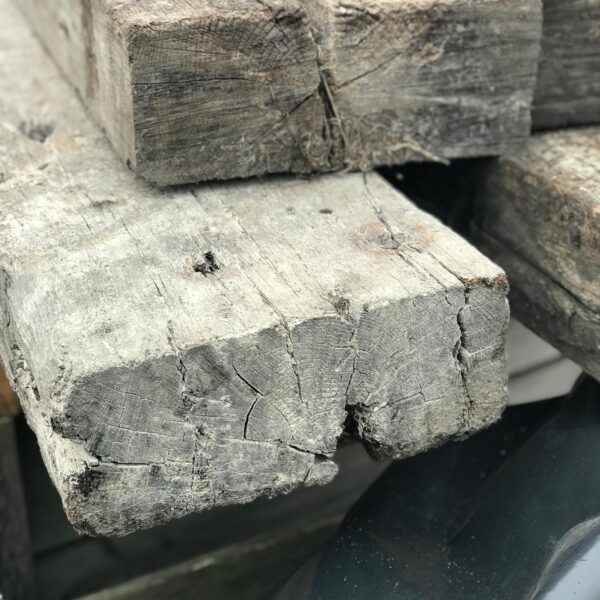
Out of stock
Wood Products
Original price was: £200.00.£150.00Current price is: £150.00. + Vat
Where Reclaimed Wooden Sleepers Come From
One reason reclaimed sleepers remain so popular is their provenance. They often come from demanding environments where durability was essential from the start. That history gives them both character and practical credibility.
1. Railway Tracks
- The best-known source of reclaimed sleepers is the railway network.
- These beams originally supported track systems and were removed when rail infrastructure was upgraded.
- Many were made from dense hardwoods such as oak or tropical hardwood species, which explains their long life.
2. Bridges and Trestles
- Older railway and vehicular bridges sometimes incorporated heavy timber sections similar to sleepers.
- When those structures were dismantled or refurbished, usable pieces often entered the reclaimed market.
3. Docks and Harbours
- Marine and dockside settings used substantial timber because it could withstand load, moisture and hard working conditions.
- These reclaimed pieces often develop especially attractive weathering over time.
4. Mining Operations
- Mining infrastructure historically relied on durable timber for rail lines, supports and service areas.
- That background often means the timber was chosen for strength first, appearance second.
5. Industrial Sites and Warehouses
- Heavy-duty timber sections appeared in loading areas, floors, supports and industrial storage environments.
- These reclaimed members can suit practical garden and structural reuse particularly well.
6. Agricultural and Farm Use
- Farmers frequently reused railway sleepers and similar sections for barns, fencing and enclosures.
- As these installations are replaced, useful material often re-enters the salvage market.
7. Demolished Buildings
- Large reclaimed timber sections can also come from old barns, mills and other heavy timber-framed buildings.
- These pieces often carry particularly appealing age, saw marks and weathering, making them ideal for design-led reuse.
Why provenance matters: reclaimed sleepers are valued not only for size and durability, but also for the visual history they bring into a finished project.
How to Choose the Best Sleepers for Your Project
Not every reclaimed sleeper suits every job. A good choice depends on the intended use, the condition of the timber and the look you want to achieve.
- For raised beds and retaining features, prioritise structural soundness and consistent section size.
- For furniture projects, look more closely at grain, surface quality and visual character.
- For decorative indoor use, choose sleepers with attractive weathering but limited structural cracking.
- For garden steps and pathways, check stability, squareness and how the timber will sit against the ground.
Above all, start with stock that still feels serviceable. Reclaimed timber should show its age, but it should still feel capable of doing the job you want it to do.

Reclaimed Roof Tiles: Where to Find Matching Roof Tiles in the UK
Finding matching roof tiles can be difficult, especially when repairing older properties. This guide explains [...]
22
Jun
Jun
How to Sell Reclaimed Building Materials Online
Looking to sell reclaimed building materials, architectural salvage or surplus construction stock? The Reclaimed Company [...]
15
Jun
Jun

Reclaimed Ironmongery Guide: Hooks, Brackets, Handles & Hardware UK
Reclaimed Ironmongery: The Complete Guide to Hooks, Brackets, Handles & Hardware Reclaimed ironmongery brings together [...]
17
Apr
Apr
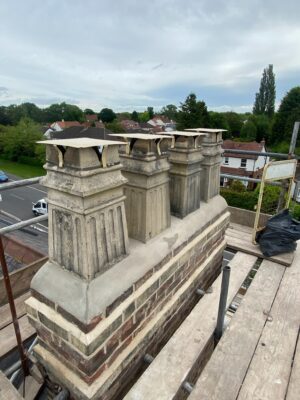
Choosing Reclaimed Chimney Pots & Terminals
Match the look and performance at the top of your stack. This guide explains how [...]
10
Feb
Feb
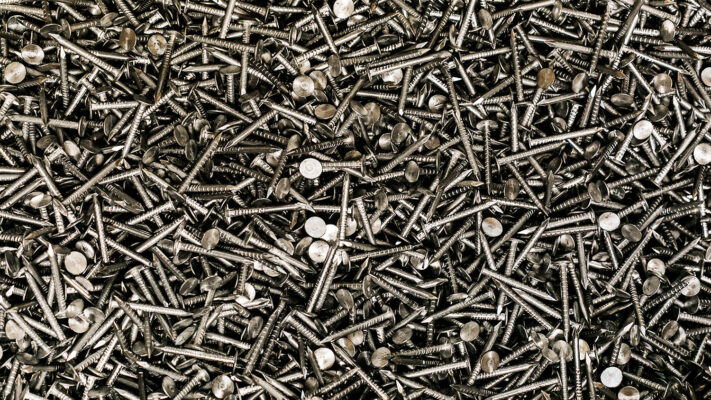
Best Fixings for Reclaimed Roof Tiles 2026
Which fasteners make reclaimed tile roofs last? This practical guide explains copper vs stainless nails, [...]
09
Jan
Jan
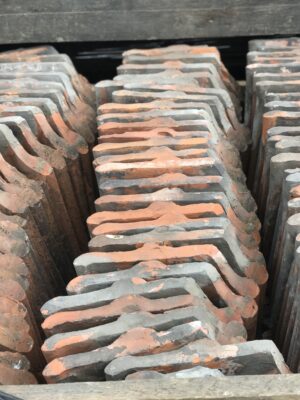
Calculate Reclaimed Roof Tile Quantities the Smart Way
Calculate Reclaimed Roof Tile Quantities the Smart Way Shortfalls burn programme time and budget. Over-ordering [...]
11
Dec
Dec
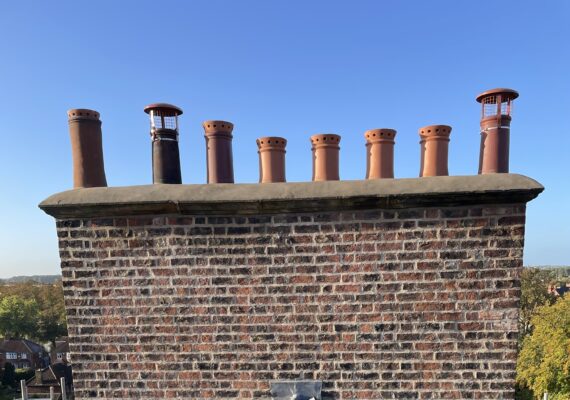
Roof Ventilation with Pepper Pot Inserts: A Quick Win
Pepper pot inserts deliver discreet, effective roof ventilation for heritage and reclaimed projects. Learn when [...]
28
Nov
Nov
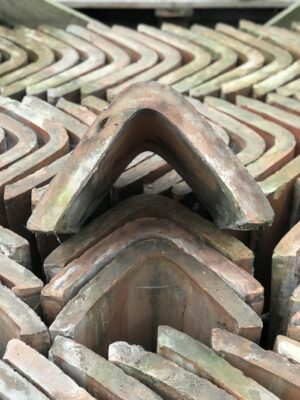
How to Match Reclaimed Ridge Tiles First Time
A practical, no-nonsense guide to matching reclaimed ridge tiles—how to identify profile and angle, colour-blend [...]
21
Nov
Nov
