

-
×
 New Spanish Slate 16" x 8"
1 × £1.20
New Spanish Slate 16" x 8"
1 × £1.20 -
×
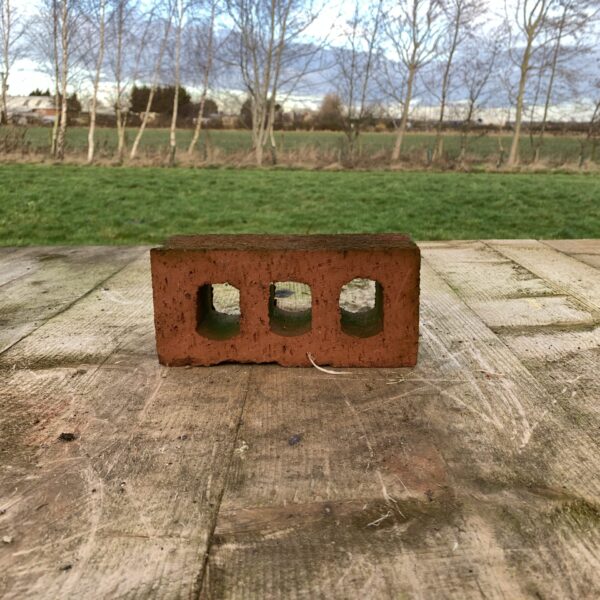 Brick
1 × £0.50
Brick
1 × £0.50 -
×
 500mm x 250mm Spanish Lousaval
1 × £2.10
500mm x 250mm Spanish Lousaval
1 × £2.10
About The Reclaimed Company
Reclamation Yards UK | What’s New & Reclaimed For 2025
13
Mar
Mar
Reclamation in transition
The Evolution of Reclamation Yards in the UK
Reclamation yards have long supported the UK’s building, roofing and architectural sectors by keeping valuable materials in circulation. Today, however, the market is changing. Supply is tighter, competition is stronger and customer expectations are higher than ever.
Businesses that want to stay relevant now need more than stock alone. They need digital visibility, broader product ranges and a clearer route into the modern reuse economy. The Reclaimed Company® is one example of that shift in action.
Reclamation today
The State of the UK Reclamation Yard Industry
Reclamation yards still play a vital role in sustainable construction, conservation work and repair-led building projects. They salvage and repurpose materials from demolitions, refurbishments and strip-outs, then bring those materials back to market for reuse.
For many years, that model served a relatively specialist customer base. Today, the audience is much wider. Architects, builders, roofers, designers, developers and homeowners all use reclaimed materials for different reasons. Some want authenticity. Others want sustainability. Many want both.
What has changed? Reclamation businesses now need to combine traditional yard stock with stronger online access, better presentation and more flexible product offers if they want to compete effectively.
Digital access now matters almost as much as physical stock. Reclamation businesses increasingly need both.
The Business Outlook for Reclamation Yards in the UK
The UK’s reclamation and salvage sector still benefits from strong long-term demand. Even so, the industry is changing shape. Several market forces now influence how yards operate and where they find growth.
1. Rising Demand for Sustainable Building Materials
As sustainability moves closer to the centre of construction decision-making, reclaimed materials become more attractive. Reuse reduces waste, lowers embodied carbon and supports circular economy thinking. For that reason, reclamation yards are no longer relevant only to niche buyers. They are becoming important to mainstream procurement conversations as well.
2. Challenges in the Supply Chain
Demand may be rising, but supply is not always easy. In many regions, access to good salvageable materials has become more competitive. Demolition patterns vary, redevelopment cycles shift, and not every strip-out yields reusable stock of sufficient quality. As a result, many yards need to think more strategically about sourcing, stockholding and category mix.
3. The Impact of E-Commerce and Digital Transformation
Customers increasingly expect to browse remotely, compare stock quickly and enquire without needing to visit in person first. Consequently, reclamation businesses that rely only on yard traffic can lose ground. A stronger online presence now helps businesses reach further, communicate better and convert more effectively.
4. Diversification as a Survival Strategy
To remain commercially resilient, many reclamation yards are expanding beyond pure salvage. Some now include complementary building products, roofing supplies, fittings and ancillary items. That allows them to serve customers who want both reclaimed stock and practical project essentials in one place.
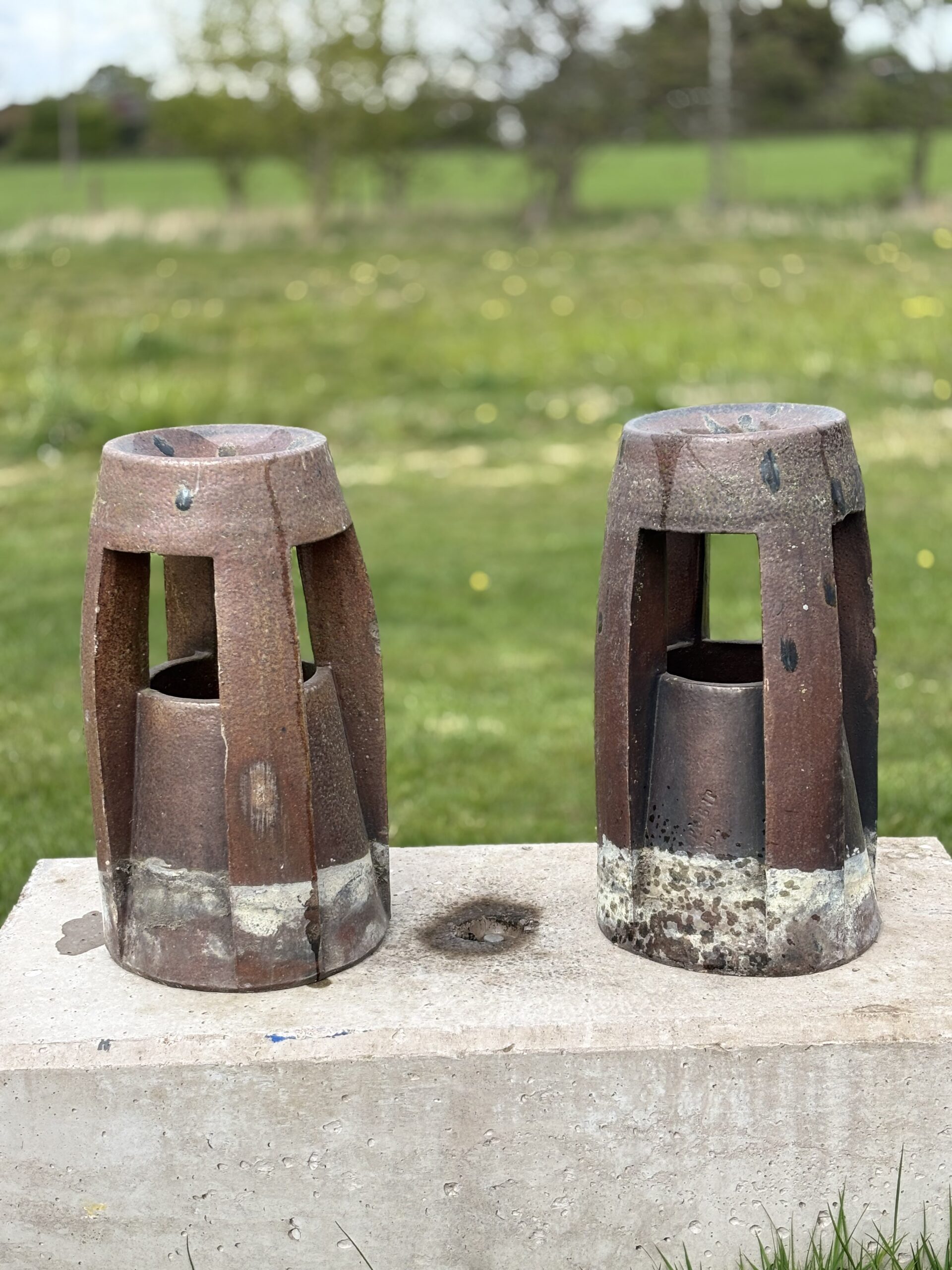
Stock depth still matters. However, stronger category structure and better customer access increasingly matter too.
Market trends
How The Reclaimed Company Has Adapted
The Reclaimed Company® has responded to these market changes in a practical way. Rather than relying only on a traditional yard model, it has widened its offer and built a stronger digital route for buyers and sellers.
To serve customers more effectively, the business has focused on three clear developments:
- Continued growth of its online listings platform, giving individuals and similar businesses a low-cost route to sell second-hand goods.
- Integration of new products that sit naturally alongside the company’s core focus on salvaged roofing materials, especially within the roofing supplies category.
- Ongoing engagement with customers and trade users to streamline how local roofing businesses source relevant products more efficiently.
Reclamation yards now need more than a yard
They need stock, visibility, category depth and a buying journey that works for both trade users and the public. That is where stronger digital infrastructure becomes a real advantage.
Key Strategic Shifts Behind the Change
1. Expansion into New Product Categories
To reach a broader market, The Reclaimed Company® has expanded into new roofing supplies and related products that sit logically beside salvaged roofing materials. This helps the business serve both traditional reclamation buyers and customers who still need new ancillary items to complete a project sensibly.
That approach broadens the audience. It also makes the platform more useful in everyday practice, especially for builders, contractors and homeowners who want fewer procurement steps.
2. Launch of a Digital Platform
The launch of www.thereclaimedcompany.com reflects a wider move toward digital accessibility and marketplace thinking. Rather than acting only as a single-yard website, the platform supports a broader ecosystem of buyers, sellers and reclamation-led businesses.
- Convenience: users can browse products, compare options and make enquiries from anywhere.
- Expanded reach: sellers can connect with customers far beyond their immediate locality.
- Better transparency: listings provide clearer information about product type, condition and provenance.
3. Catering to a Broader Customer Base
Traditional reclamation yards often served relatively narrow audiences. By contrast, The Reclaimed Company® now caters to a far wider mix of users, including:
- Homeowners sourcing reclaimed materials for renovation work
- Builders and contractors seeking sustainable alternatives
- Architects and designers blending reclaimed stock into modern projects
- Retailers and specialist businesses seeking distinctive salvaged products
The Future of the Reclamation Industry
The wider direction of travel is clear. Reclamation yards that adapt intelligently are likely to strengthen their position. Those that rely entirely on old models may find the market harder to navigate.
Increased digital integration
More yards will invest in ecommerce, better stock presentation and online marketplace visibility to improve customer access and enquiry flow.
Growth in sustainable building practice
As sustainability becomes more important in construction, reclaimed materials should see stronger demand from both domestic and commercial buyers.
Expansion into related markets
Many yards will continue diversifying into compatible product lines such as roofing supplies, upcycled items and broader eco-focused building categories.
Stronger collaboration
Partnerships between yards, designers, contractors and specialist trades are likely to grow as projects demand more integrated material solutions.
More customer education
Businesses that explain the value of reclaimed materials clearly will build stronger trust and convert more effectively.
Better customer experience
Stock quality still matters, but service, speed, accessibility and clarity increasingly shape which businesses customers return to.
Salvage and new
Conclusions


The UK reclamation yard industry is not disappearing. It is evolving. Supply pressures, competition and changing customer expectations have created a more demanding environment, yet they have also opened new opportunities for businesses willing to rethink how they operate.
The Reclaimed Company® offers a useful example of that evolution. By widening its offer, strengthening its online presence and serving a broader customer base, it has positioned itself for a market where salvage alone is no longer enough. Practical relevance, digital access and category intelligence now matter just as much.
As demand for sustainable building materials grows, reclamation businesses that innovate, diversify and communicate clearly should be well placed to thrive. Those businesses will not simply survive market change. They will help shape the future of reclamation itself.
The direction is clear: the future belongs to reclamation businesses that combine salvage expertise with modern access, complementary products and a better customer journey.
