

About The Reclaimed Company
The Salvage Scene 🎬 | Act 1: The UK 🇬🇧
Sep
The Salvage Scene
Love It Retro | Love It Reclaimed ❤️
Get on the salvage scene and start turning surplus items into cash. The principle is simple: if it is second hand, pre-loved, reclaimed, upcycled, retro, vintage or simply in need of a new home, it belongs in front of buyers who value it properly.
The Reclaimed Company marketplace exists to connect those buyers and sellers through a dedicated reuse-led platform. In other words, it is not about clutter. Instead, it is about character, provenance and giving useful things another life.
A passion for reclamation
Get on The Salvage Scene
The salvage economy keeps growing because more people now recognise the value of reuse. Homeowners want character. Designers want originality. Reclamation yards want broader reach. Meanwhile, buyers increasingly prefer authentic materials and second-hand goods over wasteful replacements.
That shift creates a real opportunity. Rather than letting useful stock sit in a yard, a shed, a garage or a workshop, sellers can list it in a specialist marketplace built around reclamation, salvage and second-life products.
Simple idea, bigger outcome: list the right item in the right environment, and it stops being surplus stock. Instead, it becomes somebody else’s next project, feature piece or essential material.

The salvage scene is about more than old stock. It is about recognising value, presenting it properly and connecting it with buyers who understand what it is.
Why salvage
Be Resourceful
Together, reclaim, reuse and recycle form a practical response to some of the biggest environmental pressures facing the built environment and consumer culture more generally. Each one plays a slightly different role, yet all three push in the same direction.
- Reclaim reduces demand for newly manufactured materials by giving existing items a second chance.
- Reuse extends the life of products and prevents perfectly useful stock from becoming waste.
- Recycle helps materials re-enter circulation rather than disappearing into landfill.
As a result, buyers reduce their environmental footprint, sellers recover value from unused goods and the wider market moves a little further away from the throwaway model.
The strongest salvage platforms do more than list items. They make reuse visible, practical and commercially worthwhile.
Salvage sectors
Where the Salvage Scene Fits


Add the contents of your yard
Sourcing Salvage | The Salvage Scene
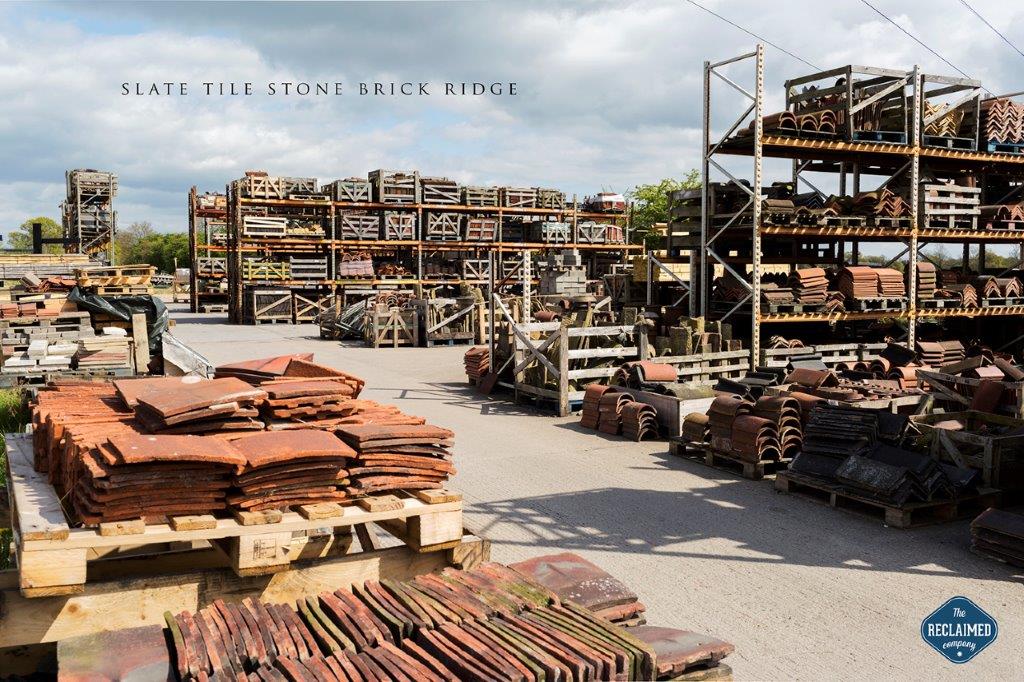
Adding the contents of a reclamation yard to The Reclaimed Company marketplace is a practical way to increase visibility and reach eco-conscious buyers, trade customers and people actively seeking second-hand materials. Good listings do more than show what is for sale. They also tell the story of the stock, explain the condition and present the material in a way that builds trust.
Quality images of reclaimed timber, vintage fixtures, architectural elements, salvaged roofing materials or one-off yard finds make a real difference. Equally, strong descriptions help buyers understand whether the item is rare, decorative, structural, unusual or simply useful.
Most importantly, the platform is built specifically for reclamation, salvage, antiques and the wider second-hand market. It is not a home for new mass-produced stock. Instead, it encourages the reuse of items that are now surplus to someone else’s requirements.
“Everything deserves a second chance”

Reclamation yards worldwide can use the platform as a digital shopfront, helping more people discover stock that would otherwise remain local and hidden.
Reclamation yards worldwide…
Reach more people…
Start selling online….
All rights reserved
Why it works
The Salvage Scene Is Bigger Than a Listing Page
The best salvage marketplaces do more than host classified ads. They create a culture around reuse. They help buyers discover unusual stock. They give sellers a framework that feels more aligned with reclamation than generic selling platforms ever could. Consequently, the listings make more sense, the audience is more relevant and the whole process feels closer to the real trade in second-hand goods.
That matters whether you are selling a few interesting household pieces, clearing a workshop, shifting architectural salvage or opening up the contents of an entire yard to a wider audience. In every case, the aim is the same: move useful items into the hands of people who genuinely want them.
Bottom line: when you get on the salvage scene, you are not just selling stock. You are joining a marketplace built around reuse, provenance, sustainability and the simple idea that old can still be valuable.
How Much Are Reclaimed Roof Tiles Worth?
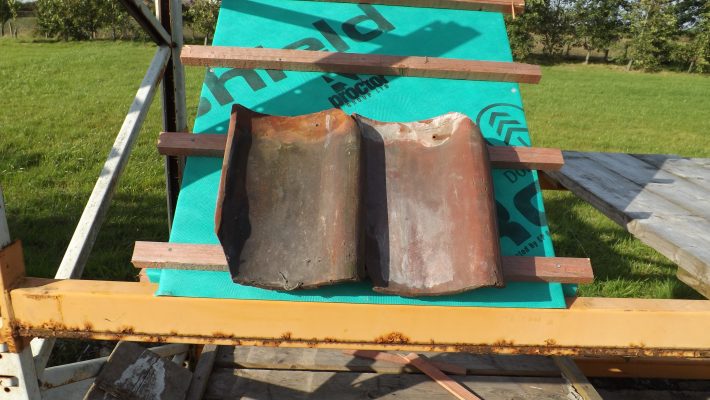
Reclaimed roof tiles can vary significantly in value depending on type, condition, quantity and demand. [...]
Jul
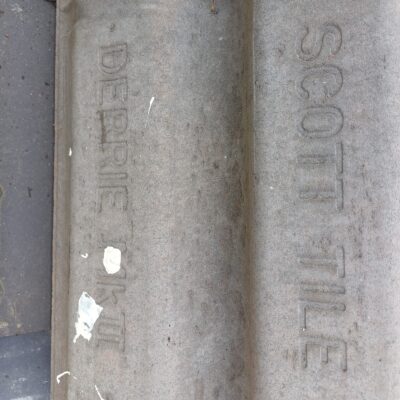
Reclaimed Roof Tiles: Where to Find Matching Roof Tiles in the UK
Finding matching roof tiles can be difficult, especially when repairing older properties. This guide explains [...]
Jun
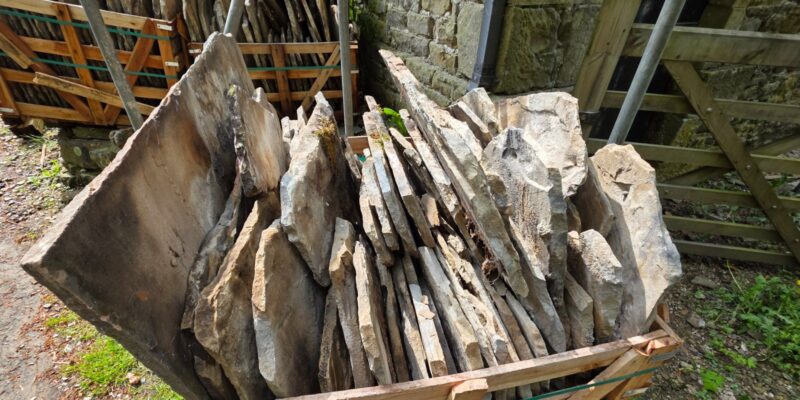
How to Sell Reclaimed Building Materials Online
Looking to sell reclaimed building materials, architectural salvage or surplus construction stock? The Reclaimed Company [...]
Jun

Reclaimed Ironmongery Guide: Hooks, Brackets, Handles & Hardware UK
Reclaimed Ironmongery: The Complete Guide to Hooks, Brackets, Handles & Hardware Reclaimed ironmongery brings together [...]
Apr
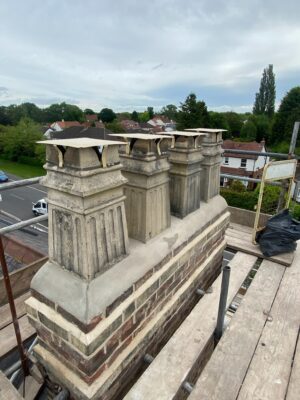
Choosing Reclaimed Chimney Pots & Terminals
Match the look and performance at the top of your stack. This guide explains how [...]
Feb
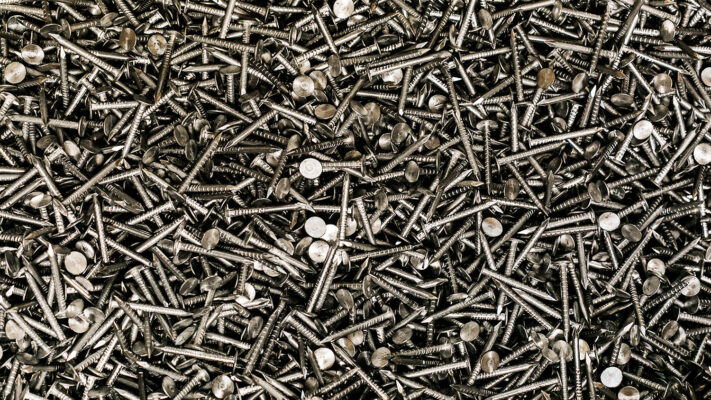
Best Fixings for Reclaimed Roof Tiles 2026
Which fasteners make reclaimed tile roofs last? This practical guide explains copper vs stainless nails, [...]
Jan
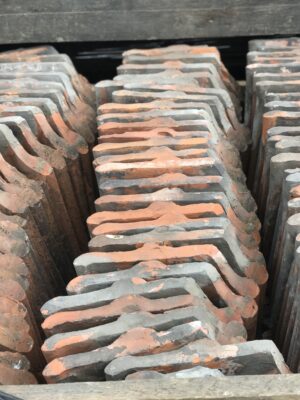
Calculate Reclaimed Roof Tile Quantities the Smart Way
Calculate Reclaimed Roof Tile Quantities the Smart Way Shortfalls burn programme time and budget. Over-ordering [...]
Dec
