

About The Reclaimed Company, informative posts
Selling Unwanted Building Materials

Sep
Love it retro, love it reclaimed…
Sell Unwanted Building Materials
Do not let surplus materials sit idle when they could be converted into cash. If you have leftover stock from a renovation, extension, strip-out or construction job, The Reclaimed Company gives you a specialist place to sell it online.
Better still, every listing supports reuse, reduces waste and helps useful materials find another home. After all, everything deserves a second chance.
A practical seller guide
Selling Unwanted Building Materials on The Reclaimed Company
Selling unwanted building materials is one of the simplest ways to recover value from a project. Surplus stock is common on site, especially when quantities change, specifications move or work finishes with usable materials left over. Instead of storing those items indefinitely, you can move them into a specialist marketplace built around reuse.
At the same time, the wider market has changed. Sustainability now matters more to homeowners, contractors, designers and self-builders alike. As a result, buyers actively look for second-hand and surplus building products that still have genuine life left in them.
This guide explains how The Reclaimed Company can help you sell unwanted building materials online, why the market keeps growing and how to improve your chances of selling quickly and well.
Simple principle: surplus materials are not dead stock when the right buyer can still use them. In many cases, they are valuable, practical and immediately saleable.
The Growing Market for Reclaimed Building Materials
Before looking at the platform itself, it helps to understand why this market is expanding. More people now want sustainable construction choices. Equally, more buyers want to control costs without compromising usefulness or character. That combination has made reclaimed and surplus building materials far more attractive than they once were.
- Environmental impact: construction creates enormous waste, so every material reused helps reduce landfill and avoids unnecessary manufacturing.
- Cost savings: buyers often secure strong value, while sellers recover money from stock that would otherwise sit idle.
- Unique materials: salvaged timber, old bricks, vintage fittings and reclaimed architectural pieces often offer character new products cannot match.
- Circular economy value: resale keeps materials in circulation and turns one person’s surplus into another person’s solution.
Consequently, the demand is no longer niche. It now spans homeowners, restorers, trade buyers, landscapers, designers and reclamation businesses.

Surplus stock quickly becomes valuable again when it is photographed well, described clearly and placed in front of buyers who are already looking for reclaimed materials.
Why The Reclaimed Company is the Ideal Marketplace
General marketplaces can work, but they often force reclaimed materials into categories that do not really fit. By contrast, The Reclaimed Company is built specifically around salvage, second-hand goods, reclamation and reuse. That focus gives sellers a stronger audience and gives buyers a more relevant search environment.
In addition, the platform supports a wide spread of product types. That makes it useful whether you are selling one batch of leftover materials or opening up a much broader stockholding to the market.
What Types of Building Materials Can You Sell?
The range is broader than many sellers first assume. If the material is usable, honest and relevant to construction, renovation, landscaping or interior reuse, it may well have a buyer.
Lumber and timber
Reclaimed timber, leftover boards, structural pieces and decorative wood products often perform strongly, especially when dimensions are clear.
Bricks, stone and masonry
Old bricks, pavers, coping stones, kerbs and reclaimed stone products can suit restoration, landscaping and new design-led work.
Windows and doors
Both vintage and later joinery can attract buyers, especially when sizes, condition and glazing details are well described.
Tiles and flooring
Roof tiles, wall tiles, floor tiles, parquet and leftover flooring packs often sell well when quantities are easy to understand.
Hardware and fixtures
Handles, sinks, taps, lighting, ironmongery and joinery fittings can all appeal, particularly when they have quality or period character.
Roofing, insulation and appliances
Surplus roofing materials, unopened insulation and functional building-related appliances can all be valuable to the right buyer.
Good rule: if the material is reusable, relevant and accurately represented, it has a realistic chance of selling on a platform like this.
Turn leftover stock into working capital
Whether you are a contractor, homeowner, DIY seller or reclamation business, listing surplus materials is a straightforward way to recover value while supporting reuse.
How to Sell Unwanted Building Materials on The Reclaimed Company
1. Create an Account
Start by setting up a seller account. The process is straightforward and gives you access to the tools needed to build listings, manage enquiries and control your stock.
2. Prepare Your Materials for Sale
Next, get the materials ready. Clean off loose debris, group similar items together and make sure you understand what you are selling. That step alone improves the quality of the eventual listing.
3. Create a Detailed Listing
Clear descriptions matter. Explain the material type, dimensions, quantity, age, condition and any standout features. At the same time, be honest about wear, irregularity or limitations. Accurate listings build trust and reduce time wasted later.
4. Set a Realistic Price
Look at comparable items and price competitively. In some cases, aesthetic or historic value justifies a stronger figure. In others, speed of sale matters more. A sensible price usually outperforms an ambitious one.
5. Manage the Listing Actively
Once the listing is live, monitor interest, reply promptly and refine the description or pricing if needed. The stronger the engagement, the more likely you are to convert an enquiry into a sale.

The best listings combine practical detail with good presentation. Clear images and honest descriptions make buyers more confident and shorten the sales cycle.
Tips for Selling Faster and More Effectively
Even on a specialist platform, some listings perform better than others. Usually, the difference comes down to clarity, presentation and realism.
- Highlight unique features: provenance, age, rarity or visual character can make a listing stand out.
- Bundle where it helps: grouped lots often appeal to buyers trying to complete a project efficiently.
- Use good images: sharp, well-lit photos help buyers assess value quickly.
- Write usable descriptions: dimensions, quantities and condition should be easy to find and easy to trust.
- Stay competitive: a fair price gets more attention than a hopeful one.
Above all, remember that buyers are not only comparing price. They are also comparing confidence. If your listing feels complete, buyers will usually respond more positively.
Why Selling Surplus Building Materials Makes Sense
Selling unused materials is not simply a tidy-up exercise. It can improve project efficiency, release space and support a more sustainable way of working. Just as importantly, it can help offset overspend elsewhere in the build.
For homeowners, that might mean recovering part of a renovation budget. For contractors, it can mean reducing waste and improving returns on ordered stock. For reclamation yards, it means extending reach beyond local footfall and into a wider market of motivated buyers.
As the reuse economy grows, more people will expect practical routes for buying and selling surplus materials. The Reclaimed Company is well placed to serve that need because it is built around exactly that kind of stock.
Where This Fits in the Wider TRC Ecosystem
The marketplace works especially well when seen as part of the wider TRC ecosystem. The shop, the blog content and the broader salvage positioning all support visibility, trust and relevance. In effect, sellers do not just gain a listing page. They gain a place inside a more focused environment for reclamation and second-life products.
That makes a difference because buyers searching for building materials, salvage and reclaimed goods often want more than a basic transaction. They also want context, confidence and a platform that actually understands the category.

From single-job leftovers to full reclamation yard stock, specialist presentation helps the right buyers find the right materials faster.
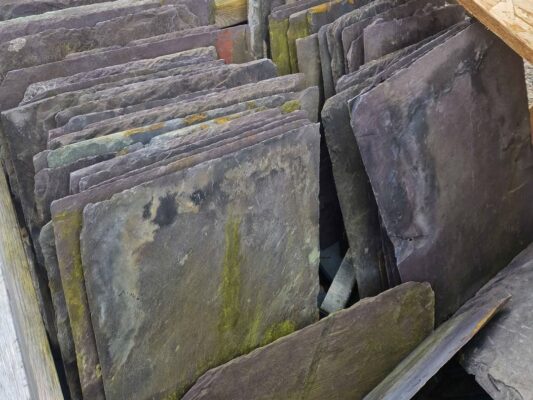
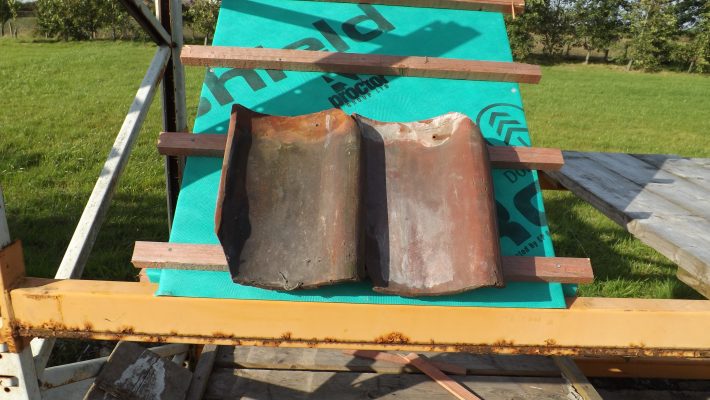
How Much Are Reclaimed Roof Tiles Worth?
Reclaimed roof tiles can vary significantly in value depending on type, condition, quantity and demand. [...]
Jul
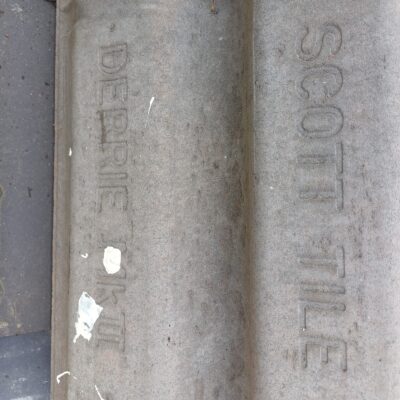
Reclaimed Roof Tiles: Where to Find Matching Roof Tiles in the UK
Finding matching roof tiles can be difficult, especially when repairing older properties. This guide explains [...]
Jun
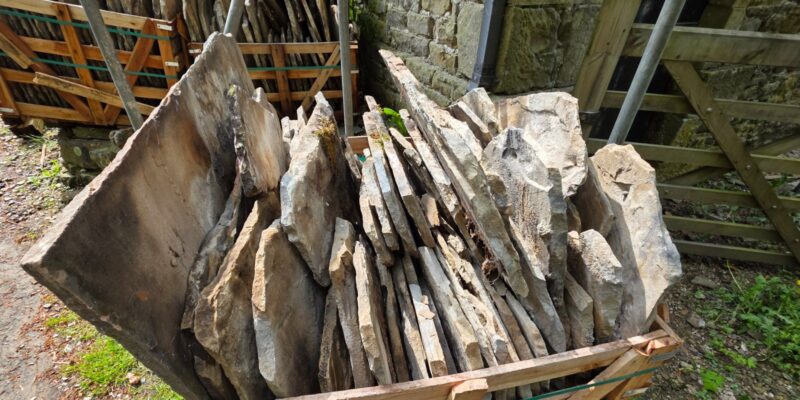
How to Sell Reclaimed Building Materials Online
Looking to sell reclaimed building materials, architectural salvage or surplus construction stock? The Reclaimed Company [...]
Jun

Reclaimed Ironmongery Guide: Hooks, Brackets, Handles & Hardware UK
Reclaimed Ironmongery: The Complete Guide to Hooks, Brackets, Handles & Hardware Reclaimed ironmongery brings together [...]
Apr
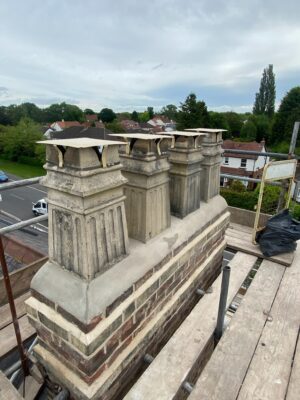
Choosing Reclaimed Chimney Pots & Terminals
Match the look and performance at the top of your stack. This guide explains how [...]
Feb
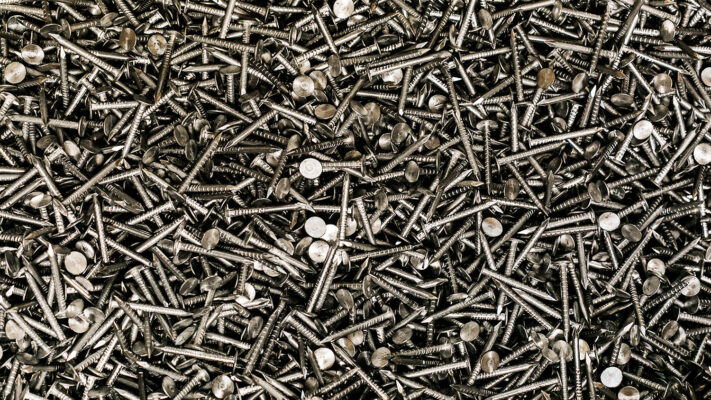
Best Fixings for Reclaimed Roof Tiles 2026
Which fasteners make reclaimed tile roofs last? This practical guide explains copper vs stainless nails, [...]
Jan
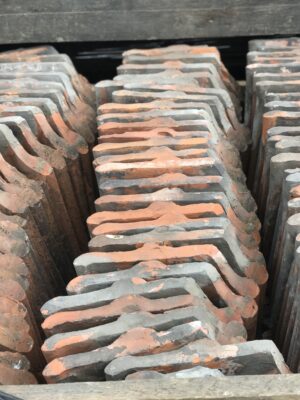
Calculate Reclaimed Roof Tile Quantities the Smart Way
Calculate Reclaimed Roof Tile Quantities the Smart Way Shortfalls burn programme time and budget. Over-ordering [...]
Dec
