informative posts, Reclaimed Roof Tiles
William Blyth Barco Pantiles

Apr
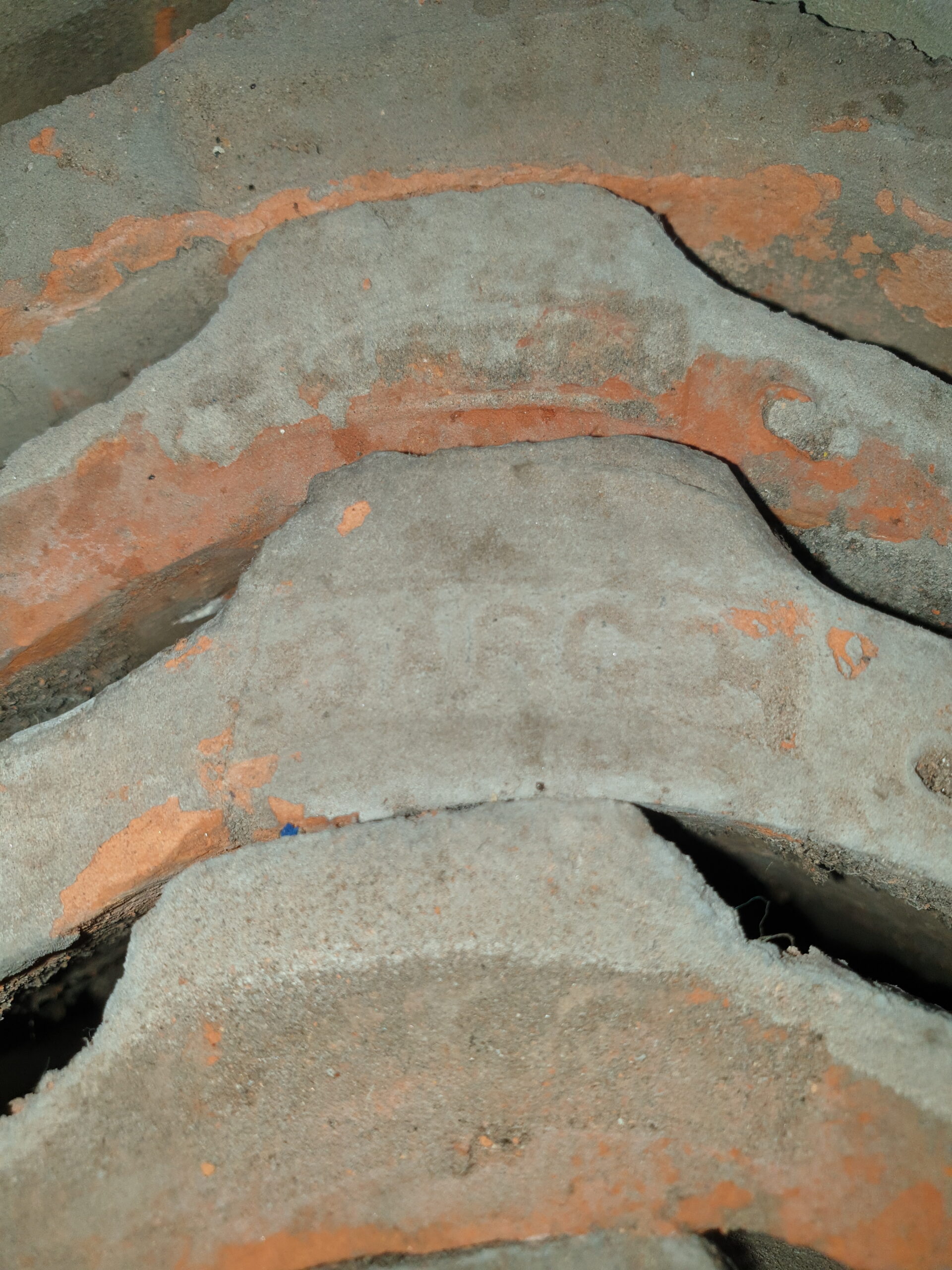
Reclaimed William Blyth Barco roof tiles
The Enduring Legacy of Reclaimed William Blyth Barco Roof Tiles
Why salvaged Barco tiles from The Reclaimed Company® remain such a strong choice for restoration, repair and period-style extension work.
When authenticity matters, the roof cannot be treated as an afterthought. Reclaimed William Blyth Barco pantiles offer the kind of visual continuity, material quality and regional character that many heritage-led projects require.
Why Reclaimed Barco Tiles Still Matter
When restoring a period property, matching the roof covering properly is often one of the most important decisions in the whole project. Rooflines define character. They shape the way a building sits in its landscape, and they often determine whether a repair or extension feels visually natural or obviously new.
That is exactly why reclaimed William Blyth Barco roof tiles remain so relevant. They combine strong heritage credentials with practical durability, and they bring with them the kind of weathered appearance that modern alternatives often struggle to imitate convincingly.
In simple terms: reclaimed Barco tiles help period buildings keep their architectural integrity while still providing a practical roofing solution for ongoing use.
A well-known heritage tile
A Brief History of William Blyth and the Barco Pantile
William Blyth Ltd is one of the best-known traditional clay tile names in British roofing. The company’s roots run back into the nineteenth century in Barton-upon-Humber, Lincolnshire, where access to quality alluvial clay helped support a long-standing tilemaking tradition.
The Barco pantile, associated with nearby Barrow-upon-Humber, became one of the firm’s most recognisable roofing products. Its single-lap S-shaped profile gave roofs a gently undulating rhythm that became especially familiar across Lincolnshire, Yorkshire and parts of the East Midlands.
Over time, those tiles earned a reputation not only for appearance, but also for regional fit. Even now, reclaimed William Blyth Barco pantiles remain highly sought after where a roof needs to feel rooted in local building tradition rather than simply finished with a generic modern substitute.

Good reclaimed Barco pantiles carry the weathered tone and visual depth that make them especially effective on restoration and matching work.
Where Reclaimed William Blyth Barco Pantiles Work Best
Reclaimed Barco pantiles are particularly well suited to projects where architectural continuity matters just as much as weather protection. That makes them especially useful in locations and building types where traditional pantiled roofs form part of the local visual language.
- Listed and conservation-area properties
- Barn conversions and agricultural building restorations
- Period-style extensions on older homes
- Traditional rural buildings across Northern and Eastern England
The natural patina of reclaimed Barco tiles helps them sit comfortably beside aged brick, stone and mature roofscapes. As a result, repaired or extended areas can blend in far more convincingly than they would with newly manufactured pantiles that still look too crisp or uniform.
Technical Specifications of Reclaimed Barco Pantiles
Although reclaimed products naturally vary slightly from batch to batch, reclaimed William Blyth Barco pantiles generally share a recognisable set of technical characteristics. These are part of what makes them so useful for roofing repairs, roof matching and traditional re-roofing work.
Because reclaimed materials can vary, quality sorting remains essential. Sound reclaimed Barco tiles should be checked carefully so that cracked, excessively warped or otherwise unusable pieces do not end up on the roof.
Restoration works best when the materials already belong to the building type
That is one reason reclaimed William Blyth Barco tiles continue to carry so much value. They do not just cover a roof. They help a building keep its original voice.
Why Choose Reclaimed Barco Tiles from The Reclaimed Company®
The Reclaimed Company® has built a strong reputation around premium salvaged roofing materials, and reclaimed William Blyth Barco tiles fit naturally within that specialist offer. For buyers, the value lies not just in the product itself, but also in the way the stock is handled and prepared.
Authenticity
These tiles bring genuine age, regional character and visual continuity, which can be especially important on listed or conservation-sensitive projects.
Sustainability
Reusing sound clay pantiles keeps valuable materials in circulation and reduces the environmental cost associated with manufacturing from scratch.
Value
Compared with newly produced heritage-style pantiles, reclaimed stock can offer a more cost-effective route, especially where matching and realism matter.
Equally important, reclaimed Barco stock can often help with patch matching, repair work and sympathetic extensions. That practical advantage is often what makes reclaimed stock so useful in the real world.
Good reclamation is not just about age. It is about usability. Properly sorted and graded reclaimed Barco tiles give buyers a stronger balance of heritage character and roofing practicality.

Pantiled roofscapes rely on rhythm, tone and continuity. Reclaimed Barco tiles help maintain that balance far more convincingly than many new alternatives.
Installation Notes for Reclaimed Barco Pantiles
Reclaimed pantiles reward careful installation. Because batches can include minor variation in size, weathering and manufacturing tolerance, the roofer should check gauge, batten spacing and pitch suitability before work begins in earnest.
That extra attention is not a drawback. It is simply part of working properly with heritage-compatible materials. Skilled roofers who understand traditional clay tile roofs will already expect this process and will usually be comfortable adjusting their approach to suit the stock.
For many restoration projects, that care is exactly what makes the final result look right. A reclaimed roof should not feel mechanically repetitive. It should feel settled, balanced and appropriate to the building beneath it.
Why Early Sourcing Matters
Unlike mass-produced modern roof coverings, reclaimed materials are always limited by what has been salvaged, sorted and made available. Therefore, if you know your project will depend on reclaimed William Blyth Barco tiles, it makes sense to secure stock as early as possible.
That is particularly true on larger jobs, conservation-led works and projects where colour tone or batch continuity will matter across a broad roof slope. Early sourcing gives you more flexibility and reduces the risk of trying to match a roof too late in the programme.
Related Roofscape Character and Visual Context
Barco pantiles sit within a broader family of traditional roof coverings that shape the character of northern and eastern English buildings. That means they often work especially well where the surrounding roofscape already includes handmade clay products, aged ridge lines and weather-softened masonry.