Uncategorized
Reclamation Yards UK | The Ultimate Guide

May
Reclamation Yards UK | Buy, sell, reclaim
Sending waste to landfill is scarring our planet, at The Reclaimed Company, we believe the “everything deserves a second chance.”
If an item can be re used, it will have a value which may only be realised when it finds a new owner.
So, if you have something that you no longer need or want, find it a new home at The Reclaimed Company.

old Collection


The Number of Reclamation Yards UK
Reclamation yards UK, also known as salvage yards or architectural salvage yards, are specialized facilities that deal in the recovery, refurbishment, and resale of building materials, fixtures, and fittings. These establishments play a crucial role in promoting sustainability by extending the life cycle of building materials, thus reducing waste and the demand for new resources. In the UK, reclamation yards have a rich history and a robust presence, reflecting both the country’s industrial heritage and a growing contemporary interest in sustainability and vintage aesthetics.
Historical Context of Reclamation Yards UK
The concept of reclamation yards in the UK can be traced back to the 19th century, coinciding with the Industrial Revolution. As cities expanded rapidly and buildings were frequently demolished to make way for new constructions, a market emerged for salvaging and reusing architectural elements. Initially, this practice was driven by economic necessity, as materials were often scarce and expensive. Over time, reclamation yards evolved from informal, ad-hoc operations to established businesses specializing in particular types of materials, such as bricks, timber, stone, ironwork, and decorative items.
The Rise of Reclamation Yards in the Modern Era
In recent decades, there has been a notable increase in the number and popularity of reclamation yards in the UK. This growth can be attributed to several factors:
- Environmental Awareness: Growing concerns about environmental sustainability and the impact of construction waste have led to a greater emphasis on recycling and reusing materials. Reclamation yards provide an eco-friendly alternative to new materials, helping to reduce landfill waste and conserve natural resources.
- Architectural Heritage: The UK has a rich architectural heritage, and there is a strong market for reclaimed materials that reflect the historical and aesthetic values of different periods. Homeowners, builders, and architects often seek out reclaimed items to preserve the authenticity and character of period properties.
- DIY Culture and Interior Design Trends: The rise of DIY culture and trends in interior design have also boosted the demand for reclaimed materials. Vintage and industrial styles, which often incorporate reclaimed wood, metal, and other materials, have become increasingly popular. This has led to a surge in consumers seeking unique, high-quality items with a story.
- Economic Factors: Reclaimed materials can often be more cost-effective than new ones, particularly for high-quality, durable items such as hardwood flooring or stone paving. This economic incentive drives both consumers and professionals to reclamation yards.
Distribution and Number of Reclamation Yards
Estimating the exact number of reclamation yards in the UK is challenging due to the diversity of these businesses, which range from small, family-run operations to large, commercial enterprises. However, industry estimates suggest there are hundreds of reclamation yards scattered across the country. The distribution of these yards tends to reflect historical industrial centers, areas with a high concentration of period properties, and regions with active preservation communities.
- London and the South East: Given the high density of historic buildings and affluent homeowners interested in period restoration, London and the South East have a significant number of reclamation yards. These include well-known establishments like Lassco in Bermondsey and Stoke Newington, and Architectural Salvage Source in Surrey.
- The Midlands and the North: Industrial heritage is strong in the Midlands and the North of England, areas that saw extensive construction during the Industrial Revolution. Consequently, these regions have a wealth of reclamation yards such as Cawarden Brick & Tile Company in Staffordshire and Ribble Reclamation in Lancashire.
- Scotland and Wales: Both Scotland and Wales have their share of reclamation yards, reflecting the local architectural traditions and a commitment to preserving historical integrity. Notable examples include Glasgow Architectural Salvage in Scotland and Tudor Reclamation in Wales.
- Rural Areas: Many reclamation yards are located in rural areas, where there is ample space for storing large quantities of materials and where lower property costs make it viable to maintain extensive yards.
Key Players and Their Impact
Several reclamation yards in the UK stand out due to their size, inventory, and influence within the industry. These key players often set the standard for quality and service, attracting a diverse clientele ranging from private homeowners to large-scale developers.
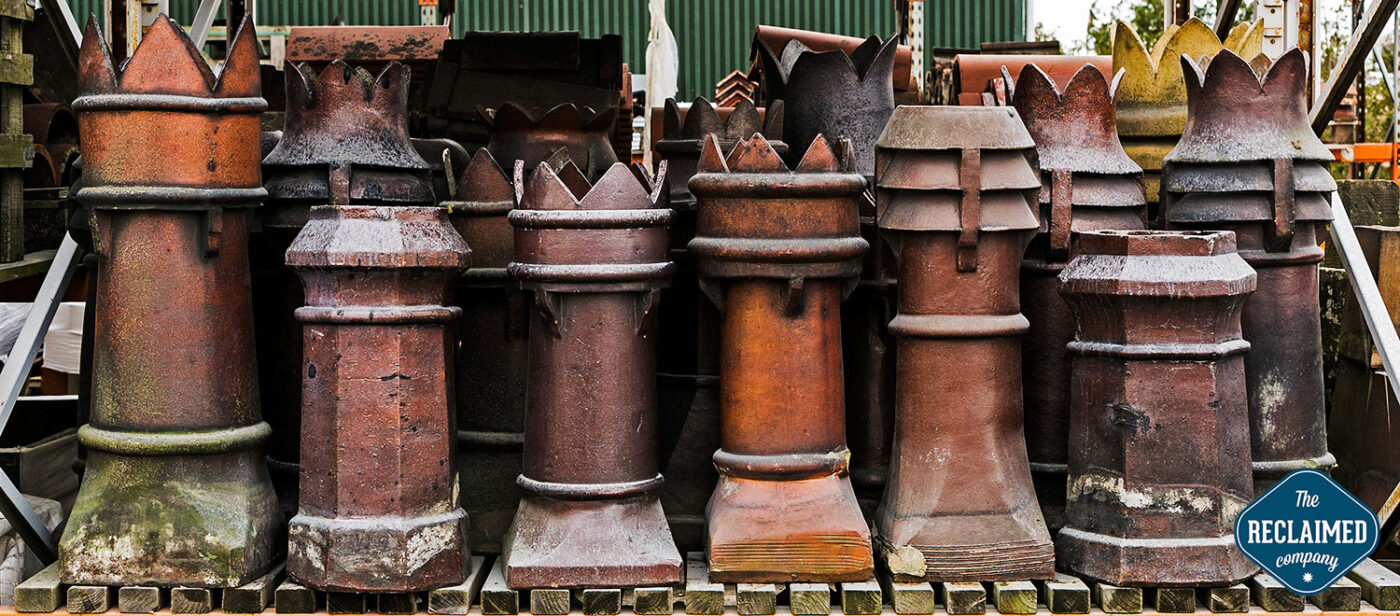
- The Reclaimed Company, established in 2008, The Reclaimed Company are one of Yorkshires largest Reclamation Yards. With a specialism in salvaged roofing materials, they are the go to supplier for many an artisan craftsman looking to math products for heritage roofing and construction projects. Of they don’t have it in stock, they can reach out to their vast network of dealers and contacts and will go the extra mile to source what you need.
- Lassco: Established in 1979, Lassco is one of the UK’s most prestigious architectural salvage companies, with locations in London and Oxfordshire. Lassco is known for its extensive range of reclaimed materials and period items, including flooring, fireplaces, and garden ornaments. Their commitment to quality and historical authenticity has made them a go-to source for high-end restoration projects.
- Cawarden Brick & Tile Company: Located in Staffordshire, Cawarden specializes in reclaimed bricks, tiles, and other masonry products. With over 30 years of experience, they have become one of the largest suppliers of reclaimed building materials in the UK. Their inventory includes items from various historical periods, catering to both restoration projects and new builds seeking a vintage aesthetic.
- Ribble Reclamation: Based in Lancashire, Ribble Reclamation offers a wide range of architectural salvage items, including reclaimed stone, bricks, timber, and ironwork. Their extensive yard and showroom attract customers from across the UK, and their knowledgeable staff provide valuable advice on selecting and using reclaimed materials.
- Wells Reclamation: Situated in Somerset, Wells Reclamation is known for its eclectic mix of reclaimed building materials, garden ornaments, and antique furniture. They have been in business for over 30 years and are a popular destination for both trade customers and the general public.
The Economic and Environmental Benefits
The reclamation yard industry in the UK provides significant economic and environmental benefits. By promoting the reuse of building materials, these businesses help to reduce the demand for new resources, which in turn lowers the environmental impact of construction. The use of reclaimed materials also reduces the amount of waste sent to landfills, contributing to a more sustainable waste management system.
Economically, reclamation yards support local businesses and craftsmen who specialize in restoring and repurposing salvaged items. This creates jobs and stimulates economic activity within the community. Additionally, the availability of cost-effective reclaimed materials can make renovation projects more affordable for homeowners and developers, further boosting the economy.
Challenges Facing the Industry
Despite their many benefits, reclamation yards face several challenges that can impact their operations and growth:
- Supply and Demand: The availability of high-quality reclaimed materials can be inconsistent, depending on demolition activities and the market demand for specific items. This can make it difficult for reclamation yards to maintain a steady inventory.
- Regulatory Issues: Building regulations and planning policies can sometimes pose challenges for the use of reclaimed materials. Ensuring that salvaged items meet modern safety and performance standards requires careful sourcing and testing, which can be time-consuming and costly.
- Competition from New Materials: Advances in the production of new building materials, including sustainable options, can create competition for reclamation yards. While reclaimed materials offer unique aesthetic and historical value, new materials can sometimes be more readily available and easier to work with.
- Awareness and Perception: While environmental awareness is growing, there is still a need to educate the public and industry professionals about the benefits of using reclaimed materials. Overcoming perceptions that salvaged items are inferior or difficult to work with is an ongoing challenge.
The Future of Reclamation Yards in the UK
The future of reclamation yards in the UK looks promising, with several trends likely to drive growth and innovation in the industry:
- Sustainability Initiatives: As sustainability becomes an increasingly important consideration in construction and renovation, the demand for reclaimed materials is expected to rise. Government policies and incentives promoting green building practices will likely support this trend.
- Digital Platforms: The adoption of digital platforms and online marketplaces can help reclamation yards reach a wider audience and streamline their operations. By showcasing their inventory online, businesses can attract customers from across the UK and beyond, facilitating easier browsing and purchasing.
- Collaboration with Designers and Architects: Increased collaboration with designers, architects, and developers can help integrate reclaimed materials into mainstream construction projects. By demonstrating the practical and aesthetic benefits of using salvaged items, these professionals can help drive wider acceptance and use.
- Innovation in Restoration Techniques: Advances in restoration and refurbishment techniques can enhance the appeal of reclaimed materials. Improved methods for cleaning, repairing, and adapting salvaged items will make them more attractive and easier to use in contemporary projects.
- Community Engagement: Reclamation yards can benefit from stronger community engagement, promoting local heritage and sustainability. Events, workshops, and partnerships with educational institutions can raise awareness and foster a culture of reuse and preservation.
Conclusion
Reclamation yards are a vital part of the UK’s architectural and environmental landscape. By providing a source of high-quality, historically significant materials, these businesses support sustainable building practices and help preserve the country’s rich architectural heritage. While they face challenges, the future looks bright for reclamation yards as awareness of sustainability grows and new opportunities for innovation and collaboration emerge. As the UK continues to prioritize green building and heritage conservation, reclamation yards will remain a crucial resource for builders, designers, and homeowners alike.