

informative posts, Upcycling Ideas
Reclaimed Wood | A Comprehensive Guide
May
Reclaimed timber
Reclaimed Wood with Character
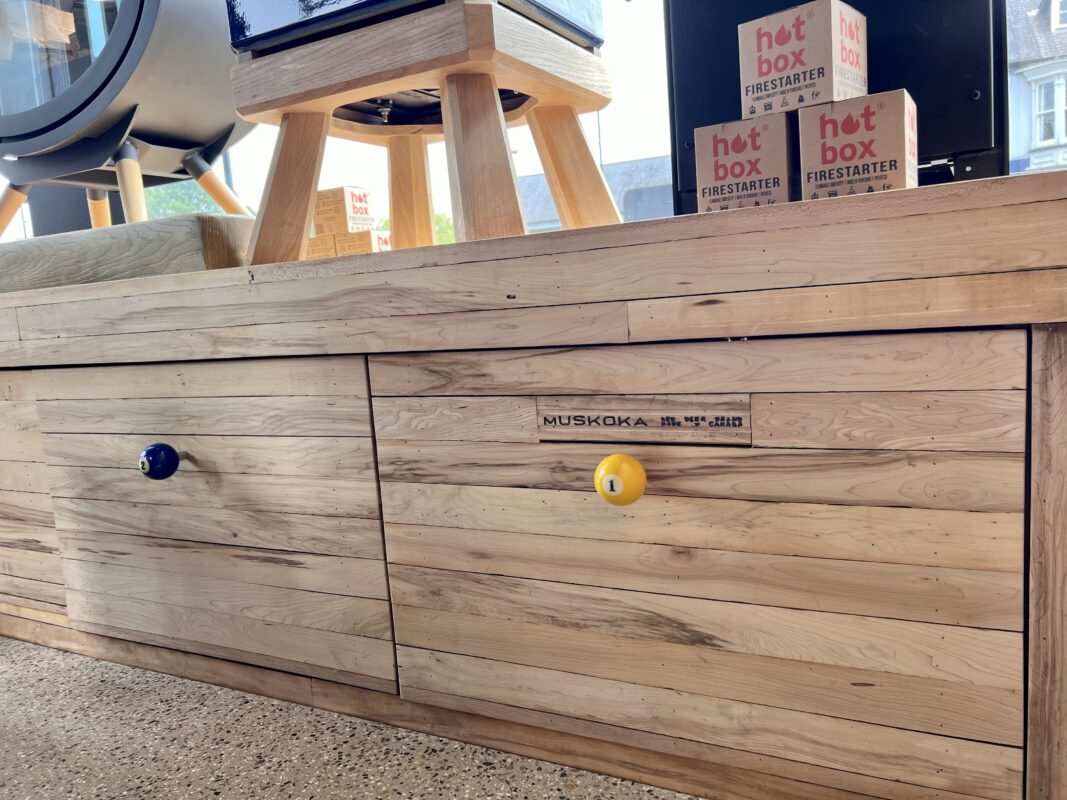
Reclaimed wood brings age, texture, durability and genuine story into a project. Whether you are sourcing salvaged timber, scaffold boards or more specialist reclaimed sections, older wood often offers a depth of character that new timber simply cannot match.
The Reclaimed Company continues to champion reclaimed timber as a practical, attractive and sustainable choice for interiors, gardens, furniture-making and restoration-led work.


Reclaimed Wood: A Comprehensive Guide
Reclaimed wood is timber that has been recovered from older structures and brought back into use. It may come from barns, factories, warehouses, houses, docks, industrial buildings or agricultural structures. Because it has already served a purpose over many years, it usually arrives with a look and feel that new wood cannot imitate honestly.
For some buyers, the appeal is visual. For others, it is environmental. In reality, reclaimed wood tends to sit at the point where sustainability, craftsmanship and aesthetics meet.
Why people choose reclaimed wood: it looks better with age, often performs exceptionally well, and allows useful timber to remain in circulation rather than becoming waste.
Origins and History of Reclaimed Timber
Reclaimed wood comes from a wide variety of sources, and each source tends to leave its own mark on the material. Nail holes, saw marks, weathering, paint traces, bolt fixings and historic wear all contribute to the final appearance.
Early reuse and necessity
Historically, timber was simply too valuable to waste. Builders reused sound wood out of practicality, not fashion. Old beams, planks and boards often moved from one building life to another.
Industrial-era stock
The Industrial Revolution increased the volume of timber used in factories, warehouses, docks and transport infrastructure. As those buildings changed or disappeared, large amounts of reusable timber entered the reclamation stream.
Modern reclaimed timber demand
Today, reclaimed wood is popular because it combines sustainability with a finish that feels authentic. Designers, makers, homeowners and builders often prefer it precisely because it does not look factory-fresh.
Benefits of Salvaged Wood Products
Environmental value
Reclaimed timber reduces pressure on new forestry resources, cuts waste and lowers the carbon cost associated with fresh manufacturing and transport.
Unique appearance
Ageing, grain, marks, colour shifts and historic wear create an individuality that new timber generally lacks.
Strength and stability
Many reclaimed timbers come from older, slower-grown stock and have already seasoned over decades of service.
That combination explains why reclaimed timber works equally well in rustic, industrial, contemporary and heritage-led settings.
Sourcing Reclaimed Wood
Sourcing reclaimed wood is about more than simply finding old timber. You also need to understand condition, provenance, dimensions and suitability for the intended use.
Common sources include old buildings, agricultural structures, industrial sites, urban demolition work and specialist reclamation yards. Increasingly, online platforms also play a major role by connecting sellers with a wider audience of buyers.
The Reclaimed Company helps make that process easier by providing a platform for sourcing and listing reclaimed materials, including salvaged timber products.
Good reclaimed timber sourcing depends on more than appearance alone. Condition, size, stability and history all matter.
Where reclaimed wood is commonly found
- Old houses, barns and warehouses
- Industrial buildings and mills
- Railway infrastructure and sleepers
- Docks, wharves and bridges
- Specialist reclamation yards
- Online marketplaces for second-hand and salvaged stock
Practical point: always assess structural soundness, moisture condition, dimensions and contaminants before committing reclaimed timber to a project.
Types of Reclaimed or Salvaged Wood
Not all reclaimed timber looks or behaves the same. Source, age and original use all affect the final product.
Barn wood
Typically weathered and rich in rustic texture, barn wood works particularly well for walling, furniture and decorative interiors.
Factory and warehouse wood
Often found in larger sections, this stock may include substantial beams and planks with a more industrial visual quality.
Railway sleepers
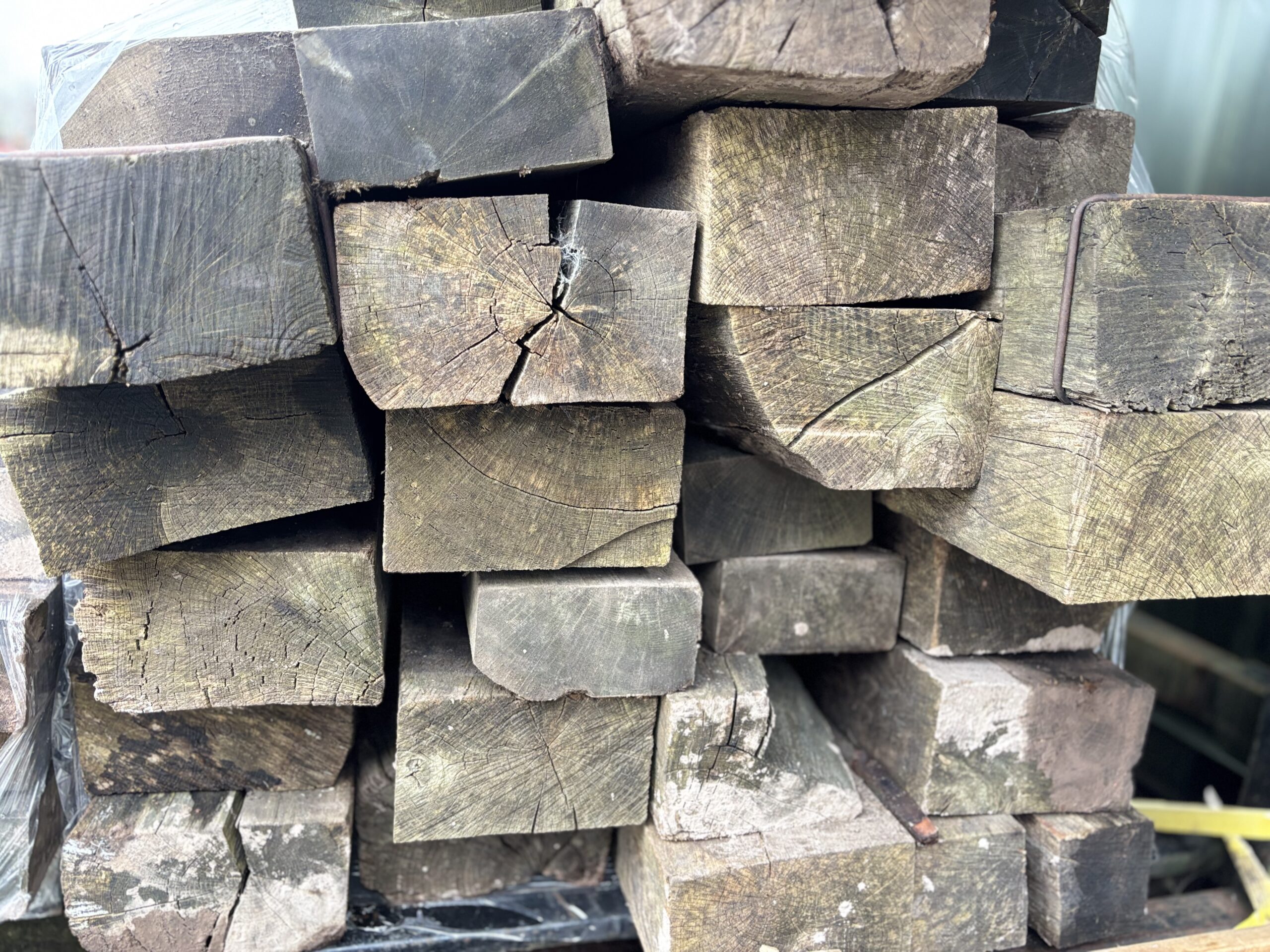
Dense and robust, sleepers are popular for landscaping, garden structures and heavy-duty exterior work. You can explore reclaimed sleepers directly through The Reclaimed Company.
Pallet wood
Lighter and usually more informal in use, pallet wood often suits small projects, upcycling work and creative internal applications.
Urban and structural timber
Recovered from older urban buildings, these timbers can carry strong visual character and often suit custom joinery, shelving, furniture and feature applications.
Preparing Reclaimed Wood for Reuse
Before reclaimed timber goes into a project, it usually needs sensible preparation. That does not always mean stripping away every sign of age. In many cases, the goal is to retain character while making the wood safe and practical to use.
- Inspect it carefully: check for rot, instability, insect damage and major structural defects.
- Remove debris: nails, screws, old fixings and embedded fragments must come out before machining or reuse.
- Clean appropriately: some timber needs only a light clean, while other stock may need deeper preparation.
- Dry and stabilise: moisture balance matters if the timber is going indoors or into joinery work.
- Finish to suit the project: oil, wax, varnish or sealing systems can all help depending on the intended use.
Good reclaimed timber preparation is really about balance. You want to preserve the charm while ensuring the material performs well in its new setting.
Uses of Salvaged Wood
Reclaimed wood is one of the most versatile materials in the salvage market. It works across furniture, interiors, gardens and structural detailing.
Furniture
Dining tables, coffee tables, benches, desks, shelving and storage pieces all benefit from the visual depth of older timber.
Interior finishes
Wall cladding, stair features, mantels, shelving and decorative panelling can all gain warmth and character from salvaged wood.
Outdoor projects
Planters, decking details, benches, edging, sleepers and landscape structures remain among the most popular reclaimed timber uses.
If you want to take reclaimed wood into furniture-making or more bespoke projects, it also pairs well with the site’s range of ironmongery, including table legs, brackets and related fittings.
Caring for Reclaimed Timber Products
Once installed or crafted into a finished piece, reclaimed wood benefits from sensible maintenance. The exact care routine depends on whether it is indoors or outdoors and whether it carries a raw, oiled, waxed or sealed finish.
- Clean gently: avoid harsh products that strip the finish or dry the surface excessively.
- Protect from extremes: large swings in moisture or direct exposure can stress timber over time.
- Maintain the finish: reapply oils, waxes or protective finishes where needed.
- Inspect periodically: catch movement, damage or weathering before it becomes more serious.
Handled well, reclaimed wood can continue to perform beautifully for many more years, which is one of the strongest arguments in its favour.
Reclaimed wood tends to hold its own visually because the surface tells a story. Grain, age, weathering and marks all contribute to that effect.
Final Thoughts
Reclaimed wood is far more than a substitute for new timber. It is a material with history, substance and strong visual presence. It offers a route into more sustainable making and building, but it also gives designers, homeowners and makers something equally important: character that feels genuine.
Whether you are sourcing structural sections, salvaged boards, scaffold planks, reclaimed sleepers or feature timber for furniture, the appeal remains the same. Good reclaimed wood carries warmth, depth and a sense of permanence that new stock rarely delivers in the same way.
The Reclaimed Company continues to provide a practical route into that world, whether you are buying reclaimed timber products or listing your own surplus material for sale.
