

informative posts
Architectural Salvage Yard | Find your nearest

Oct
Architectural salvage guide
A Guide to Architectural Salvage Yards
Architectural salvage yards do far more than store old materials. They preserve character, support reuse, reduce waste and give builders, designers and homeowners access to items that modern manufacturing often cannot replicate.
As interest in sustainability grows, and as the cost of new materials continues to rise, salvage and reuse are becoming a stronger choice for more buyers. That shift makes architectural salvage yards increasingly important, both commercially and environmentally.
Salvage Online
A passion for reclamation, reuse, salvage and a healthy distaste for waste sits at the heart of this market. The better the online visibility, the easier it becomes for quality materials to stay in circulation.
Add Your Architectural Salvage Yard
For salvage businesses, a strong online presence is no longer optional. Buyers now expect to search digitally before they travel, and they increasingly want to compare yards, stock types and specialisms before making contact.
What Architectural Salvage Yards Sell and Why They Matter
Architectural salvage yards are treasure troves for people interested in reclaiming and reusing materials that carry either historical importance, aesthetic appeal or practical value. They act as both preservation sites and trading spaces for materials removed from buildings during demolition, alteration or renovation.
With greater awareness of sustainability and construction waste, these yards now play a far more important role in the wider building economy. On one hand, they preserve valuable materials. On the other, they give buyers a route into stock that is often more distinctive than anything available off the shelf.
This guide looks at what you can expect to find in an architectural salvage yard, how salvaged items can be used in new projects, and why these yards remain critical to recycling, reuse and long-term resource efficiency.
Importantly, salvage and reuse continue to gain momentum because they answer several problems at once. They reduce waste, support better design, and often provide a more affordable route into high-quality materials.
What Is an Architectural Salvage Yard?
An architectural salvage yard is a specialist business that buys, sorts, stores and sells reclaimed materials removed from old buildings. Instead of sending useful items to landfill, salvage yards recover them and make them available for reuse.
That process matters because many older components still have decades of life left in them. It also matters because the materials themselves often show better workmanship, stronger raw material quality or more character than modern equivalents.
As a result, salvage yards attract architects, contractors, interior designers, heritage specialists and homeowners who want sustainable, distinctive and often historically appropriate building materials.
What You Can Find in an Architectural Salvage Yard
Architectural salvage yards carry a surprisingly broad range of items. Some are structural. Some are decorative. Others fall somewhere in between and can be adapted for both practical and aesthetic use.

A good salvage yard combines practical building stock with distinctive decorative pieces, which is one reason buyers return again and again.
1. Doors
- Types: antique wooden doors, French doors, solid timber internal doors and older entrance doors.
- Uses: perfect for restoration work, character-led renovations or repurposing into furniture and feature panels.
2. Windows
- Types: sash windows, casements, stained glass and period frames.
- Uses: especially useful when restoring older properties or introducing heritage character into newer spaces.
3. Flooring
- Types: reclaimed hardwood, parquet, stone flags, tiles and old bricks.
- Uses: ideal for both interior and exterior applications where texture, age and authenticity matter.
4. Architectural Elements
- Examples: mantels, cornices, columns, corbels, mouldings and wrought iron details.
- Uses: often used to add period detail or stronger visual identity to a project.
5. Lighting
- Types: vintage chandeliers, factory lights, lanterns and wall sconces.
- Uses: useful in both traditional interiors and more industrial design schemes.
6. Hardware
- Examples: hinges, latches, hooks, handles, locks and window furniture.
- Uses: often chosen where modern hardware feels too generic or lacks the right detail.
7. Furniture and Fittings
- Examples: cabinets, basins, bathtubs and even vintage stoves.
- Uses: great for character-led interiors and projects that value originality.
8. Structural Elements
- Examples: beams, bricks, stone, roofing tiles and reclaimed metals.
- Uses: frequently repurposed in both building work and landscape design, especially where authentic aged materials improve the finish.
Why salvage matters more now
As the cost of new products rises, the second-hand stage is becoming a go-to choice for more buyers. Salvage yards therefore sit at the centre of a market driven by sustainability, cost awareness and a growing appetite for unique materials.
Why Architectural Salvage Yards Are Critical to Recycling and Reuse
1. Reducing Waste
The construction industry generates vast amounts of waste. However, much of that material still has real value. By recovering and redistributing useful components, salvage yards help divert stock from landfill and extend the life of materials that would otherwise be discarded.
- Environmental impact: less landfill means lower waste burden and a better use of existing resources.
- Resource conservation: reclaiming materials reduces demand for new extraction, processing and manufacture.
2. Supporting Sustainable Construction
Reclaimed materials align naturally with sustainable building practice. They reduce embodied impact, preserve usable stock and encourage more thoughtful design decisions.
- Eco-friendly construction: reuse reduces the carbon cost attached to new materials.
- Green building value: reclaimed materials can contribute to broader sustainability objectives and more responsible specification.
3. Preserving History
Many salvaged items carry cultural and architectural value. Therefore, their reuse protects more than the material itself. It also preserves detail, craftsmanship and stories that would otherwise disappear.
- Cultural significance: salvaged materials often represent construction methods and design traditions that are hard to reproduce today.
- Authenticity in renovation: reclaimed items help owners retain the original feel and integrity of older buildings.
4. Delivering Economic Benefits
Salvage is not just environmentally sensible. It can also make strong commercial sense.
- Cost savings: many reclaimed materials cost less than high-quality new equivalents.
- Unique design value: distinctive stock often adds far more visual interest than mass-produced alternatives.
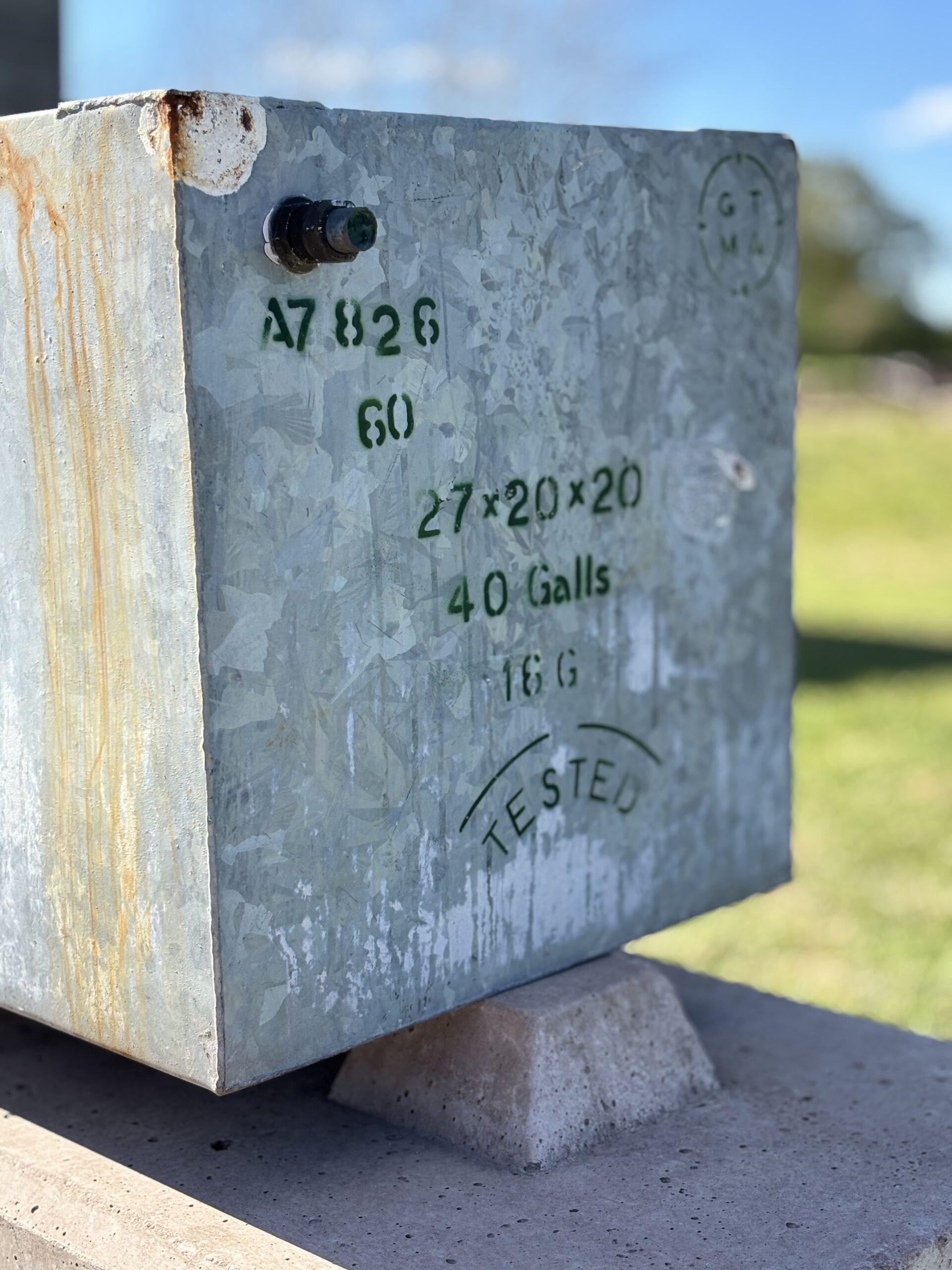
One of the strengths of a real salvage yard is range. Practical stock, decorative pieces and unusual finds often sit side by side.
How to Shop at an Architectural Salvage Yard
Shopping at a salvage yard is different from walking into a standard builders’ merchant or retail showroom. The stock is more varied, the quantities can be irregular, and the best results often come when buyers combine planning with a bit of flexibility.
- Come with a plan: know the broad type of item or material you need.
- Bring measurements: salvaged doors, windows and fittings are often non-standard.
- Inspect condition carefully: some items are ready to use, while others need restoration.
- Stay open to creativity: salvage often works best when materials are repurposed imaginatively.
- Ask about provenance: a good story can add real value and context to a piece.
A useful rule: choose local salvage yards where possible. Reducing travel distance can significantly improve the environmental case for reuse.
How The Reclaimed Company Helps Salvage Yards Sell Online
The growth of digital search means buyers increasingly begin online, even when they intend to visit a yard in person. That shift creates a strong opportunity for reclamation and salvage businesses to present their stock more effectively.
By listing on The Reclaimed Company, salvage yards can add the contents of their yard to a specialist platform built around reclamation, second-hand materials, antiques and architectural salvage. In turn, that helps buyers discover stock more easily and helps sellers reach an audience already interested in reuse.
That matters because general marketplaces rarely provide the same context. A dedicated salvage platform speaks to the right audience, supports the right categories and makes it easier for quality stock to be found rather than overlooked.
Architectural Salvage Yards and the Circular Economy
Architectural salvage yards do not simply sell old items. More importantly, they support a circular flow of materials. Instead of one-direction consumption followed by disposal, salvage encourages recovery, reuse and reinterpretation.
That approach offers clear environmental benefits, but it also changes how projects feel. Reclaimed materials introduce depth, patina and unpredictability. They make buildings and interiors more layered, more human and often more memorable.
In that sense, salvage yards are both practical and creative spaces. They support recycling, yes, but they also give designers and builders a far broader palette to work with.
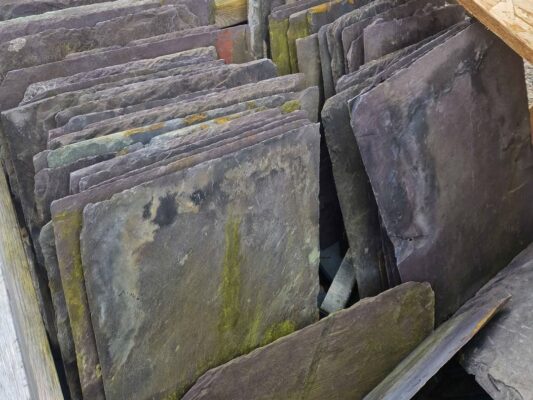
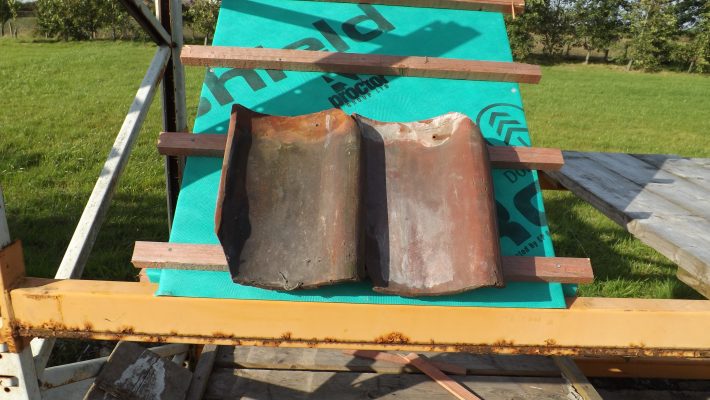
How Much Are Reclaimed Roof Tiles Worth?
Reclaimed roof tiles can vary significantly in value depending on type, condition, quantity and demand. [...]
Jul
Reclaimed Roof Tiles: Where to Find Matching Roof Tiles in the UK
Finding matching roof tiles can be difficult, especially when repairing older properties. This guide explains [...]
Jun
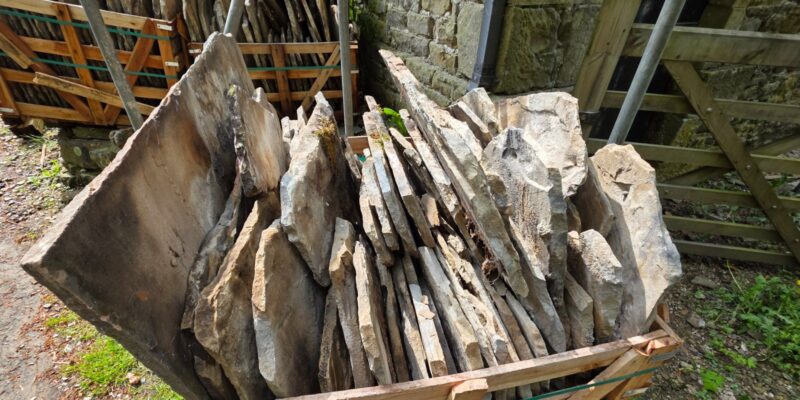
How to Sell Reclaimed Building Materials Online
Looking to sell reclaimed building materials, architectural salvage or surplus construction stock? The Reclaimed Company [...]
Jun

Reclaimed Ironmongery Guide: Hooks, Brackets, Handles & Hardware UK
Reclaimed Ironmongery: The Complete Guide to Hooks, Brackets, Handles & Hardware Reclaimed ironmongery brings together [...]
Apr
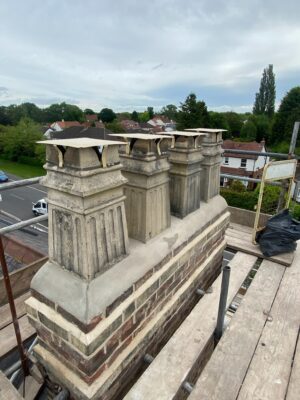
Choosing Reclaimed Chimney Pots & Terminals
Match the look and performance at the top of your stack. This guide explains how [...]
Feb
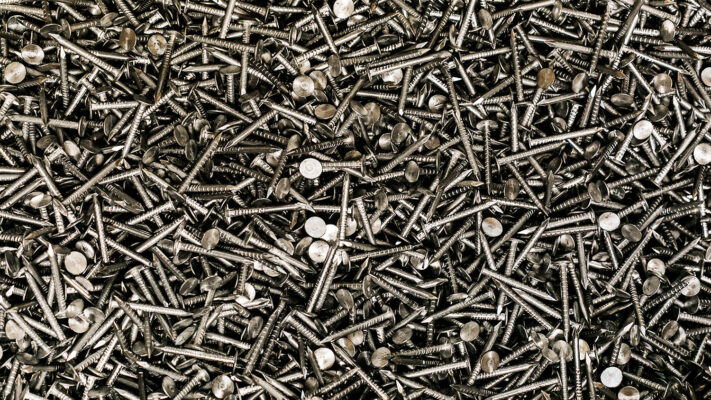
Best Fixings for Reclaimed Roof Tiles 2026
Which fasteners make reclaimed tile roofs last? This practical guide explains copper vs stainless nails, [...]
Jan
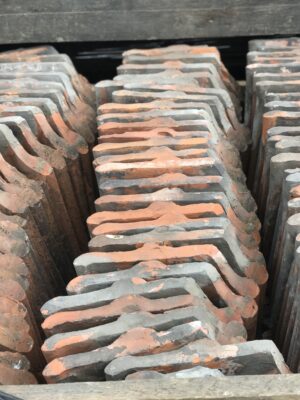
Calculate Reclaimed Roof Tile Quantities the Smart Way
Calculate Reclaimed Roof Tile Quantities the Smart Way Shortfalls burn programme time and budget. Over-ordering [...]
Dec
