

About The Reclaimed Company
Architectural Salvage UK | The Market Opportunity
Sep
Architectural salvage UK
“Everything deserves a second chance”
Architectural Salvage UK
The last decade has seen real growth across the UK architectural salvage market. The case for going greener, reusing more, recycling better, repurposing carefully and buying more cost-effectively has all helped improve the outlook for reclaimed materials and salvage yards across the country.
Market overview
The Size of the Architectural Salvage Market in the UK
The architectural salvage market in the UK has grown significantly over the past few decades. As interest in sustainability, vintage aesthetics and the unique charm of historic materials has strengthened, what was once a small specialist trade has become a far more visible and commercially relevant market.
Today, buyers are not only looking for reclaimed products because they look good. Increasingly, they are also looking for them because they make environmental, practical and financial sense. In other words, architectural salvage now sits at the point where sustainability, design and value all meet.
That is why this market continues to broaden. Homeowners want more character. Designers want more authenticity. Meanwhile, builders, developers and restorers are under growing pressure to reduce waste and think more carefully about material selection.
Architectural salvage is no longer a niche curiosity. It is increasingly part of the mainstream conversation around reuse, restoration and sustainable construction.
Understanding the Architectural Salvage Market
Architectural salvage refers to the reclaiming and repurposing of materials, fixtures and fittings from buildings that are being renovated, dismantled or demolished. These materials can range from bricks, slates, timber beams and paving to doors, windows, decorative ironwork, fireplaces, stained glass and specialist joinery.
The market is driven by both professionals and private buyers. Some are sourcing for heritage-sensitive repairs. Others are trying to create more distinctive interiors and exteriors. At the same time, a growing number of buyers are simply trying to avoid unnecessary waste by reusing what is already available.
In simple terms: architectural salvage brings together sustainability, craftsmanship, material quality and the visual depth that older products often offer more naturally than brand-new manufactured alternatives.
Reuse is moving from niche to normal
As more people look for lower-waste, better-looking and more characterful materials, architectural salvage is becoming an increasingly important part of the wider building-materials economy.
Market Size and Scope
Estimating the exact size of the architectural salvage market in the UK is difficult because it remains highly fragmented. The sector includes independent yards, specialist dealers, antique businesses, online sellers, demolition-linked salvage operators and a growing number of marketplace-based traders. Even so, it is widely accepted that the market is worth hundreds of millions of pounds annually.
That matters because it shows this is no longer a marginal sector. Instead, it is a meaningful part of the wider reclaimed materials and sustainable construction conversation. Moreover, as online visibility improves and buyers become more comfortable sourcing reused materials digitally, the accessible size of the market should continue to grow.
Importantly, the true value of the sector is likely larger than many published estimates suggest. Private sales, project-based sourcing, online marketplaces and smaller local transactions all contribute additional volume that is not always easy to quantify.
The appeal of salvage now stretches well beyond traditional reclamation yards, with more buyers actively seeking reclaimed stock online and in person.
Growth Drivers
Several forces are pushing the architectural salvage market forward, and importantly they reinforce one another rather than operating in isolation.
- Sustainability and environmental pressure: reusing materials reduces waste and helps lower the environmental impact of construction and renovation.
- Historical and aesthetic value: reclaimed products often carry texture, patina and craftsmanship that are hard to replicate with new items.
- Economic benefit: in many cases, reclaimed materials offer strong value, especially where matching older construction matters.
- Heritage and planning pressures: conservation-sensitive projects often need like-for-like or visually compatible materials.
- DIY and renovation culture: social media, design-led refurbishments and a wider interest in authentic interiors have all lifted demand.
Challenges and Opportunities
Although the market is growing, it is not without its difficulties. Supply is rarely uniform. Quality stock depends on what becomes available through demolition, strip-out or yard intake. In addition, some salvaged items need cleaning, preparation, restoration or adaptation before they are ready for reuse.
However, those same constraints also create opportunity. Businesses that can sort, present, restore and market reclaimed materials well are often able to add considerable value. That is especially true where products are organised clearly, photographed properly and made available through online channels as well as yard-based sales.
Key opportunity: the more professionally the salvage market is presented, the easier it becomes for trade and retail buyers to specify reclaimed materials with confidence.
The Future of the Market
Looking ahead, the architectural salvage market in the UK is likely to keep growing. Sustainability is not going away. Heritage-led design remains strong. At the same time, rising awareness of embodied carbon and waste reduction is pushing reclaimed materials into more serious conversations around procurement and project planning.
As a result, the market’s scope should continue to widen. More consumers will treat reclaimed products as a first option rather than a last resort. Likewise, more businesses will see salvage not simply as a side-line, but as a commercially relevant and environmentally responsible part of how they operate.
In short, architectural salvage is well placed to thrive in a market that increasingly values reuse, authenticity and material intelligence.
Looking ahead
The Future of the Reclamation Market in the UK
The wider reclamation market in the UK is also poised for further growth. Environmental awareness, evolving buyer expectations and increasing scrutiny on waste in construction are all reshaping how reclaimed materials are perceived. Instead of being treated as a niche interest, reclamation is becoming a more serious part of the built-environment supply chain.
Where the Sector Is Heading
Beyond those major drivers, several practical trends will likely shape the next stage of the market’s development.
- New business models: specialist sourcing, restoration services, curated online shops and salvage-led marketplace profiles will become more common.
- Improved supply chains: stronger links between strip-out, demolition, salvage and resale will make the market more efficient.
- Economic resilience: reclaimed products often appeal strongly in cost-conscious markets because they can offer high value without the price of premium new materials.
- Professionalisation: clearer product presentation, better logistics and stronger online content will continue to make the sector easier to access.
Consequently, the reclamation market is likely to become not only bigger, but also more organised, more visible and more commercially sophisticated.
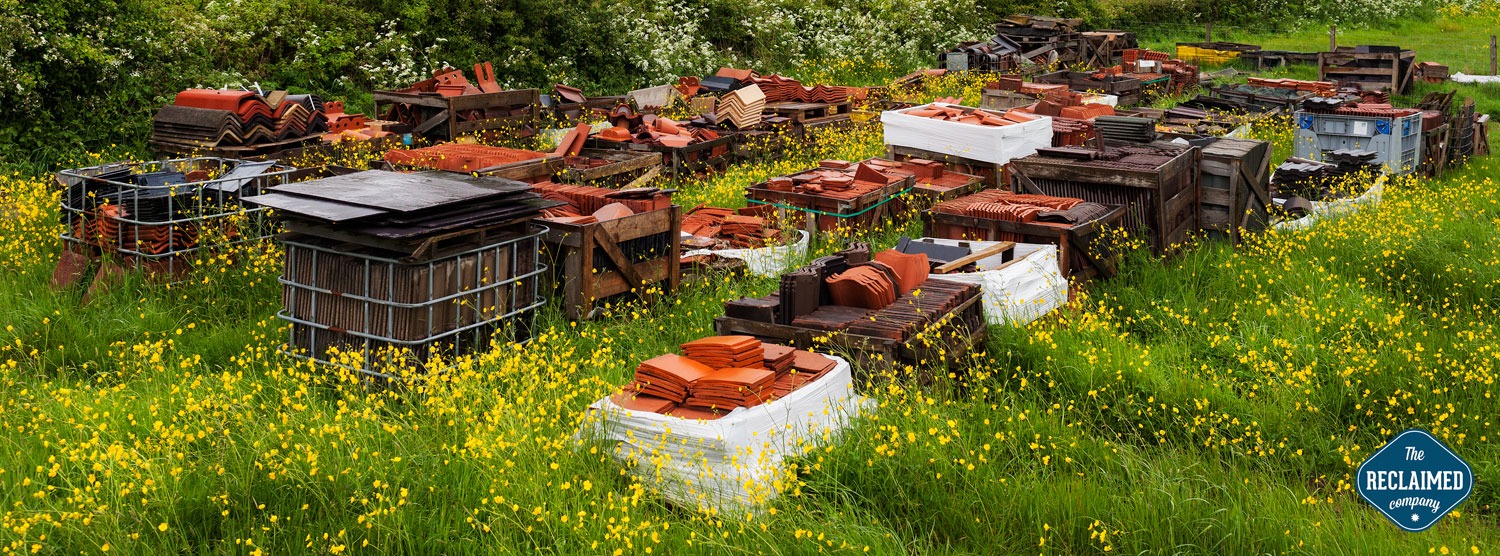
The stronger the presentation, sourcing and logistics become, the easier it is for reclaimed materials to compete with new products in mainstream buying journeys.
Conclusion
The architectural salvage market in the UK is difficult to measure precisely, yet it is clearly substantial and still growing. Its appeal rests on a powerful combination of environmental benefit, economic logic and aesthetic value. In the years ahead, those three forces are only likely to become more important.
The same is true of the wider reclamation market. As buyers, builders, designers and developers place more emphasis on reuse, reclamation will continue to move closer to the centre of the conversation. That shift brings opportunity not only for established salvage yards, but also for marketplaces, specialist traders and businesses able to present reclaimed stock in a clearer, more accessible way.
