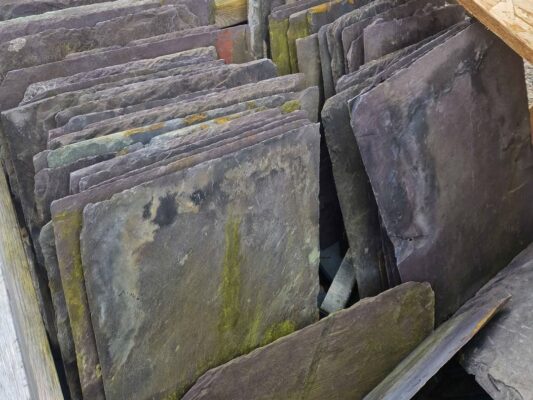
Reclaim
The process of recovering something that has been discarded.

The process of recovering something that has been discarded.
The practice of using an item or material again either for its original purpose or for a different function.
The process of converting waste materials into new usable products. The process recovers items that may have otherwise been discarded.


The word “reclaim” means to retrieve or recover something that was previously lost, taken, or discarded. It can also refer to the process of repurposing or restoring something to its original or a usable condition, such as reclaiming land, materials, or rights. Reclaim emphasises the act of taking back or restoring value to something.
shop tiles
The word “reuse” refers to the practice of using an item or material again, either for its original purpose or for a new one, without discarding it. Reuse helps reduce waste by extending the life of products and materials, conserving resources, and minimising environmental impact. It is a key principle in sustainable living and environmental conservation. “Everything deserves a second chance”
shop water tanks
The word “recycle” refers to the process of converting waste or used materials into new products, allowing them to be reused rather than discarded. Recycling helps conserve natural resources, reduce pollution, and decrease the amount of waste sent to landfills, playing a crucial role in environmental sustainability.
to the yard
The Reclaimed Company are passionate about reclamation, re use, and recycling.
A world with less waste is an essential component for the survival of our planet.
Waste comes in many forms, and often derives from the unecessary.
If we consider our basic human needs, and prioritise those versus the pursuit of luxury and convenience, we can all contrinbute to a reduction in waste.
Promoting the re use of otherwise unwnted items is our aim.
The new online marketplace from The Reclaimed Company, allows salvage yards, and purveyors of second hand goods to list their products for sale online at a marginal cost.
Unlike other online marketplaces, we strive to offer only goods that are, second hand, vintage, retro, upcycled and not newly manufactured.
List your reclamation yardIn a world increasingly focused on sustainability and environmental responsibility, three powerful words—Reclaim, Reuse, Recycle—stand out as essential principles for reducing waste, conserving resources, and protecting the planet. These concepts are not just buzzwords but practical actions that, when integrated into our everyday lives, can make a significant impact on the environment. Let’s explore the environmental benefits of each of these practices, particularly through the lens of architectural salvage and material reuse.
The act of reclaiming involves recovering and repurposing materials that would otherwise be discarded or demolished. This concept is especially important in industries like construction, manufacturing, and interior design, where materials are often removed from buildings and projects without considering their potential for reuse.
Environmental benefits of reclamation:
In short, reclamation extends the life cycle of materials and reduces the need for new production, making it a key player in the fight against resource depletion and environmental degradation.
Reusing involves taking an item and repurposing it for a new or continued use, rather than discarding it. Whether it’s through architectural salvage, upcycling old furniture, or repurposing containers, reuse is one of the most efficient ways to reduce environmental impact.
Environmental benefits of reuse:
Ultimately, reuse maximizes the value of materials already in circulation and curbs the need for new resource extraction, lessening our overall impact on the environment.
Recycling is the process of converting waste into reusable materials. It’s one of the most well-known and widely adopted environmental practices, but its importance cannot be overstated in terms of reducing the ecological impact of our consumption patterns.
Environmental benefits of recycling:
Recycling closes the loop on waste, ensuring that materials are transformed and reused rather than simply discarded, which benefits both the environment and the economy.
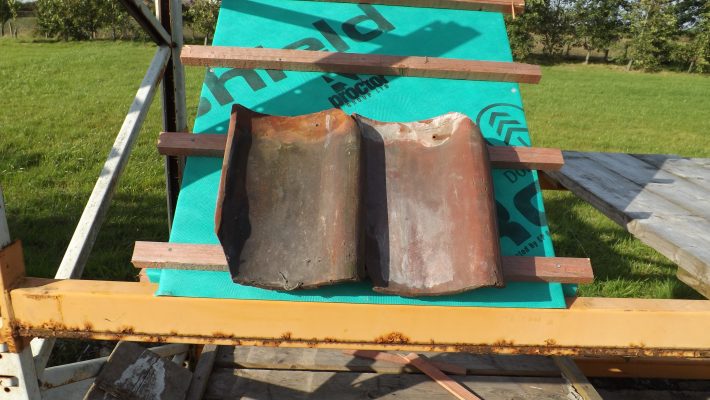
Reclaimed roof tiles can vary significantly in value depending on type, condition, quantity and demand. [...]
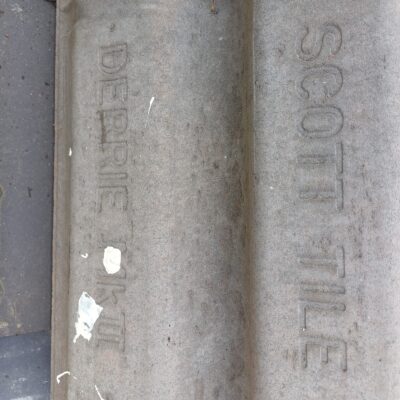
Finding matching roof tiles can be difficult, especially when repairing older properties. This guide explains [...]
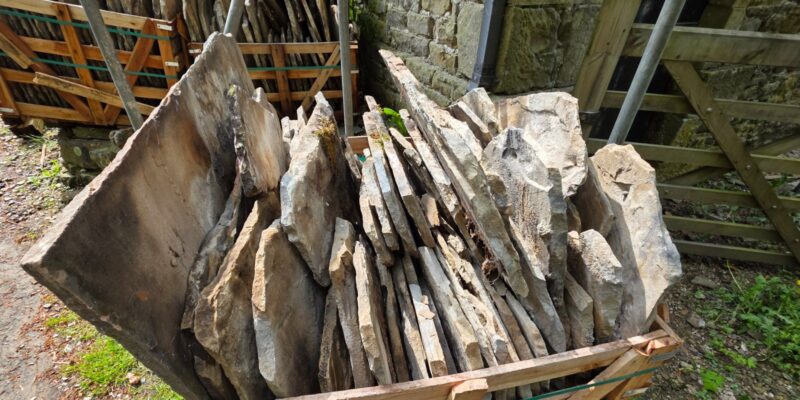
Looking to sell reclaimed building materials, architectural salvage or surplus construction stock? The Reclaimed Company [...]

Reclaimed Ironmongery: The Complete Guide to Hooks, Brackets, Handles & Hardware Reclaimed ironmongery brings together [...]

Match the look and performance at the top of your stack. This guide explains how [...]
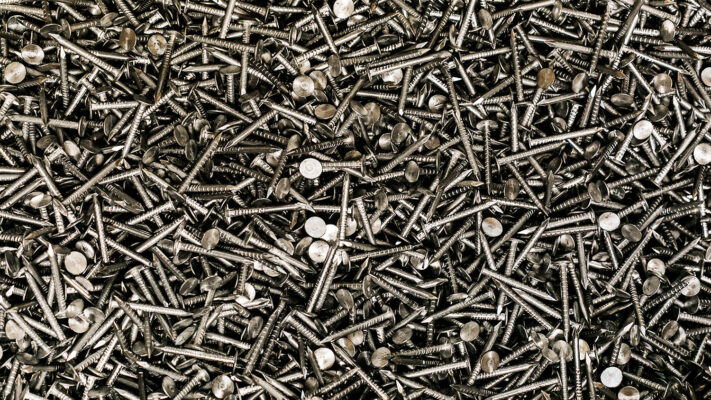
Which fasteners make reclaimed tile roofs last? This practical guide explains copper vs stainless nails, [...]
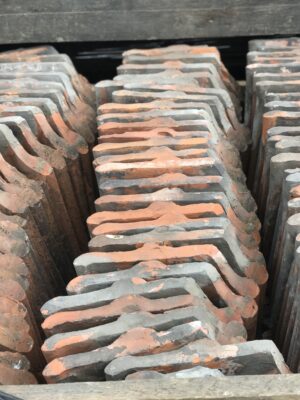
Calculate Reclaimed Roof Tile Quantities the Smart Way Shortfalls burn programme time and budget. Over-ordering [...]