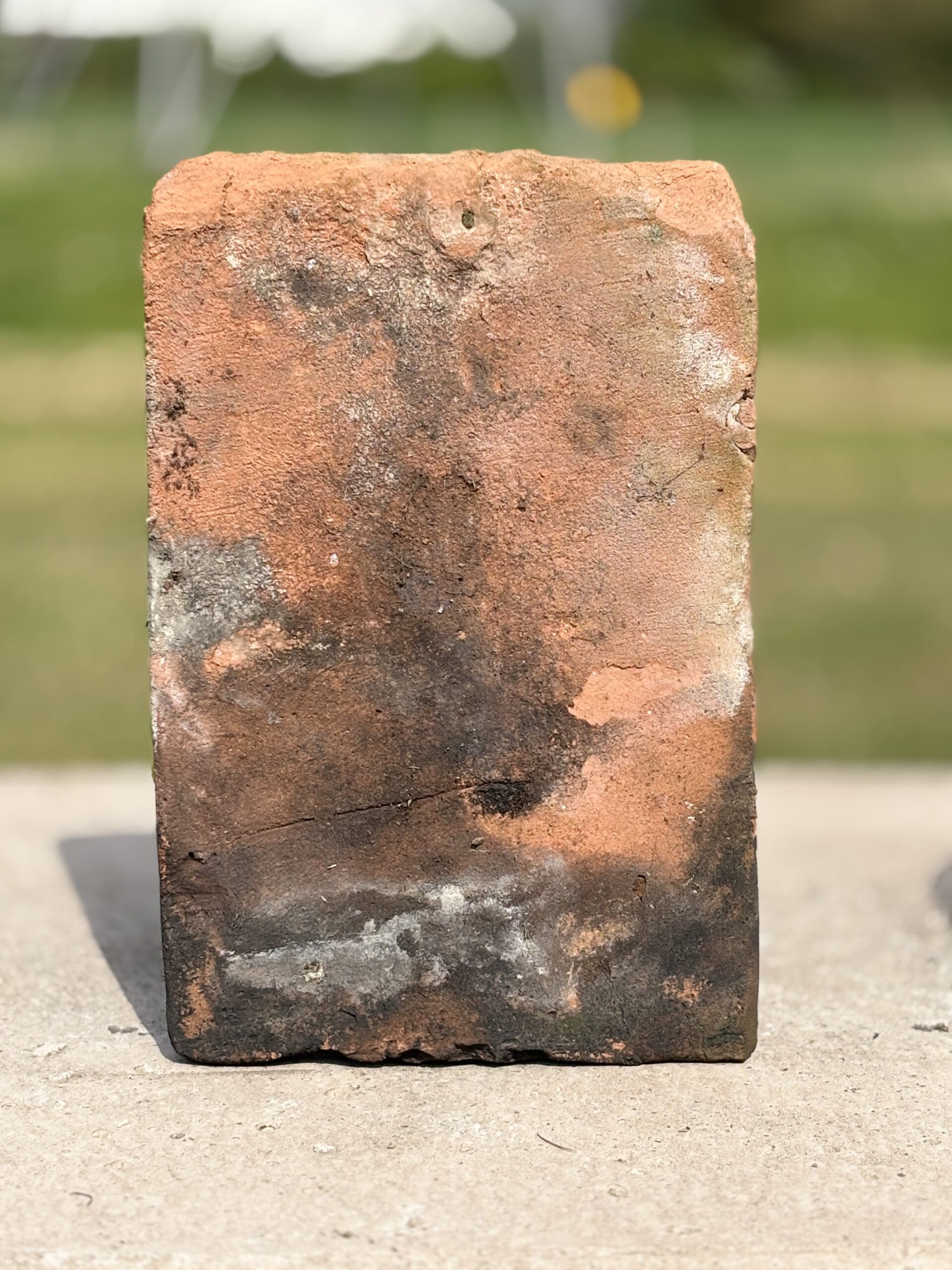
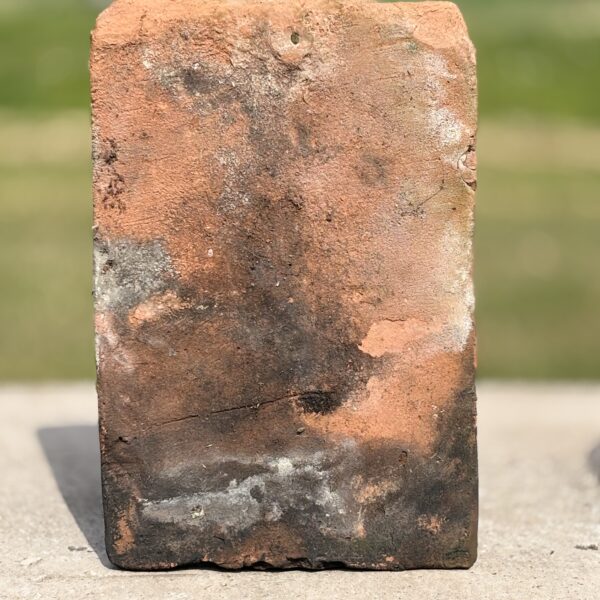
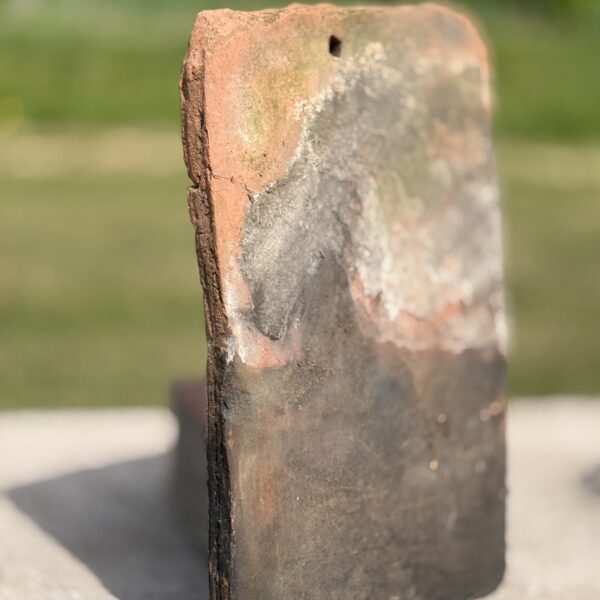
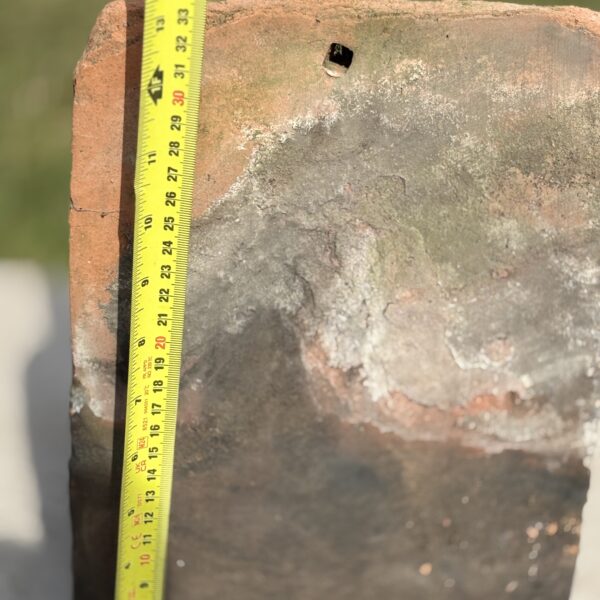
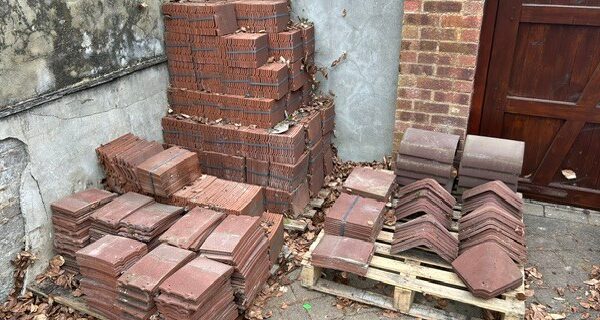
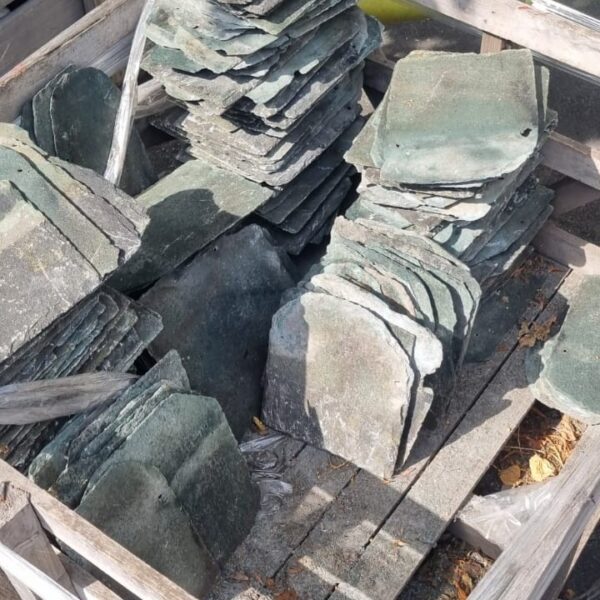
Medieval Reclaimed Clay Peg Tile – 215mm x 335mm x 20mm
Authentic Heritage Roofing with Over 500 Years of History
Alternative names are an Old Roman roof tiles, or a Roman Peg Tile.
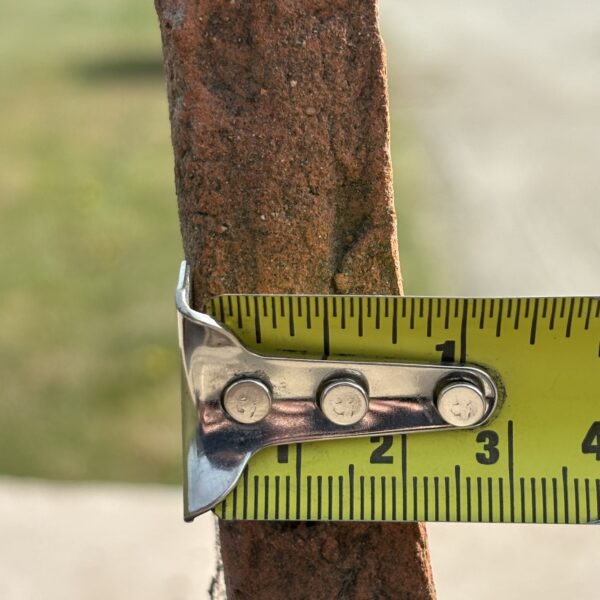
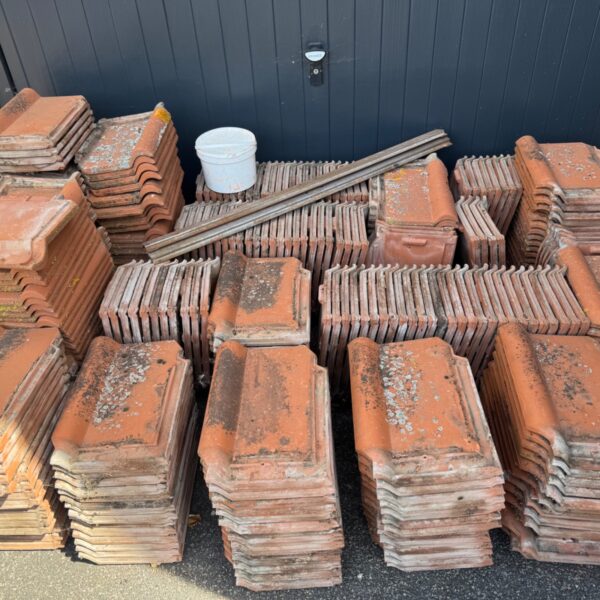
Add genuine historical character to your restoration project with this Medieval Reclaimed Clay Peg Tile, dating back several centuries. Measuring approximately 215mm wide x 335mm tall x 20mm thick, this hand-formed tile is a rare example of early English roofing craftsmanship. Its weathered surface, natural clay patina, and historic wear marks tell the story of a roof that has withstood generations.
Each tile features a hand-punched peg hole, traditionally used to secure the tile onto wooden battens with oak pegs or nails. The uneven texture and subtle color variations — from sunbaked terracotta to soot-darkened edges — are hallmarks of wood-fired kiln production, typical of medieval tileworks.
🔍 Features:
-
Type: Authentic Medieval reclaimed peg tile
-
Dimensions: Approx. 215mm (W) x 335mm (H) x 20mm (T)
-
Material: Hand-formed natural clay
-
Fixing: Single peg hole, traditionally used with Oak Tile Pegs.
-
Color: Aged red/orange with natural carbon staining and lichen growth
-
Condition: Structurally sound, historically worn – cleaned and sorted by hand
-
Use: Ideal for heritage roofing, conservation areas, ecclesiastical buildings, and period restorations
These tiles are perfect for listed buildings, English Heritage projects, or any architectural scheme requiring authentic materials. No two pieces are alike — each tile is a piece of English history, salvaged and preserved for reuse.
Outline: Medieval Reclaimed Clay Peg Tiles – History & Heritage Use
🏛️ Historical Background
-
Origins: Clay peg tiles date back to the 13th century in England, becoming widespread by the 14th and 15th centuries as a fire-safe roofing alternative to thatch.
-
Manufacture: Made by hand using locally sourced clay, these tiles were shaped in wooden molds and fired in wood-fueled kilns. Peg holes were often individually punched before firing.
-
Roofing Technique: Fixed to timber laths using wooden or iron pegs, allowing overlapping coverage with steep pitches ideal for drainage.
-
Regional Significance: Widely used across England in ecclesiastical, civic, and domestic buildings — particularly in historic cities like York, where clay deposits were abundant and tile kilns flourished.
🏗️ Use in Historic Restoration
-
Conservation-grade: Essential for projects governed by heritage or listed-building regulations, where authentic materials must be used.
-
Matching Patina and Dimensions: Reclaimed tiles match the original in texture, aging, and dimensions — making them perfect for patch repairs, re-roofing, or extensions.
-
Durability: Despite their age, quality medieval peg tiles are still structurally sound and capable of lasting many more decades when installed correctly.
🏰 Referenced Restoration Use – City of York Bar Walls
-
The York Bar Walls, including historic turrets and gatehouses such as Bootham Bar, Micklegate Bar, and Monk Bar, have seen peg tile restoration over the years using reclaimed materials.
-
These defensive structures date to the 14th century and still feature original clay-tiled turret roofs, many of which have been repaired or supplemented with reclaimed peg tiles to preserve historical accuracy.
-
Similar materials are used in surrounding buildings of the York Minster precinct, showcasing the enduring importance of reclaimed peg tiles in high-profile heritage sites.
🧱 Ideal Applications
-
Churches, abbeys, and cathedrals
-
Gatehouses, turrets, and fortified structures
-
Timber-framed medieval houses and barns
-
Scheduled monuments and conservation area buildings
Note: Due to the handmade nature and historic age of these tiles, slight dimensional variations and irregularities are to be expected — contributing to their unique aesthetic.
Stock is limited and sold on a first-come, first-served basis. Contact The Reclaimed Company® today for pricing, availability, and sample requests.
Find More Reclaimed Plain Tiles online here.